MarineTraffic Reveals: How We're Seeing the Hidden Crash in the Strait of Hormuz
I logged into MarineTraffic last night, something I do as often as other people check their weather app. But what I saw made me raise my eyebrows. Off the Strait of Hormuz, the lines of tankers had grown into a stationary band of steel. The satellite images don't lie: the world's most important oil artery has clogged, and we're already seeing the consequences in prices at the gas pump here in Canada.
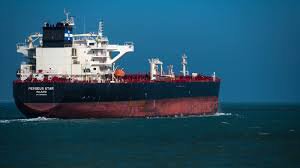
Why the Strait of Hormuz is the World's Chokepoint
It's no secret that tensions between the US, Israel, and Iran have reached a boiling point this week. But when I talk to colleagues in the shipping industry, nobody's talking about politics – everyone's eyes are glued to MarineTraffic. We're watching Iranian patrol boats play a cat-and-mouse game with supertankers, seeing insurance premiums skyrocket, and noticing shipping lines are starting to get cold feet. This isn't about a few thousand barrels a day; this is about 20% of the world's oil that has to pass through this narrow strait.
My old professor at Memorial University used to say: "If you want to understand the global economy, follow a shipping container." These days, I'd rather follow a VLCC (Very Large Crude Carrier) on MarineTraffic. That's where you see the real story. Crude oil prices are bouncing like a yo-yo, and anyone in trading knows this isn't speculation right now – it's pure panic. Iran has threatened to close the strait before, but this time it feels different. We're actually seeing several vessels change their AIS status to "not under command" or drop anchor right in the middle of the shipping lane. That's a classic sign: nobody's willing to go in.
What MarineTraffic is Revealing Right Now
I've been digging into the platform's data over the past few days, and here are four things everyone should take note of:
- Oil Tankers on Hold: At least 15 vessels carrying over 20 million barrels of oil are sitting idle off the coast of Fujairah. They're simply too nervous to proceed.
- LNG Ships Being Rerouted: Several gas carriers that would normally head for Europe via the Suez Canal have turned south – opting instead for the long haul around Africa. It costs time and money.
- Iran Flagging Its Own Vessels: Through MarineTraffic, you can see how Iranian Revolutionary Guard vessels are moving close to commercial ships. It's outright harassment, and it's visible in the position data.
- US Navy Making Its Presence Felt: The USS Eisenhower and some destroyers are positioned right at the entrance. It's a clear signal, but so far, it hasn't gotten traffic moving.
This isn't just trivia for shipping geeks. Every stationary vessel means delayed deliveries of everything from electronics to cooking oil. And for us in Canada, a nation built on trade, this is a major warning sign. Just look at what it means for the price of a new car – or your next smartphone.
How You Can Use MarineTraffic to Gauge the Situation Yourself
You don't need to be an analyst to make sense of this info. Open up MarineTraffic, zoom in on the Strait of Hormuz, and check the vessels' statuses. See a lot marked as "anchored" or "under way using engine" at slow speed? Then you know there's a backlog. For me, this has become a daily ritual: before I buy anything sensitive to shipping costs – yeah, even before I fill up my tank – I check the situation in the Strait of Hormuz. It's an easier way to figure out where inflation is headed than reading the Bank of Canada's meeting minutes.
And don't forget to watch MarineTraffic in combination with the news feed. When you see clashes escalating north of Dubai and simultaneously watch tanker after tanker grinding to a halt, you realize this isn't just a temporary disruption. It's a structural shift in trade routes. Several major shipping lines have already started calculating alternative routes, and you'll see that reflected in store prices within a few weeks.
I'm not saying the global economy collapses tomorrow. But we're entering a period where transparency is power. And right now, MarineTraffic is the closest thing we have to an X-ray of global trade. Use it. Because the next time you're at the pump, cursing the price per litre – at least you'll know why.