Doha Under Fire: How the Iran Strike on Ras Laffan Changes Everything
If you'd told me a fortnight ago we'd be waking up to footage of the world's largest liquid natural gas hub on fire, I'd have said you were dreaming. Yet here we are. Overnight, the simmering US-Israeli stand-off with Iran took a terrifying turn right on Doha's doorstep. About 80 klicks north of the city, the Ras Laffan Industrial City—the crown jewel of Qatar's energy empire—copped a direct hit. This isn't some skirmish in a far-flung desert; this is the big smoke, and we're all feeling it.
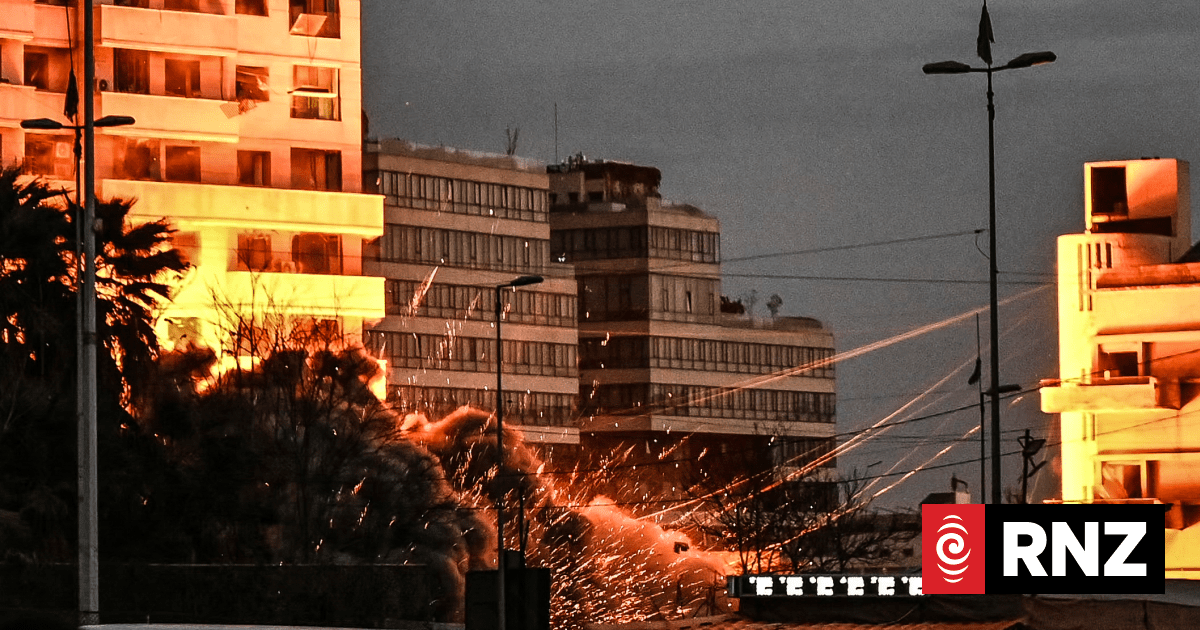
A Night of Fire in the Northern Fields
The Qatari Interior Ministry has confirmed Civil Defence crews were scrambled overnight to contain massive blazes. Word is, QatarEnergy has confirmed extensive damage but all personnel are accounted for—though the message was clear: this was a body blow to a facility that keeps the lights on across the globe. For anyone living in Doha, the thought of that smoke plume just up the coast is enough to make your blood run cold. It's our backyard. And the retaliation was swift and ugly, with the Islamic Revolutionary Guard Corps (IRGC) issuing chilling warnings for people to clear out of energy sites across the Gulf.
It wasn't just Qatar. The UAE had to activate air defences, with debris from intercepted missiles forcing the shutdown of the Habshan gas facility and sparking incidents at the Bab field. Saudi Arabia was shooting down drones over the Eastern Province. This wasn't a measured response; this was Iran making good on its promise to hit back after strikes on its own South Pars field, which it shares with Qatar. Chatter from the Gulf suggests they're calling it "True Promise-4," and it feels like the lid has officially blown off this thing.
The 'Duha' Diplomacy Implodes
You want to know how serious this is? Forget the press releases for a sec. Look at the ground. In a move that screams of old-school diplomatic niceties like "good neighbourliness" being well and truly torched, Qatar has booted out the entire Iranian military and security attaché corps. They were given 24 hours to clear out of Duha. This is unprecedented. Word from inside the Ministry was blunt and to the point—Iran had "crossed all red lines" and violated international law. This isn't just a protest; it's a severing of the last threads of trust. When you expel the entire security staff from an embassy, you're bracing for the worst.
It feels like a tragic irony, a perversion of that idea of Love from A to Z. You think you know your neighbour, you build these intricate economic and political ties over decades, and then, in one night, it's all reduced to ashes and recriminations. The calls for de-escalation from Cairo and other Arab capitals feel hollow when the fire is literally burning at one of the world's most critical energy choke points.
What This Means for the Pump and the Peace
For the average Aussie reading this from a safe distance, this is where it gets real. The immediate fallout is brutal:
- Oil prices are already spiking as markets woke up to the reality of a major supply disruption.
- Global LNG supply chains just got shredded—the broader South Pars/North Field holds staggering amounts of gas, and any sustained damage here throws a spanner in the works for the entire system.
- The politics are getting weirder by the minute. Whispers from DC suggest the administration knew nothing about the original Israeli strike on South Pars and that Qatar was caught off guard. Whether you buy that or not, the alliance is fraying.
- Heads have rolled in Tehran. Iran's Intelligence Minister Eskandar Momeni is confirmed dead, and Supreme National Security Council Secretary Ali Larijani was buried today—the thirst for revenge is raw and real.
So, where does that leave Doha? Smack bang in the crosshairs. The city has long played the role of the neutral mediator, the wealthy host. Tonight, it's a target. The matchmaking between global energy supply and demand just got a whole lot more complicated and expensive. The world's energy security just became a lot less secure, and the only certainty is that we haven't seen the last of the fire in the night sky. Keep an eye on those prices at the bowser, folks. This one's going to sting.