KOSPI Plunge and The Lead-Lag: What the Seoul Rout Teaches Us About Futures and Spot Markets
If you were watching the screens on Wednesday morning, you would have seen something that looked less like a market correction and more like a controlled demolition. The KOSPI didn't just fall; it collapsed. We are talking about a drop so severe that it tripped the circuit breakers on the KOSDAQ, with the main board shedding more than 11% at one point. For those of us who track the region, it was a jarring reminder of just how fast the tide can go out. Here in Singapore, the Straits Times Index (STI) felt the shockwaves too, sliding over 2% as regional sentiment turned sour. But if you want to understand where the real story—and the real risk—lies, you have to look past the headline index and dive into the machinery behind it: the KOSPI 200 futures.
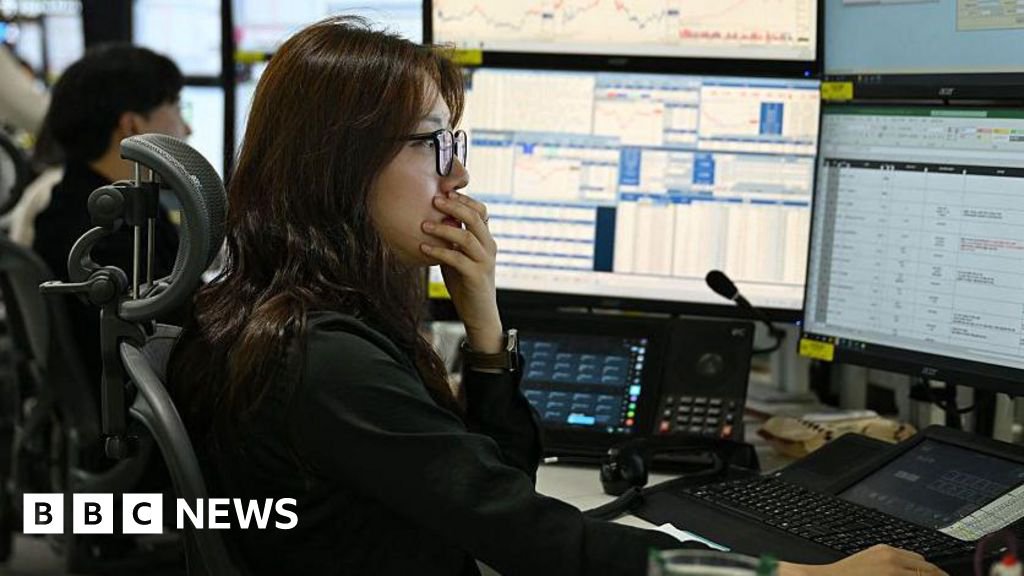
The Futures Flashed Red First
Any veteran trader will tell you that in a crisis, the futures market moves before the cash market. It is the canary in the coal mine. This week’s action in Seoul was a textbook example of the lead-lag relationship between volatility index futures and spot in the Korean stock market. Before the KOSPI spot index really started its nosedive, the KOSPI 200 futures were already getting hammered. In fact, the sell-sidecar—a mechanism that halts program trading for five minutes—was triggered immediately when KOSPI 200 futures dropped more than 5%. This isn't random noise; it’s the institutional money, the smart money, repositioning based on information that hasn't yet been fully priced into the individual stocks on the floor.
Academic types have spilled a lot of ink on this. Studies on the lead-lag relationship have long shown that while there is a two-way street, the futures market generally leads the pack, especially during times of stress. What we witnessed on March 4 was that dynamic on steroids. The futures market was screaming while the spot market was still trying to process the headlines from the Middle East. For investors sitting here in Singapore, this is the difference between watching the storm and feeling the rain. If you are only looking at the KOSPI headline number, you are getting the news last.
Why Seoul? Unpacking the Perfect Storm
So why did Seoul bear the brunt of this Asia rout? It wasn't just about geopolitics, though the escalating conflict in the Middle East—with strikes on Iran and the subsequent threats to oil infrastructure—certainly lit the fuse. South Korea is a classic energy-importing nation. When Brent crude spikes, their terms of trade take a direct hit. But the pain was amplified by the specific composition of the KOSPI.
- Samsung Electronics and SK Hynix are the heavyweights. When the U.S. chip sector got creamed overnight, the selling pressure in Seoul was automatic and brutal.
- The selling was exacerbated by the lead-lag mechanism. As futures plummeted, it triggered algorithmic selling in the underlying KOSPI 200 stocks, creating a feedback loop that drove the index down faster than fundamentals alone would justify.
- The won collapsed to a 17-year low against the dollar, adding another layer of pain for foreign investors looking at their returns in USD terms.
It’s a brutal cocktail: geopolitical risk, sector-specific exposure, and the mechanical reality of how futures and spot markets interact.
Reading the Tape: What Happens in the First 40 Minutes
For the quants and the prop traders, the first hour of trading on a day like Wednesday is where fortunes are made and lost. Research into intraday data suggests that the lead-lag relationship is not just a vague concept; it has a specific temporal footprint. Studies on KOSPI 200 futures and its underlying index show that the futures market can lead the cash market by as much as 30 to 40 minutes. That is an eternity in high-frequency trading.
What does that mean in plain English? It means that for nearly three-quarters of an hour on Wednesday morning, the futures market was pricing in a reality that the spot market had not yet fully accepted. This dislocation creates arbitrage opportunities, but more importantly, it serves as a leading indicator. When we analyse the lead-lag relationship between volatility index futures and spot in the Korean stock market, we see that the volatility signal in the futures market tends to Granger-cause movements in the spot market. In layman's terms, the fear in the futures market predicts the moves in the main index.
The Singapore Takeaway
So, why should the retail investor in Singapore or the regional fund manager based out of Raffles Place care about the intricate dance of KOSPI futures? Because it is a blueprint for understanding our own market and every other market we touch.
First, it validates the risk-off sentiment. When a market as sophisticated as Seoul seizes up like this, it is not an isolated incident. It is a repricing of risk for the entire region. The fact that the STI fell in sympathy confirms that capital is de-risking, moving out of equities and into havens like the USD or gold.
Second, it highlights the importance of watching the futures market. Whether you are trading Singapore's MSCI futures or eyeing the KOSPI 200, the action there will always precede the action in the underlying stocks. Ignoring the lead-lag relationship is like driving while only looking in the rearview mirror.
As I look at the charts now, with the KOSPI trying to find its feet after that historic two-day, 17% slide, the question isn't just about geopolitics anymore. It’s about market structure. It’s about how information flows—first through the futures, then through the spot. For those of us who lived through the 2008 crisis and the 2020 pandemic, the action in the KOSPI 200 futures this week had that same sickening feeling of a market trying to find a bottom that isn't there yet. We aren't out of the woods. We are just waiting for the lag to catch up with the lead.