BTS's 'ARIRANG' Comeback: A Masterclass in Global Music Dominance
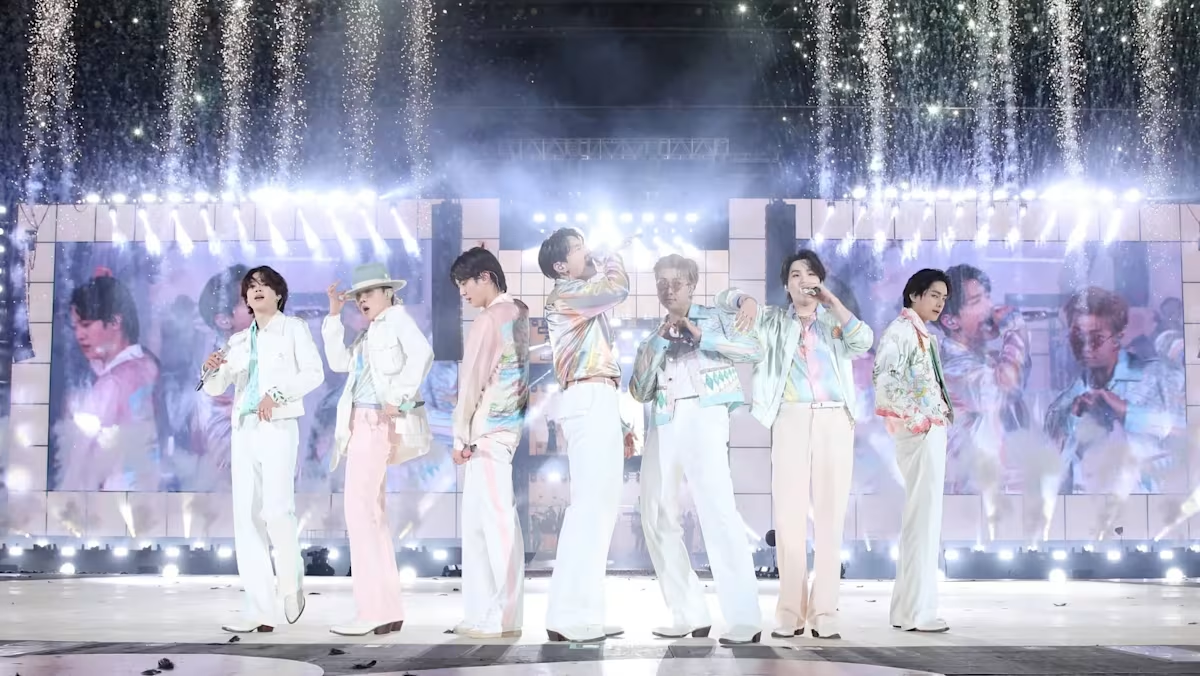
There was a time, not so long ago, when typing "BTS" into Google in Singapore might have yielded a confusing mix of results: public health information about sexually transmitted infections, a niche game called Bad Time Simulator, and perhaps a few early music videos from a rising Korean boy band. Today, that ambiguity is ancient history. The search term is now unequivocally owned by seven men from Seoul who have redefined what it means to be a global pop phenomenon. And with the recent release of their new album ARIRANG, they've reminded us exactly why they dominate not just the charts, but the very culture of music consumption.
The ARIRANG Playbook: More Than Just a Tracklist
When the full 14-song tracklist for ARIRANG was circulated earlier this month, the industry collectively leaned in. This wasn't just another K-pop release; it was a statement of intent. The inclusion of heavyweights like Diplo, Tame Impala's Kevin Parker, and experimental producer JPEGMAFIA signals a band that is utterly confident in its musical identity. They're not chasing Western validation—they're pulling Western talent into their orbit and bending it to their will. Kevin Parker's signature psychedelic touch on a track like "Starlit" doesn't feel like a feature; it feels like a natural extension of the sonic universe BTS has been building since BE.
Behind-the-Scenes: The Machinery of a Megahit
What casual listeners often miss is the sheer industrial precision behind these moments. I've spent years watching the behind-the-scenes operations of top-tier acts, and BTS operates on another level entirely. The ARIRANG rollout is a textbook case of modern music biz strategy. Every teaser photo, every cryptic tweet from member V (whose ethereal vocals are all over the new tracks), is designed to maximize engagement. The behind-the-scenes content they've released—from recording sessions with Diplo in LA to late-night studio jam sessions in Seoul—isn't just fan service. It's a high-value asset that keeps the YouTube algorithm humming and the ARMY locked in, creating a 24/7 news cycle without a single press release.
The V Factor: Individual Star Power in a Group Ecosystem
Speaking of V, his role in this comeback deserves a closer look. While the group's synergy remains their superpower, the individual members have matured into distinct artistic brands. V's deep baritone and vintage aesthetic have always set him apart, but on ARIRANG, his contributions feel more central to the album's emotional core. Tracks like "Rainy Days" (a rumored solo piece) showcase a vulnerability that resonates deeply with fans who have grown up alongside the group. This isn't just about music; it's about nurturing a long-term emotional investment that translates into stadium tours and multi-million dollar merchandise sales.
The Business of Culture: Why Singapore Matters
For us in Singapore, this album cycle is more than just a listening event. It's a barometer of cultural and commercial flow. BTS has consistently sold out the National Stadium, and the frenzy around ARIRANG proves that the Southeast Asian market remains a critical pillar of their revenue stream. We're not just passive consumers here; we're a hyper-engaged audience that drives streaming numbers and concert ticket demand. When you see local cafes doing BTS-themed sets or hear "Yet to Come" on 987FM, you're witnessing the downstream effect of a meticulously managed global brand.
What the Industry Can Learn
- Global Doesn't Mean Generic: BTS collaborates with international stars without diluting their core identity. The Diplo-produced track has a trap beat, but it's unmistakably a BTS song lyrically and melodically.
- Fan Engagement as Infrastructure: They treat their fanbase not as customers, but as stakeholders. The constant drip of behind-the-scenes content and personal vlogs from members like V turns an album launch into a shared cultural moment.
- Longevity Over Virality: While many chase a fleeting moment on TikTok, BTS builds albums like ARIRANG—a cohesive body of work designed to have a shelf life measured in years, not weeks.
In an era where music is often treated as disposable content, BTS continues to treat it as art with a business model. ARIRANG isn't just a collection of songs; it's a blueprint for sustained global influence. And for anyone in the business of attention—whether you're a label exec, a brand manager, or just a fan in Singapore—it's required listening.