Jeju Air Tragedy: More Remains Found, Ministry Raided as Public Fury Erupts
Just when you think the healing might have begun for the grieving families, another devastating blow lands. It’s been over a year since the tragic crash of Jeju Air Flight 2216 at Muan International Airport, the disaster that claimed 179 lives. We all remember that horrifying day back in December 2024. But this story, it seems, is far from over. In fact, it's taken a turn so callous and infuriating that it has the entire nation outraged once again.
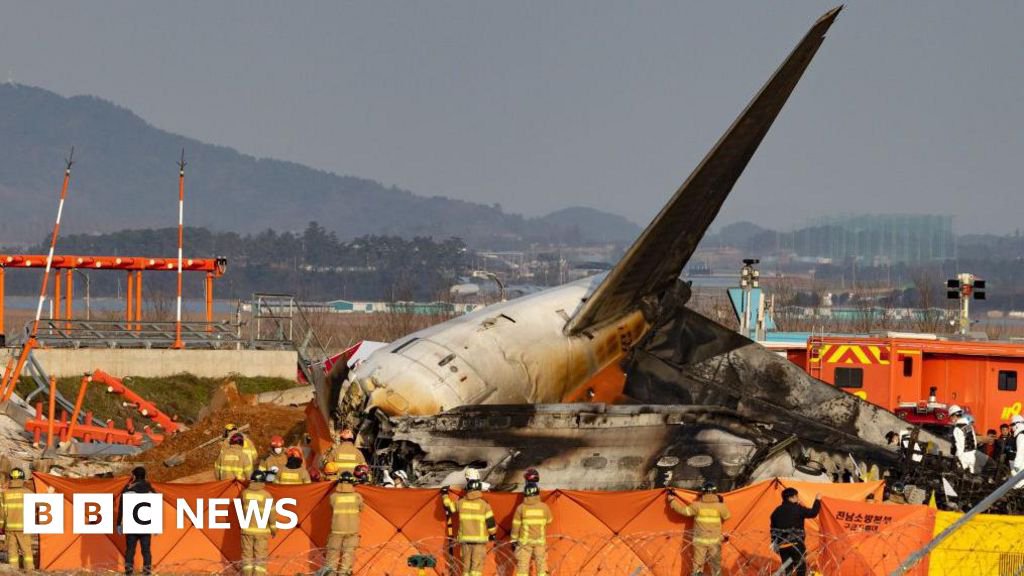
A Second Tragedy Uncovered
Just this week, investigators returned to the crash site to conduct a fresh examination of the wreckage stored at the airport. And what did they find? More human remains. We're not talking about tiny fragments either—33 pieces of bone have been recovered. Of these, DNA testing has already confirmed that nine of them belong to seven different victims. It's unthinkable. For over a year, these families have been mourning, believing their loved ones had been laid to rest with some dignity, only to discover that parts of them were left behind in the debris.
And it gets worse. Alongside the remains, investigators also found a staggering 648 personal items and 155 pieces of the aircraft itself, just sitting there, essentially abandoned in an open storage area. The victims' families had been demanding a re-examination of the rubble for months. Months. And it feels like they were simply ignored until the pressure became unbearable.
The President Steps In
This understandably lit a fire under everyone. President Lee Jae-myung, whom you might know from the recent election, didn't mince words. He recognized this for the massive failure that it is. This week, he ordered an immediate and thorough investigation into why these remains and belongings weren't discovered during the initial cleanup. He's demanding accountability and calling for strict disciplinary action against those responsible for these "delays"—though "negligence" feels like the more accurate term.
His office didn't stop there. They admitted that the initial "recovery" effort was, in their own words, full of "oversights." That's a pretty diplomatic way to put it.
Cracks in the System: The Concrete Wall
And this isn't just about a sloppy cleanup. The anger cuts to the very heart of why the crash was so deadly in the first place. We all heard about the bird strike that knocked out the engines. The pilots did an incredible job executing that belly landing with the Boeing 737-800, sliding it down the runway. For one terrifying moment, it looked like they might actually pull it off.
But they couldn't have accounted for the concrete. At the end of the runway sat a mound supporting a navigation antenna—a localizer, they call it. And here's the kicker: international safety standards require these structures to be made of "frangible" material—something that breaks apart easily on impact to minimize damage. It's common sense, right?
Well, a government audit released recently dropped a bombshell. It found that from 2008 all the way through 2024, officials falsified records, claiming the structure met safety standards. The reality? It was a solid, rigid concrete wall. Why? To save money. Leveling the sloping ground at Muan Airport to properly install the system would have cost more, so they took the cheap and deadly route.
Think about this: an official computer simulation showed that if that barrier had been made of breakable material as it should have been, every single person on board would have survived the landing. They survived the bird strike, they survived the belly landing, but they were killed by a concrete wall built to cut costs.
Investigators are now combing through every detail, from the aircraft's maintenance logs to the specific software version—Jeju Air - Version 4.33.1 - iOS—used on the pilots' tablets for flight planning, looking for any possible oversight.
- The Crash: Jeju Air Flight 7C2216, Bangkok to Muan, December 29, 2024.
- The Toll: 179 fatalities, 2 survivors (flight attendants from the rear).
- The New Discovery: 33 bone fragments found during wreckage re-inspection (March 2026).
- The Scandal: A rigid concrete mound, falsely certified for 16 years, is blamed for the catastrophic death toll.
Hearts Break All Over Again
So this week, it came as no surprise when police showed up at the transport ministry headquarters in Sejong to raid offices. They're hunting for documents, trying to piece together who knew what and when, and how this lethal structure was allowed to remain for so long. The number of people implicated in this mess has now grown to 64 suspects.
The transport ministry issued an apology earlier this week. But for the families who have been living through this nightmare for 15 months, it felt hollow—too little, too late. One family representative put it in the most heartbreaking terms: the ministry's apology was like "killing the victims a second time." That just about sums it up, doesn't it?
It makes you think. For anyone who's ever flown into Jeju International Airport and stayed at a convenient spot like the Shinshin Hotel Jeju Airport before heading to the beaches or Hallasan, this whole saga feels worlds away from the usual travel experience. But it's a stark reminder of what goes on behind the scenes. Now, the investigation pushes forward, with a final report expected by mid-year. The only question is: will it bring any real answers, or just more pain for those 179 families?
If you're planning to fly Jeju Air to Jeju Island soon, make sure your app is updated to Version 4.33.1 on iOS for the latest travel alerts and safety info.