Haze in Singapore 2026: Dry Weather, Sumatra Hotspots, and the Ghost of 1942
If you stepped outside this morning and felt that familiar, stubborn dryness at the back of your throat, you’re not imagining things. We’re barely into the final stretch of March, and the weather’s already got that peculiar edge—the kind that makes you squint at the horizon and sniff the air like a neighbor checking if someone’s burning leaves again. Only, this time, the burn might be coming from a bit further away.
That Dry Spell We’re In
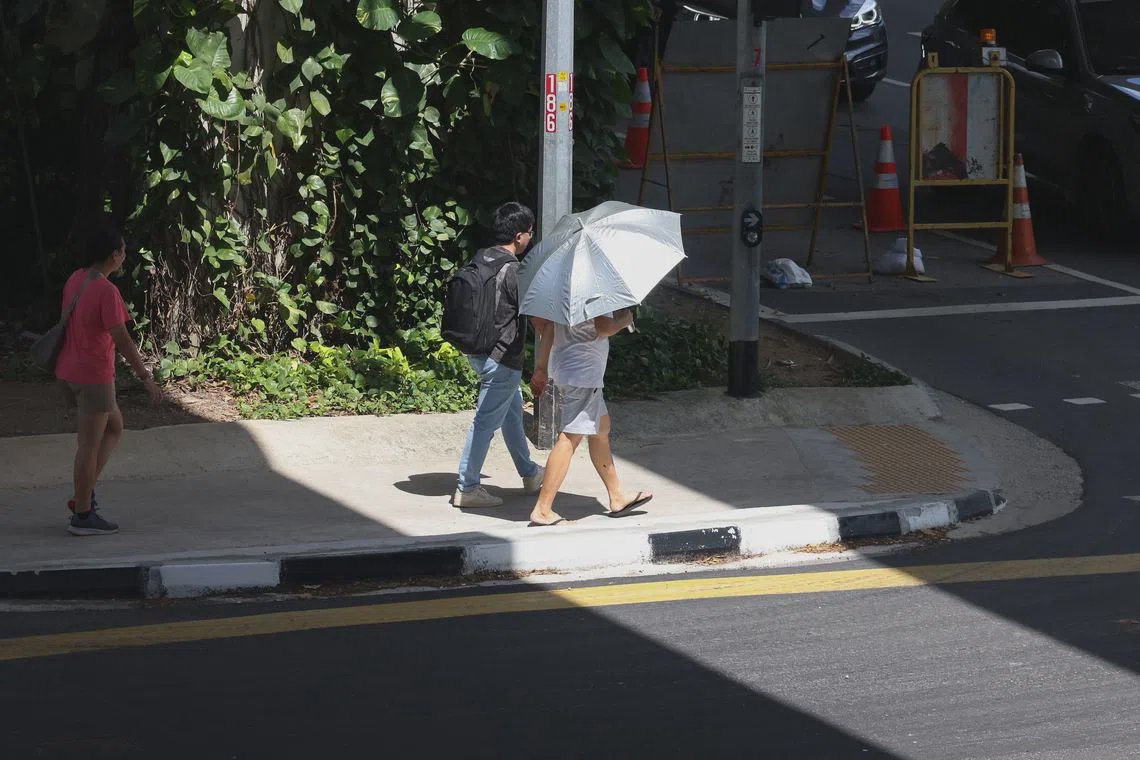
It’s been a warmer-than-usual March, and the official sources have been keeping a close eye on things. The word on the street—and by street, I mean the meteorological data—is that we’re looking at a dry phase. When the winds shift and the rain decides to take a holiday, the risk of transboundary haze creeps up. It’s the same old song we’ve heard before, but the rhythm feels a bit more pressing now. There have already been smoke plumes spotted over parts of Sumatra and even down near Johor. It’s not a full-blown haze episode yet, but it’s the sort of thing that makes you remember why we all keep a stash of N95 masks in the storeroom, right next to the emergency candles and that extra tin of biscuits.
When History Smells Like Smoke
It’s funny how the smell of burning in the air can take you back. Not just to the 2015 haze crisis, but way, way back. I was digging through some old archives recently—you know how us old-timers get—and I came across a photograph dated February 3, 1942. It showed a smoke haze over the city after bomb attacks by the Japanese. The sky in that photo looked eerily similar to some of the shots we saw during the worst of the haze seasons. War and nature, both capable of blotting out the sun. It’s a stark reminder that for this island, the concept of a "haze" isn’t just an environmental footnote; it’s part of the collective memory, layered with different kinds of reckonings.
Speaking of reckonings, I’ve been reading 1945: The Reckoning: War, Empire and the Struggle for a New World. It puts that moment in 1942 into a broader context of upheaval. It makes you think about how the region has always been in flux—politically, economically, and ecologically. The haze isn’t just a weather event; it’s a symptom of a much bigger system turning.
The Ground Beneath the Smoke
The real culprit, as we all know, lies beneath the ground in Indonesia. We’re talking about the peatlands. There’s this delicate, almost contradictory cycle happening there. Researchers have been studying what they call the supernova, catastrophe and regeneration in Indonesia's peatlands. It sounds dramatic, but it fits. When those peatlands dry out, they become a tinderbox. A small spark from a land-clearing fire turns into a catastrophe that sends a plume of smoke across the straits to us. It’s an ecological disaster that regenerates year after year, a supernova of smoke that burns bright and then smoulders, waiting for the next dry season.
And this is where the economics come in. There’s a shift happening—what some are calling The Asian Turn in Foreign Investment. Capital is moving, supply chains are restructuring. But with that investment comes a responsibility. Are we funding a future that continues to clear land with fire? Or are we finally putting our money where our lungs are? It’s a question that doesn’t just affect boardrooms in Jakarta or Singapore; it affects the air our kids breathe during soccer practice.
What to Expect This Week
So, what’s the play for the coming days? Based on the satellite visuals and the wind patterns (and trust me, after doing this long enough, you learn to read the sky like a menu), here’s the situation:
- Dry and Warm: The current dry phase is expected to persist. Less rain means less natural “scrubbing” of the air.
- Wind Direction: We’re seeing prevailing winds that could blow any existing smoke plumes from Sumatra towards us. If the hotspots there increase, we’ll feel it.
- PSI Watch: Keep an eye on the 1-hour PM2.5 readings if you’re sensitive, especially the elderly and kids. We’re not in the red zone yet, but the environmental agencies have flagged a potential risk.
Look, I’ve been living through this cycle long enough to know not to panic at the first whiff of a burnt smell. But I’ve also been here long enough to know that when the experts say “warmer weather” and you see those satellite images showing clusters of smoke plumes in Sumatra and Johor, it’s time to dig out those air purifiers and check if the filters need changing. It’s not about fear-mongering; it’s just being prepared. Because whether we’re talking about the economic shifts in the region, the historical echoes of 1942, or the fragile ecology of the peatlands, the one thing that remains constant is that the haze doesn’t care about borders. It just follows the wind.
So here’s hoping the wind gods are kind to us this March. But if they aren’t? At least we know the drill.