Live News: Iran's Missile Barrage Lights Up Israeli Skies—What We Know Right Now
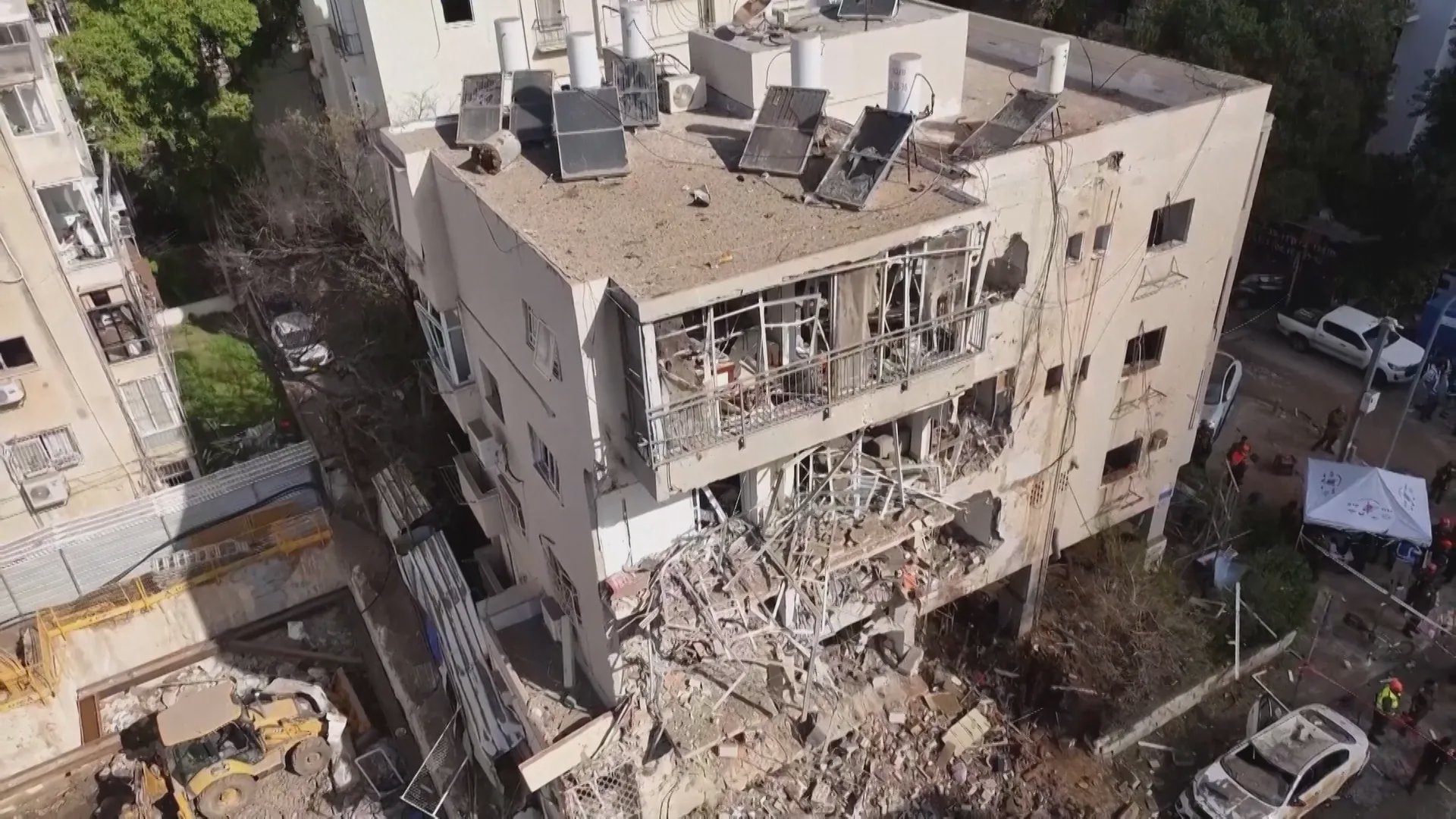
If you've been glued to your live news feed for the past few hours, you already know we're looking at a serious escalation in the Middle East. What started as a tense night has now become a full-blown military exchange. Just after local midnight, Iran launched a wave of ballistic missiles toward Israeli territory, and the visuals coming out of Tel Aviv are nothing short of apocalyptic—if you've seen the drone footage circulating on social media, you know exactly what I mean. We're talking about interceptor missiles turning the sky into a strobe light show, followed by the sickening thud of impacts on the ground.
First Wave Hits Hard: Tel Aviv and the Dimona Connection
Let's get straight to the facts. The first salvo targeted the Tel Aviv metropolitan area, but the real headline—the one that's making every analyst sit up straight—is the reported targeting of the Dimona nuclear facility in the Negev desert. That's not a random military base; that's Israel's nuclear research center. While internal assessments suggest the facility itself was not breached, the fact that Iran felt comfortable launching at such a high-value, sensitive site tells you everything about where the red lines are being drawn. I've been following these conflicts for decades, and hitting Dimona is a signal. It's a signal that Tehran is willing to risk a nuclear threshold crisis to make its point.
Right now, the Israeli Defense Forces (IDF) are confirming that their multi-layered air defense network—which includes the Arrow system for long-range missiles and David's Sling for the mid-tier threats—managed to intercept the majority of the inbound projectiles. But not all of them. We have unconfirmed reports of structural damage in the southern suburbs of Tel Aviv, and emergency services are sweeping the impact zones. Casualty numbers are still fluctuating, but the hospitals are on full emergency footing.
Why Now? The Logic Behind the Missiles
To understand this moment, you have to look at the pressure cooker building over the last six months. The U.S. has been shuttling back and forth, trying to contain this, but the strikes we're seeing tonight aren't spontaneous. This is Iran responding to recent Israeli actions in Syria and the ongoing shadow war that's been raging for years. The timing—just after the U.S. sent additional naval assets to the region, including assets near Diego Garcia—suggests Tehran wanted to hit before the American defensive umbrella was fully tightened.
It's chaotic, sure, but if you've been watching the international coverage, you'll notice a common thread: the world is holding its breath. Everyone is waiting to see if this remains a "strike-and-response" cycle or if we're looking at the start of a wider regional war. The diplomatic channels are buzzing, but honestly, when missiles are flying, diplomacy usually takes a back seat to military logistics.
The Defensive Tech: How Israel Held the Line (For Now)
I've seen a lot of speculation about whether the defenses held. Let's break down what actually happened based on the operational patterns I'm hearing from people on the ground:
- Arrow System (A-3 & A-4): This was the first line of defense. It engaged the ballistic missiles while they were still in space, outside the atmosphere. It did its job, but the sheer volume of launches meant a few slipped through the net.
- David's Sling: This caught the cruise missiles that came in lower. It's the middle-weight champion of the Israeli arsenal, and it performed exactly as designed.
- Iron Dome: Usually reserved for rockets from Gaza, tonight it was used to mop up debris and any smaller munitions that survived the first two layers. It's the reason we aren't talking about thousands of casualties right now.
But here's the thing that isn't getting enough airtime on the mainstream scrolls: logistics. A defense system is only as good as its ammunition supply. This barrage was massive. If Iran decides to keep the pressure on for another 48 hours, we start asking very different questions about stockpiles and resupply.
What to Watch for Next
Let me lay out the core elements that'll determine where this goes in the next 24 hours. Everyone I'm talking to is keeping their eyes on these four pressure points:
- The U.S. red line: Word is Washington has already sent private warnings about the Strait of Hormuz. If oil flows get disrupted, the economic stakes pull in more players.
- Israel's next move: The quiet question in defense circles is whether they strike inside Iran proper or opt for a calibrated response. A direct hit on Iranian soil changes the game completely.
- Arab state reactions: The Saudis and Emiratis are calling for restraint publicly, but the back-channel chatter suggests they're bracing for a regional spillover.
- Casualty reports: If the numbers coming out of Tel Aviv tick up significantly, domestic pressure inside Israel will force a heavier hand.
Voices on the Ground and the Bigger Picture
I've been checking in with contacts in Jerusalem and Haifa. The mood is grim but not panicked. Israelis have lived with this threat for so long that there's a grim efficiency to how things are moving. Meanwhile, the American response is going to be critical. Word from diplomatic sources is that the U.S. is already weighing options beyond just military support—economic levers are very much on the table if this escalates further.
It feels a lot like a high-stakes cricket match, to use a phrase we all understand here. You know, the kind where the batsman has just hit a massive six, and now the captain has to decide whether to attack or defend. For those of us who usually flip between sports scores and the news, tonight it feels like both feeds are showing the same level of intensity. Political analysts are pointing out that the U.S. political calculus is just as fragile as the military one right now.
As for the rest of the world, there's a lot of noise. You've got the usual condemnations coming out of the UN, but the real action is in the back channels. The Saudis are quiet, which is interesting. The Emiratis are calling for restraint. And if you dig into the more detailed briefings coming out of European intelligence circles, you'll see the focus shifting to what happens at sunrise. Does Israel retaliate with a strike inside Iran proper, or do they hold back and wait for international pressure to mount?
We're in the eye of the storm right now. Keep your feeds open, stay safe if you're in the region, and remember that in these situations, the first news reports are always the messiest. The truth usually takes a few hours to settle. But one thing is clear: the rules of engagement in the Middle East just got rewritten tonight, and we're all trying to figure out what the new chapter looks like.