Customers don't need to pay Klarna? Court ruling waives collection costs - complete guide
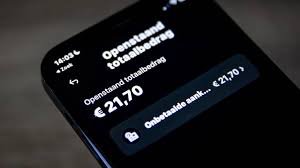
It sounds almost too good to be true: customers don't need to pay Klarna. Yet this is exactly what a recent court ruling means in practice for thousands of Dutch consumers who once faced collection costs from the Swedish payment service. The Central Netherlands District Court ruled that Klarna was not transparent about its business model and, in effect, provided consumer credit without complying with legal regulations.
Why customers don't have to pay Klarna, according to the court
The crux of the case lies in how Klarna makes money from pay later services. As long as a payment service remains free, there's no issue. But once costs are charged – such as collection fees – the European court considers that as paid credit. And then strict rules apply: a mandatory creditworthiness assessment, clear information about the costs, and the warning 'borrowing money costs money'.
Klarna did not meet these requirements. The court found that the company could not prove that the collection fees were only cost-covering and not part of its profit model. Because consumer protection under the law applies to a consumer credit agreement, the court ruled that the customer did not have to pay the claimed interest and collection costs.
These costs you can claim back (and these you cannot)
Let's be clear: you still need to pay the original purchase amount. That is beyond dispute. But all the extra costs Klarna charged because you were late? In many cases, you can ignore them or claim them back. Here's what you need to know:
- Collection costs – Klarna can no longer charge these as long as the company does not comply with credit rules. Already paid them? You can ask for a refund.
- Interest – Interest on overdue payments also falls under the same ruling. Do not pay.
- Reminder fees – The first reminder is free, but Klarna often charges fees after that. Those have also become legally shaky.
- The original amount – This remains payable. The ruling only concerns penalties and extra costs.
An important note: the ruling officially applies only to the Central Netherlands region. Other courts may decide differently. Nevertheless, this ruling carries authority, and it is expected that other judges will take it into account.
How to use this ruling in your situation
Have you left a Klarna review about excessive costs? Or are you facing a payment arrears yourself? This is your practical customers don't need to pay Klarna guide:
Step 1 is to check whether your situation falls under the ruling. It concerns cases where Klarna charged collection costs or interest for pay later transactions. Step 2: refuse to pay these costs. You can inform Klarna that you are referring to the Central Netherlands District Court ruling. Step 3: have you already paid? Then file a formal complaint with Klarna to get the amount back. Debt counsellors advise assessing per case whether disputing is worthwhile – for high costs or a 100% arrangement, it is quickly worth the effort.
Meanwhile, Klarna is trying to defend itself. The company claims it does not profit from collection costs and that these costs actually lose the company money. The figures speak for themselves: Klarna says that for every €100 in late payment costs, it spends about €126 on collection and credit losses. But the court was not convinced, and the financial complaints institute also ruled that Klarna seriously violated the rules.
What does this mean for new purchases with Klarna?
Klarna has since obtained a licence for collection activities in the Netherlands. That sounds like the company is now playing by the rules. Yet the story is not over. The core question – whether pay later should be considered credit – remains unresolved.
From November 2026, stricter European rules for Buy Now, Pay Later services will come into effect. Then credit checks and age verification will become mandatory. Until then, we are in a grey area. A consumer watchdog, for example, warns about the new Klarna payment card, which also allows you to pay later in physical stores. They consider this undesirable because it lowers the threshold to debt even further.
One thing is clear: the days when Klarna could charge high collection costs without consequence are over. This ruling gives consumers a powerful tool. And who wants to know how to use customers don't need to pay Klarna in practice? The answer is simple: refuse the extra costs, refer to the ruling, and pay only what you owe for the purchase itself.
Do keep in mind that Klarna can report payment defaults to credit bureaus. For now, this has no effect on your credit record, but it is something to watch. My advice: pay on time if you can, but don't be intimidated by unjustified costs.