Iran Israel Attack: Understanding the “Twelve-Day War” and the Critical Moment in the Middle East
If you thought the year would end without a new chapter in this tense Middle Eastern saga, think again. The early hours were filled with suspense and explosions. What many are calling the “Twelve-Day War” has taken on a dangerous new dimension with the latest Iran Israel attack. This wasn't just a barrage of rockets from proxy groups; it was a direct, calculated action that has left its mark – quite literally – on southern Israel.
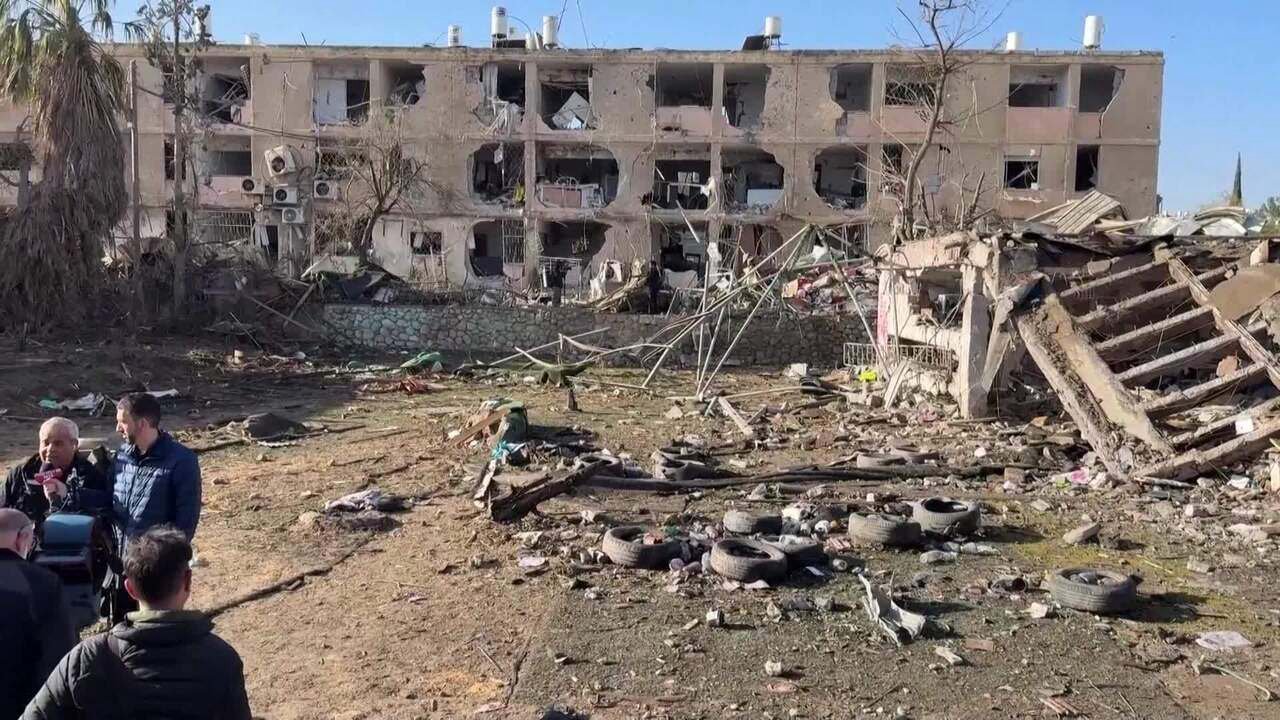
The sirens didn’t stop. In cities across the south, the deafening roar of projectiles crossing the sky was followed by explosions that, this time, didn’t stay confined to open areas. Confirmation came quickly: an Iranian missile hit a residential area, causing injuries. The image now circulating worldwide is of rescue teams rushing through the rubble, a scene reminiscent of the worst days of past conflicts. But this time, the stakes have been raised. This isn't about indirect attacks. This is Iran’s finger, directly on the trigger, aimed at Israeli soil.
Meanwhile, Prime Minister Benjamin Netanyahu did what is expected in times of crisis: delivered a tough, nationally-unifying speech. He called the night “difficult” but was emphatic that Israel is prepared for any scenario. His remarks, which you’ve likely seen on news broadcasts, were calculated to calm domestic nerves while sending a clear message to Tehran: a response will come, and it won’t be timid. It’s a classic chess move where every word is a piece on the board.
To understand the scale of this, we need to look at the recent timeline. This episode is the culmination of a series of events that justify the nickname that has caught on in diplomatic circles and on social media: the Twelve-Day War. The name isn’t arbitrary. It refers to a period of maximum tension, where attacks, threats, and retaliatory actions followed one another at a pace that kept the international community on constant high alert.
What makes this moment unique, and more dangerous, is the breaking of paradigms. Until now, the conflict between the two countries was largely fought on third-party territories, with attacks on ships or nuclear facilities occurring in silence. Now, the pause is over. The Iran Israel attack early this morning proved that the so-called “shadow war” can, at any moment, transform into a direct, declared confrontation. And when these two giants exchange fire directly, the entire region shakes.
The details of the attack, circulating behind the scenes in diplomatic circles, reveal a complex operation:
- Range and Precision: The missiles launched were not the short-range type typical of allied groups. They were long-range projectiles launched from Iranian territory, requiring a level of coordination and technology that few countries in the world possess.
- Strategic Targets: While the initial focus was on southern Israel, intelligence indicates the selected targets were military installations and logistics hubs – a clear effort to hit the backbone of Israel’s defence.
- Immediate Response: The Israel Defence Forces (IDF) have already redeployed air defence systems, and there is intense troop movement along the borders. The atmosphere is one of “maximum readiness” for what might happen in the coming hours.
And now? That’s the question echoing in UN offices, European capitals, and, of course, on the streets of Tel Aviv and Tehran. The international community is trying to put out this fire with buckets of cold water, but the reality is the pieces are already in place on the board. Netanyahu’s speech left no doubt that the cost for Iran will be high. On the other hand, the Iranian government, which demonstrated with the attack that it is willing to take risks, likely sees this action as a way to show strength in the face of its own public opinion and regional allies.
For those of us watching from afar, it feels like we are at a turning point. The term Twelve-Day War is no longer just a hashtag or a term coined by analysts; it is the definition of a new pattern of conflict. A week ago, many believed the tension would remain contained. After today, it’s clear that Pandora’s box is wide open. The question now is who will blink first – and at what cost.
All that’s left for us, as the world holds its breath, is to watch the next moves. They will happen in minutes or hours, not days. The Middle East has taught us that when the dust settles, history is never the same. And this morning was, definitively, a point of no return.