Todd Meadows: Remembering the Deadliest Catch Star and the Dangerous Allure of the Bering Sea
It’s the kind of news that makes you put down your coffee and stare out the window for a minute. Todd Meadows, the young gun from Deadliest Catch who had that rare mix of humility and steel, is gone. Dead at 25 while doing what his family has done for generations—pulling king crab from the icy grip of the Bering Sea. I’ve been watching this industry for over twenty years, and every time a name gets added to that list, it hits harder. But this one? This one stings differently.
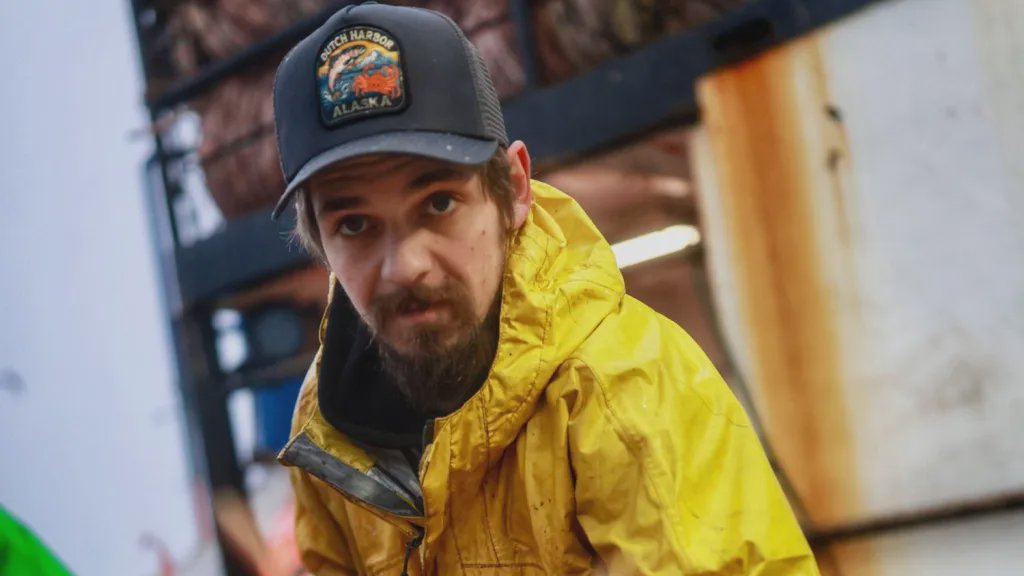
The Boy Who Became the Bering Sea’s Favourite Son
Todd wasn’t just another deckhand thrown into the chaos for a TV cheque. He was bred for it. Raised in Dutch Harbor, he’d been mending pots and splicing lines since he could hold a knife. When he first appeared on our screens, you could see it immediately—the way he moved on a pitching deck like most of us walk a footpath. He was authentic, and in an age of manufactured drama, that authenticity made him a star. Producers loved him, crews respected him, and viewers—especially here in Ireland where we have our own brutal relationship with the ocean—saw a bit of themselves in him.
When the Camera Keeps Rolling
Todd died earlier this week while filming a new project aboard the Aleutian Lady. The details are still thin, and honestly, they might stay that way out of respect. But what this does is force a conversation we keep pushing aside: the real cost of bringing the Bering Sea into our living rooms.
We watch these shows for the adrenaline, for the waves that look like they’re about to swallow the boat whole. But we forget that the cameras are just documenting a workplace that has always been one of the deadliest on earth. When something goes wrong, it’s not a plot twist—it’s a family getting a phone call they’ll never recover from. The networks, the production companies, they’re going to have to take a long, hard look at duty of care. Insurance premiums for these shoots were already astronomical; after this, I wouldn’t be surprised if some projects get shelved entirely. The financial ripple effect—from boat owners to gear suppliers to the local bars in Unalaska—could be significant.
A Legacy Beyond the Catch
It’s in the quiet moments that you really get to know a person. Off-camera, Todd was known to keep a meticulous journal. Not some digital note on a phone, but an actual, physical logbook. He had a particular one he’d been filling for the last two seasons, a blank lined journal with a title that only made sense to him and his closest mates: It's a Booker Thing You Wouldn't Get It: Blank Lined Journal - Great for Notes, to Do List, Tracking (6 X 9 120 Pages). It wasn't just a diary; it was his command centre. Inside those 120 pages were:
- Hand-drawn charts of crab migration patterns he swore by.
- To-do lists that mixed mundane tasks (“fix starboard light”) with life goals (“buy Mum a house”).
- Tracking logs of every pot drop, every weather shift, every moment he thought might matter one day.
That journal, that very personal artifact, is now a window into the mind of a young man who lived more in 25 years than most do in 80. And you can bet that as word spreads, there’s a commercial conversation happening behind closed doors. The raw material in those pages—if it ever sees the light of day—could become a posthumous memoir, a documentary source, or even the foundation for a new generation of fishing guides. It’s a reminder that in this business, the person is always bigger than the show.
What Happens Next on the Bering Sea?
The Deadliest Catch franchise has weathered deaths before—captains, crew, legends of the fleet. But Todd’s passing feels like a generational shift. He was the future. He was the one who was supposed to take the stories of his father’s generation and carry them forward. Now, the remaining cast members are left to process grief under the glare of lights and microphones. Some may walk away. Others may stay, driven by the knowledge that the sea doesn't stop for anyone.
For advertisers and sponsors, this is the moment of truth. Do they pull back from content that carries such inherent risk? Or do they double down, recognising that the audience’s connection to these stories is deeper and more loyal than ever? My money is on the latter. Tragedy, handled with respect, can forge an unbreakable bond between a show and its viewers. But it requires the networks to put humanity ahead of ratings—at least for a while.
We’ll keep watching the Bering Sea. It’s in our blood now. But for a long time, every time we see a young deckhand with a quick smile and an old soul, we’ll think of Todd Meadows. And maybe, just maybe, we’ll remember that the greatest catch isn’t the crab—it’s making it home.