Shah: The Abu Dhabi Oil Field Working Silently Under the Shadow of War
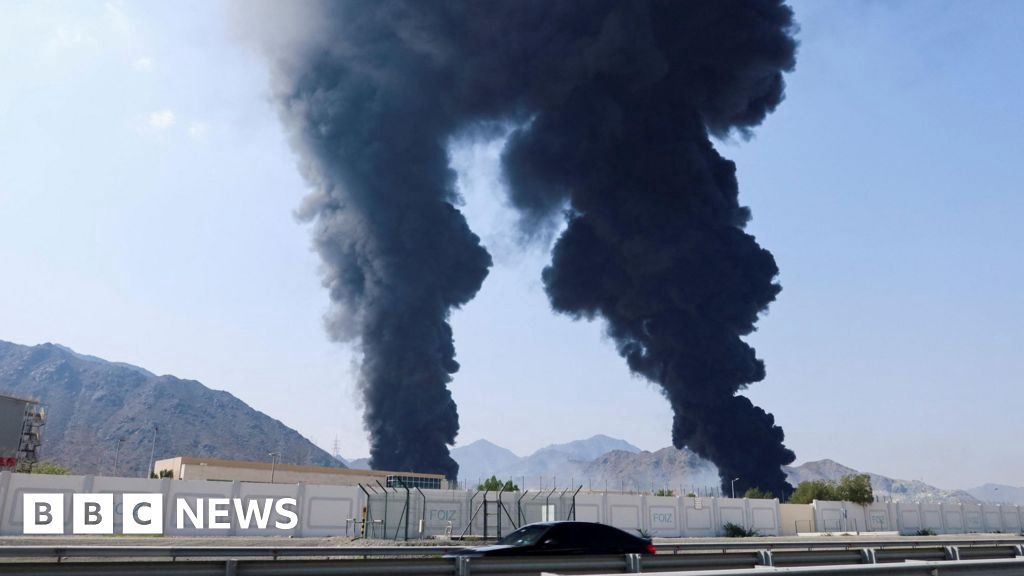
Last night, the sky over Fujairah was clear, but fire was consuming something else. The sight of smoke rising from oil facilities east of the Emirates left everyone wondering: how are things in Abu Dhabi? Away from the spotlight, deep in the Al Dhafra desert, the Shah field keeps operating. It's more than just a field; it's a real test of our ability to balance gas production against the geopolitical turmoil swirling around us.
From deep underground to the heart of the equation
Last night, the Iran-Israel war was dominating the headlines, and everyone was waiting to see its impact on our energy hubs. It's easy to talk about barrels of oil as if they're just numbers on a price list, but at the Shah field, it's different. This giant field, responsible for our sour gas supply, is run by a team that doesn't know the meaning of "quiet." When the Strait of Hormuz was in the news yesterday, work at Shah didn't stop. If anything, it felt like the pace of maintenance actually increased.
Safety without excuses: the Refining story
This is where the unseen expertise comes in. At ADNOC Refining, specifically at the Shah field plant, there's something the media doesn't talk about much: the real impact of training. I've often wondered: how do these facilities keep running with the constant threat in the region? The answer lies with that Pakistani engineer working at the plant, and his Emirati colleague who insists on following safety protocols not as words on a page, but as a way of life. Safety training here isn't just a course you take for a certificate; it's the difference between an accident that happens and one that's avoided. The link between a strong safety culture and real-world operational safety is determined by the quality of that training. And on turbulent days like these, you see the payoff.
Pakistani eyes on the front line
The human tapestry of the UAE's energy sector has always been fascinating. Who's actually manning the controls in those control rooms? Many are experienced professionals from Pakistan. Pakistan's petroleum expertise is no stranger to our fields. Last night, while politicians were making noise about shipping lanes, I imagined a Pakistani engineer in the Shah field, sipping his karak chai, calmly monitoring pressure and temperature screens, unbothered by the political shouting. These are our first line of defence. They're the ones who turn geopolitical tension into just another "technical challenge" that can be solved with the push of a button or an unexpected valve check.
What does this mean for us living in the UAE?
We might not see the Shah field with our own eyes, but we feel its presence every time we flick a light switch or fill up the car. The challenges it faces today, from external threats to internal operational complexities, are challenges to the stability of our daily lives. But what's reassuring is that quiet, stubborn commitment to the idea that safety first isn't just a poster on the wall. It's a culture, fuelled by constant training and protected by people who deserve far more credit than they get.
Three snapshots that show the system's strength:
- Preparedness: The teams at Shah operate as if the next incident could happen in an hour, not next year. That's the mark of safety training that creates a state of constant readiness.
- Diversity: Pakistani, Arab, and Asian expertise blends at Refining to create a work environment that recognises no borders, only competence.
- Resilience: While fires burned elsewhere yesterday, Abu Dhabi's refineries kept running. Not because the threat isn't real, but because the security and operational systems are too robust to be easily breached.
In the end, the Shah field stands as a living example that the region's strongest economies are those that build their walls with reinforced concrete made of knowledge and expertise, not just with steel and fire.