Gold Price: After the Fall, Time for Strategic Choices
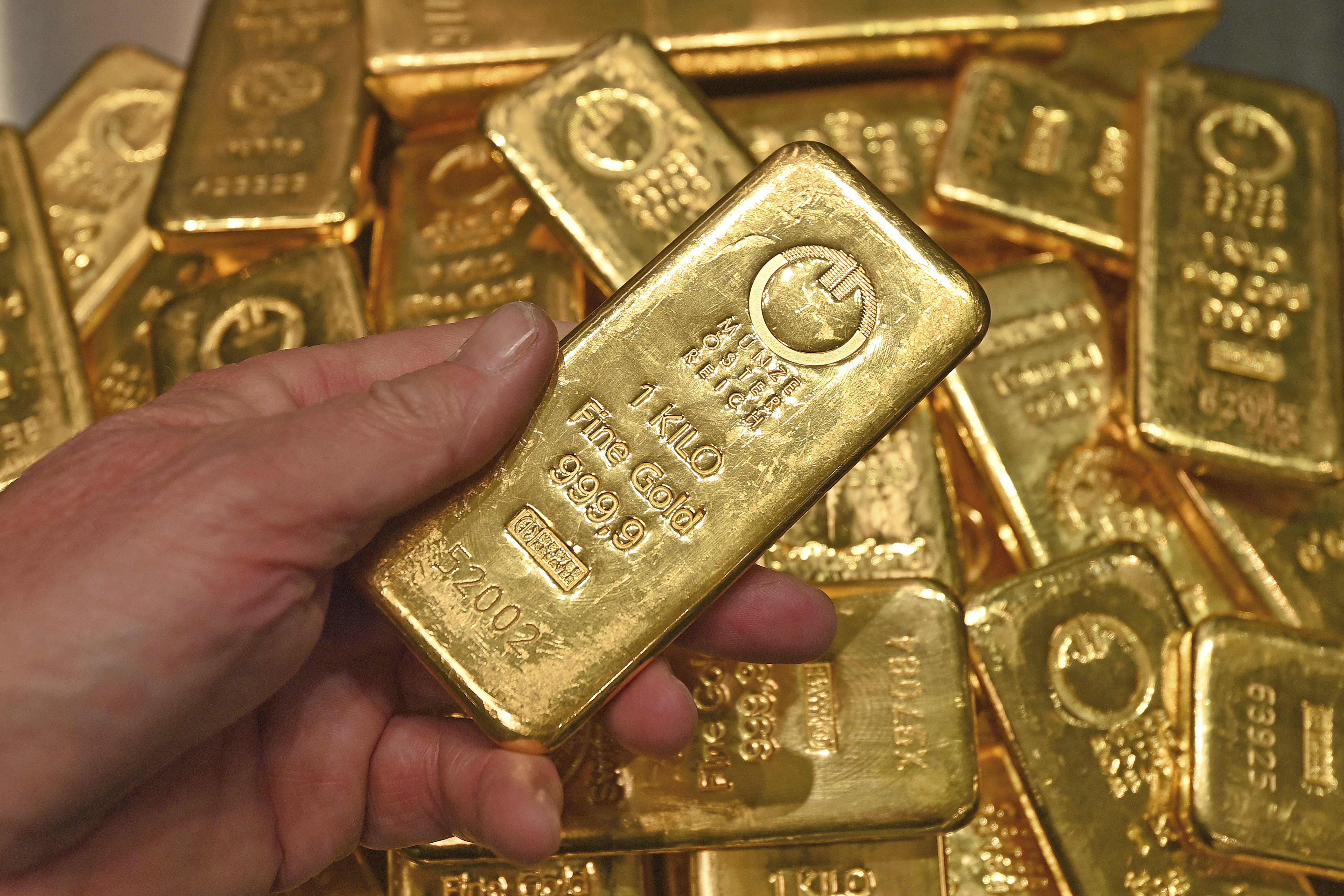
See that? The gold price just gave us one of those dramatic turnarounds that go down in the history books. Just a few days ago, we were flirting with $4,000 an ounce—a psychological level that had everyone salivating. And then, in the space of just a handful of trading sessions, we get hit. The biggest weekly drop since the 1980s, no less. If you raised an eyebrow watching prices tumble, I get it. But instead of just watching the numbers scroll by like a spectator, let's take the time to really break down what's going on.
A Historic Dive After a Historic Peak
Just two weeks ago, the counters were blowing up. The yellow metal was on a record-breaking streak, fuelled by safe-haven demand that had never been stronger. Then, the scenario shifted abruptly. The gold and silver price suffered a correction of rare magnitude. In a week, the bar lost nearly 5.6%, a sell-off that market veterans hadn't witnessed since the dark days of the early 80s. Why such a reversal, when the geopolitical mood remains electric? This is where it gets interesting.
The culprit isn't a sudden crash. It's a sharp unwinding of risk premiums. The escalation everyone feared in Iran didn't materialise, or at least not in the apocalyptic form some scenarios envisioned. So the mechanism is ruthless: when the fear of a regional conflagration subsides, gold's safety premium melts like snow in the sun. I was chatting with a seasoned trading floor veteran yesterday, and he reminded me of a truth we often forget: gold hates certainty. It thrives on uncertainty, it feeds on doubt. As soon as investors reckon the geopolitical storm is shifting from "worst-case scenario" to "storm in a teacup", they rebalance their positions.
The Big Game of Interest Rates and the Dollar
But it would be too simplistic to only look through the Iranian lens. The gold price in all currencies reminds us of another factor, often more powerful than missiles: the dollar. And, by extension, what the Fed is doing. In recent weeks, rate expectations have been shaken up significantly. An inflation indicator that's proving a bit stickier than expected, central bankers hinting that patience will be needed... All of this bolsters the greenback. And for gold, which is priced in dollars, it's mechanical: a strong dollar acts as a brake for foreign buyers.
I see quite a few comments online crying foul, as if the yellow metal had betrayed its reputation. That's a misunderstanding. Gold isn't a linear investment; it's a volatile asset. Sharp declines are part of its DNA, especially after euphoric phases. What interests me personally is seeing who's taking advantage of this sale. Central banks, particularly in Asia, keep buying. Retail investors, on the other hand, tend to want to wait for the absolute bottom. A classic mistake.
- The fundamentals haven't gone away: global debt remains colossal, and central banks aren't about to lower their guard overnight.
- Timing your entry: historically, drops like the one we've just seen have been formidable entry points for investors with a 12 to 18-month horizon.
- Currency diversification: looking at the gold price Godot et Fils or other local benchmarks allows you to capture disparities across regions. Not everything hinges solely on London or New York.
Rethinking Strategy: Gold Isn't (Just) a Shield
One mistake I often see is pitting gold against equities, or gold against property. That's a false debate. The precious metal's value today is that it has become a true barometer of confidence. When the gold price falls while tensions seemingly persist, it's not that the market has gone mad. It's simply that it's factoring in new information: the immediate risk premium has been scaled back, but the structural fragilities are still there.
In my view, this correction is healthy. It flushes out short-term speculative excess. It helps reset expectations. A savvy manager isn't asking whether gold will rise tomorrow, but what its role in the portfolio should be for the next two to three years. If you don't have any, this dip could be an opportunity. If you already have some, now's the time to check that your allocation still matches your true risk appetite.
Speaking of great stories and pivotal moments, it reminds me of the recent French release of Wings of Starlight. Why bring this up here? Because in the world of investing, as in literature, there are moments when everything seems to darken before the light returns. The key is knowing how to stay the course without panicking. Those who rushed to sell their positions this week will probably regret it in six months. The others, those using the dip to gradually add to their holdings, are simply applying the old market wisdom: you buy when others are fearful, provided your investment thesis holds up. And here, it does.
So, is it the end of the world for gold? Absolutely not. The end of a chapter of feverish speculation? Yes. Now we move into a consolidation phase where patience will be the best strategy. And if you want my opinion, in a global economy still so reliant on deficits and money printing, the yellow metal hasn't had its last word. It will catch its breath, as it always has. And in a few months, when we look in the rear-view mirror, we'll say this brutal fall was just a stage—violent, yes, but ultimately healthy.