Jotam Confino Wins Over Omar Marzouk: Why This Ruling Matters More Than You Think
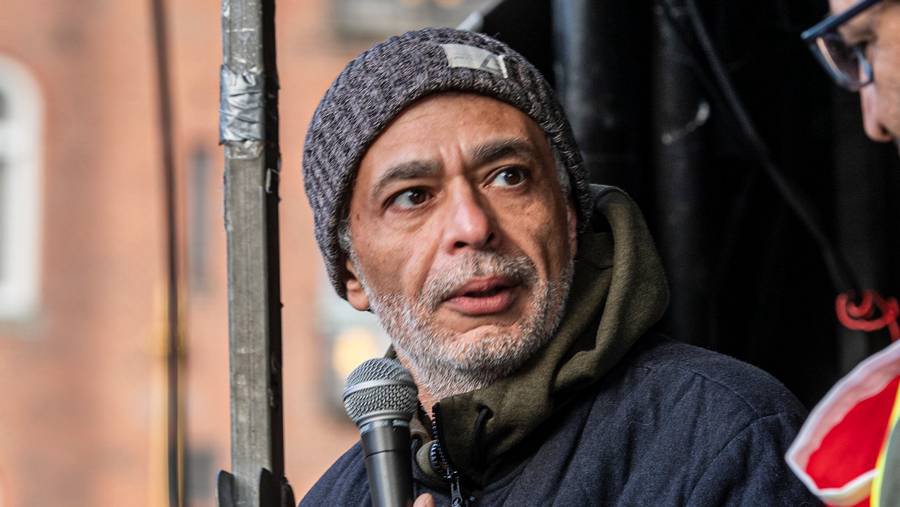
There’s been something in the air for a while now, something simmering beneath the surface of Danish media circles and the comedy scene. And now, a clear-cut answer has finally come down from the court. Jotam Confino – one of the country’s most respected and hard-hitting investigative journalists – has won his defamation case against comedian Omar Marzouk in full.
For those who haven’t been following every twist and turn, it all came down to a tweet. A tweet Marzouk put out into the world, which Confino took as an outright accusation of being a Nazi. And now, the court has sided with the journalist. Yesterday, Marzouk was found guilty and handed a fine of 15,000 kroner. But this case is about so much more than a dollar amount. It’s a marker of where the line is drawn – even for those who make a living by pushing it.
From joke to jurisprudence: What actually happened?
The story starts, as many wild ones do, on social media. Omar Marzouk, known for his sharp tongue and ability to toe the line of political incorrectness, posted a remark about Jotam Confino. I’ve seen many of Marzouk’s shows, and the man is undeniably a talented comedian, but here he got it wrong. He equated Confino’s journalistic methods with something that felt far too reminiscent of Nazi propaganda tactics.
Confino, who covers conflicts and is often on intense assignments in the Middle East, isn’t the type to let something like this slide. He’s used to digging deep and standing his ground, and he did the same here. Instead of brushing it off as just another harsh comment in the public debate, he took the matter to court. And it was a decision that divided opinions. Some cried “too easily offended,” while others – myself included – thought it was about time someone put their foot down and asked: just how far can you go when you call yourself a satirist?
The judge’s words: This wasn’t about humour
In court, a remark was made that I think many have been waiting for. The judge emphasized that Marzouk’s statement wasn’t part of a genuine satirical context. It wasn’t part of a show, it wasn’t part of a well-crafted sketch. It was a direct accusation on a public platform. And when a public figure accuses another public figure of having Nazi leanings, it takes more than just “it was a joke” to excuse it.
Jotam Confino sat in the courtroom himself, following the proceedings. I’ve spoken to people who were there, and they described him as composed but clearly affected by the process. This isn’t a man who seeks the spotlight at any cost. He’s a journalist, and at its core, this case was about credibility for him. When your professional integrity gets linked to such a historically loaded ideology, a line has simply been crossed.
- The size of the fine: 15,000 kroner. A noticeable penalty for Marzouk, but not a crippling one.
- The key piece of evidence: The tweet, which was presented in court and stripped of its “humorous” context.
- Jotam Confino’s reaction: After the ruling, he stated that it was never about the money, but about establishing what is acceptable.
What does it mean for the future?
This is where it gets really interesting. Because the ruling in this case between Omar Marzouk and Jotam Confino sends a pretty clear signal to all of us who take part in public debate. It’s not about stifling satire. We need satire, especially in times when everything gets so terribly serious. But the ruling shows there’s a difference between doing satire and smearing people with historical parallels that are a far cry from what they actually stand for.
You could say Marzouk was convicted for taking his own rhetoric one step too far. For those of us watching from the sidelines, it’s a reminder that even if you have an audience, you’re not absolved of responsibility. With his win, Jotam Confino has set a precedent. I think we’ll see fewer of those “it was just for fun” excuses going forward when statements miss the mark. Because this ruling isn’t just a judgment on a tweet. It’s a judgment on a culture where people hide behind the comedian’s hat when they’ve actually crossed the line of what’s decent.