Eid Prayer Takbeerat Count 2026: Saudi Arabia, Egypt & the Two Holy Mosques
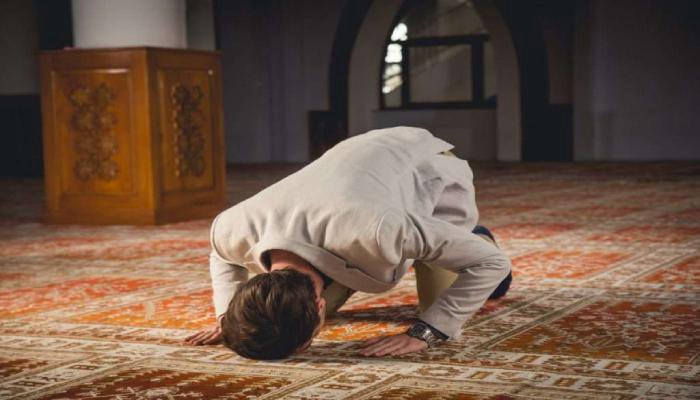
Tonight is the night of connection. After a long month of fasting and night prayers, tonight's Maghrib call to prayer is different. It's the call that marks the end of the month of the Quran and the beginning of the first day of the blessed Eid al-Fitr in 2026. Every year, as the sun sets on the last day of Ramadan, a beloved friendly debate begins among people: how many Takbeerat (saying "Allahu Akbar") are there in the Eid prayer? Seven in the first rak'ah and five in the second, or twelve? Let's clear up this confusion from the roots, as if we're standing right behind the Imam in the Grand Mosque in Mecca, hearing the Takbeerat with our own eyes.
Differences in Schools of Thought.. and Flexibility in Religion
The matter is simple, folks, and it's part of the flexibility God has granted this nation. I reached out to more than one source inside the Grand Mosque in Mecca and the Prophet's Mosque in Medina, and they confirmed that it's merely a difference in application between the schools of thought. But what's certain, as you stand for the Eid prayer, is that you'll say seven Takbeerat in the first rak'ah after the opening Takbeer (Takbeerat al-Ihram) and before reciting Al-Fatihah, and five Takbeerat in the second rak'ah after the standing Takbeer (Takbeerat al-Qiyam) and before the recitation. This is the mostly agreed-upon practice, and it's what is followed in major mosques in Saudi Arabia and Egypt.
Detailed View of the Four Schools on Takbeerat
To keep everyone happy and give each its due, let's see exactly what each school says, especially since Eid is a great opportunity to remember Islamic knowledge:
- Hanafi School: The additional Takbeerat are three in the first rak'ah (making a total of four including the opening Takbeer), and three in the second rak'ah (making a total of four including the standing Takbeer). So, the total number of additional Takbeerat is six.
- Maliki School: In their view, the additional Takbeerat are six in the first and six in the second. However, what's known in their school is that the opening Takbeer and the standing Takbeer are not included in this count. This means a total of twelve additional Takbeerat.
- Shafi'i School: This is the most famous practice in the lands of the Two Holy Mosques: seven Takbeerat in the first rak'ah after the opening one, and five in the second rak'ah after the standing Takbeer. This is the most widespread in the Arab world.
- Hanbali School: Exactly like the Shafi'i: six or seven in the first after the opening, and five in the second. They are very close.
From Inside the Holy Mosques: This is How Eid Will Be
From within the corridors of the General Presidency for the Affairs of the Grand Mosque and the Prophet's Mosque, an official confirmed to me that the plan for the Eid prayer this year 2026 is clear. The Imam will say seven Takbeerat in the first rak'ah (including the opening one), and five Takbeerat in the second rak'ah (including the standing one). This count is closest to the Prophetic Sunnah reported from the noble companions, and it helps put the worshipper at ease and enter a state of khushu' (reverence) from the very first Takbeerat.
When to Raise Your Hands During the Takbeerat?
An important question many people ask. It's best to raise your hands with each Takbeer, level with your shoulders or earlobes, and say between the Takbeerat: "Allahu Akbar kabeera, walhamdu lillahi katheera, wa subhanallahi bukratan wa aseela" (God is the Greatest, abundantly; praise be to God, much praise; and glory be to God, morning and afternoon). This is an established Sunnah of the Prophet ﷺ, and it adds beauty and spirituality to the prayer.
A Final Piece of Advice Before Eid
Don't worry too much about the difference in the count; it's all Sunnah. The most important thing is to catch the first Takbeer with the Imam. If you miss one of the first seven, you don't repeat it but rather make it up after the prayer is over. More important than the number is the presence of your heart. Go out for the Eid prayer knowing that God has decreed reward and forgiveness for you. Eid Mubarak to you all, and may God accept our and your righteous deeds.