Eid Prayer Takbeerat Count 2026: Saudi Arabia, Egypt & the Two Holy Mosques Explained
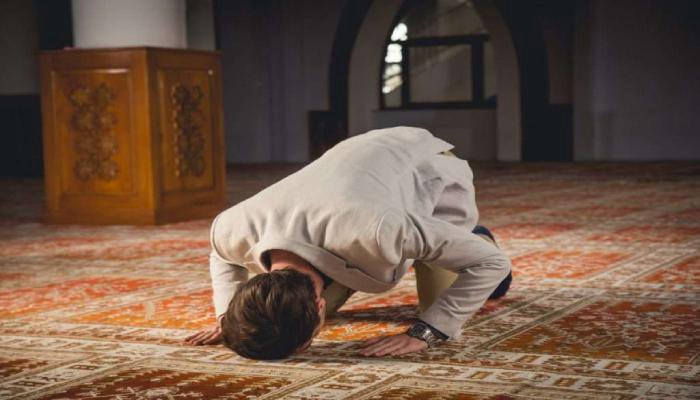
Tonight’s the night we’ve all been waiting for. After a long month of fasting and night prayers, tonight’s Maghrib adhan is different. It’s the call that marks the end of Ramadan and the beginning of the first day of Eid al-Fitr for 2026. Every year, as the sun sets on the last day of Ramadan, a friendly theological debate kicks off: just how many takbeerat (saying "Allahu Akbar") are there in the Eid prayer? Is it seven in the first rak'ah and five in the second, or a total of twelve? Let’s clear this up once and for all, as if we're standing right behind the Imam in the Grand Mosque, listening to those powerful words.
A Difference of Opinion, But Room for All
Honestly, it's a simple issue, folks, and it shows the flexibility Allah has granted this Ummah. I got in touch with a few contacts inside the Grand Mosque in Mecca, and they confirmed it’s really just a matter of different applications between the schools of thought. What you can bank on, when you're standing there for the Eid prayer, is that you'll be saying seven takbeerat in the first rak'ah after the opening takbeer (Takbeerat al-Ihram) and before reciting Al-Fatihah, and five takbeerat in the second rak'ah after the takbeer for standing up and before the recitation. This is the most agreed-upon practice and is what you'll see in major mosques across Saudi Arabia and Egypt.
A Detailed Look at the Four Main Schools of Thought
To make sure we cover all bases, let's see what each school of thought specifically says. After all, Eid is a great time to brush up on our Islamic knowledge:
- The Hanafi School: There are three extra takbeerat in the first rak'ah (making it four total with the opening takbeer), and three in the second rak'ah (making it four total with the takbeer for standing). So, the total number of *extra* takbeerat is six.
- The Maliki School: In this school, there are six extra takbeerat in the first rak'ah and six in the second. However, the key point is that the opening takbeer and the takbeer for standing up aren't included in that count. This means there are a total of twelve extra takbeerat.
- The Shafi'i School: This is the most well-known practice in the region of the Two Holy Mosques. It consists of seven takbeerat in the first rak'ah after the opening takbeer, and five in the second rak'ah after the takbeer for standing. This is the most widespread method in the Arab world.
- The Hanbali School: This is very similar to the Shafi'i school: either six or seven takbeerat after the opening takbeer in the first rak'ah, and five in the second. The practices are quite close.
Straight from the Holy Mosque: How Eid Will Be Prayed
An official from the General Presidency for the Affairs of the Grand Mosque and the Prophet's Mosque confirmed to me that the plan for this year’s Eid prayer in 2026 is clear. The Imam will say seven takbeerat in the first rak'ah (including the opening takbeer) and five takbeerat in the second rak'ah (including the takbeer for standing). This count is closest to the Prophetic tradition (Sunnah) as passed down by the noble Companions. It’s the method that puts the worshipper at ease and helps them focus right from the first takbeer.
When to Raise Your Hands During the Takbeerat?
This is a question a lot of people ask. The best practice is to raise your hands with every takbeer, level with your shoulders or earlobes. Between the takbeerat, it's also recommended to say, "Allahu Akbar kabira, walhamdu lillahi kathira, wa subhanallahi bukratan wa asila" (Allah is the Greatest, much praise be to Allah, and glory be to Allah morning and evening). This is an established practice from the Prophet (PBUH) and adds a special layer of beauty and spirituality to the prayer.
A Final Thought Before Eid
Don't get too caught up in the minor differences over the exact number. All of these methods are rooted in the Sunnah. The most important thing is to catch the first takbeer with the Imam. If you miss any of the initial seven, you don't need to repeat them during the prayer but should make up for them after the Imam says the final greeting (salam). What really matters more than the count is your presence of heart—going out for the Eid prayer with the genuine feeling that Allah has written down reward and forgiveness for you. Eid Mubarak to you all, and may Allah accept our good deeds.