Beyond the Kitchen: Remembering Anthony Bourdain’s Unfiltered Travels and Timeless Quotes
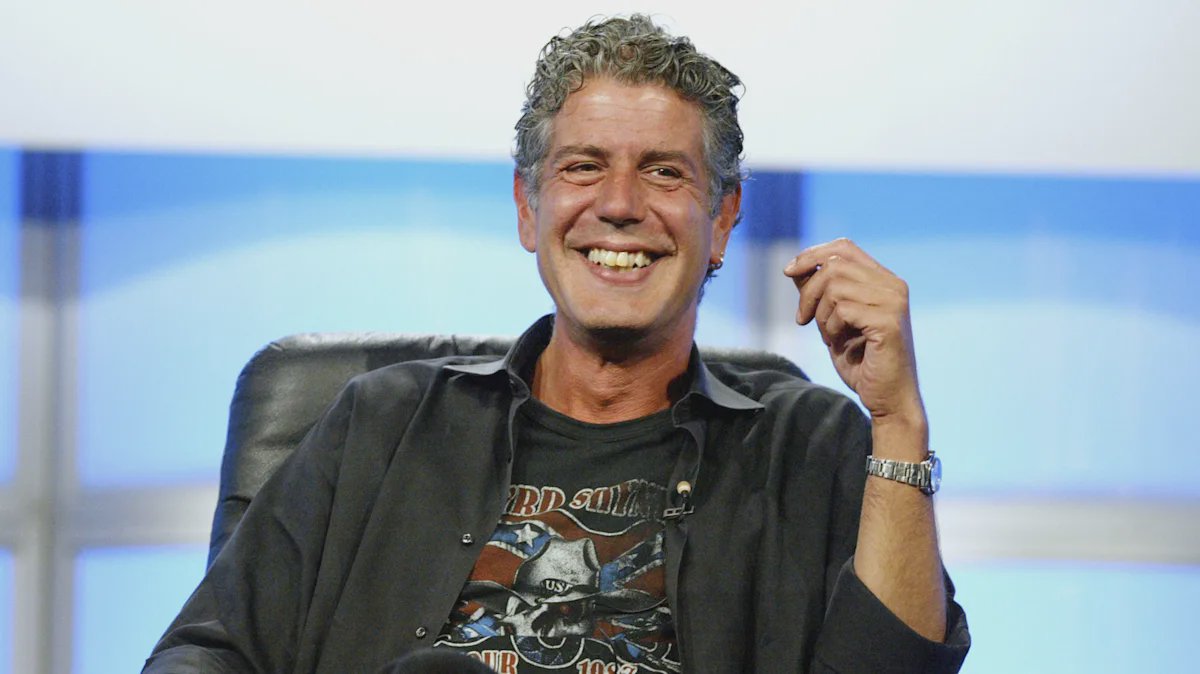
There are chefs, and then there are storytellers who just happened to cook for a living. Anthony Bourdain was the latter—a gritty poet who used food as an excuse to dive headfirst into the world’s most complicated, beautiful, and often contradictory corners. Years after his passing, his voice hasn’t faded. If anything, it’s only grown louder. We still hear him in every smoky late-night kitchen, every crowded noodle stall in Southeast Asia, and every argument about why Anthony Bourdain: Parts Unknown wasn’t just a travel show—it was a masterclass in humanity.
The Man Who Ate the World
Bourdain didn’t just visit countries; he inhabited them. Whether he was sharing a meal with President Obama in Hanoi or tearing into a whole roasted goat in the mountains of Sardinia, he had a gift for making viewers feel like they were sitting right there at the table. His earlier series, Anthony Bourdain: No Reservations, set the tone: irreverent, curious, and unafraid to get his hands dirty. He turned the travel documentary into an art form, proving that the best way to understand a culture isn’t through monuments or museums—it’s through what people eat and how they talk about it.
Quotes That Cut to the Bone
Ask anyone to recite a favourite Anthony Bourdain quote, and you’ll get a dozen different answers. That’s because the man had a way with words that made you stop scrolling and actually think. “Travel isn’t always pretty. It isn’t always comfortable. Sometimes it hurts, it even breaks your heart. But that’s okay. The journey changes you—it should change you.” That line from Parts Unknown has become a mantra for a generation of wanderers. He was brutally honest about the lows as much as the highs, which is exactly why we trusted him.
The Places That Shaped Him
Bourdain was famously loyal to certain spots, the kind of joints that felt like home no matter where he was in the world. San Francisco’s House of Prime Rib was one of them—a classic, no-nonsense temple to beef and martinis that he championed for years. He loved the ritual, the dark wood, the cart wheeled to your table. It represented everything he admired: tradition, craftsmanship, and zero pretension. On the flip side, he had little patience for the generic. He once dismissed the whole concept of a sprawling buffet chain as the culinary equivalent of a soulless airport lounge—a place where food goes to die. He craved authenticity, even when it was messy.
His Favourite Haunts (According to Tony)
Over the years, Bourdain name-dropped restaurants the way some people drop song lyrics. Here are a few he repeatedly went back to—places that defined his map of the world:
- Le Bernardin (New York City): He revered Eric Ripert as a brother and a chef, and this temple of seafood was their sacred ground.
- St. John (London): The nose-to-tail pioneer that made offal cool again. Bourdain called it one of the most important restaurants in the world.
- The French Laundry (Yountville): He had a complicated relationship with fine dining, but Thomas Keller’s flagship earned his deepest respect.
- L’As du Fallafel (Paris): His go-to in the Marais for a perfect pita after a long night.
- Au Pied de Cochon (Montreal): A glutton’s paradise where foie gras meets poutine—pure Bourdain.
These weren’t just eateries; they were chapters in his ongoing story.
The Lasting Bite
In his memoir, Kitchen Confidential: The Adventure (and really, all his writing), Bourdain laid bare the highs and horrors of a life spent in restaurants. He wrote about the camaraderie, the addiction, the crushing pressure, and the pure joy of feeding people. That honesty is why his work still resonates. You can fire up any episode of Parts Unknown today and it feels as fresh as the day it aired—because the questions he asked about culture, conflict, and connection haven’t gone away.
Anthony Bourdain reminded us that the world is worth engaging with, even when it’s uncomfortable. He gave us permission to be curious, to be skeptical, and to always save room for one more bite. And that’s a legacy no one can take off the menu.