NPR's Hidden Gems: From a Water-Powered Economy to 'The Frozen River' and 'A Marriage at Sea'
There’s a reason I’ve been glued to a certain public radio institution for the better part of two decades. Just when you think you’ve got the world figured out, a story comes along that rewires your brain. This week, it happened twice: once while driving through rush hour, and again while curled up with a stack of advanced reader copies.
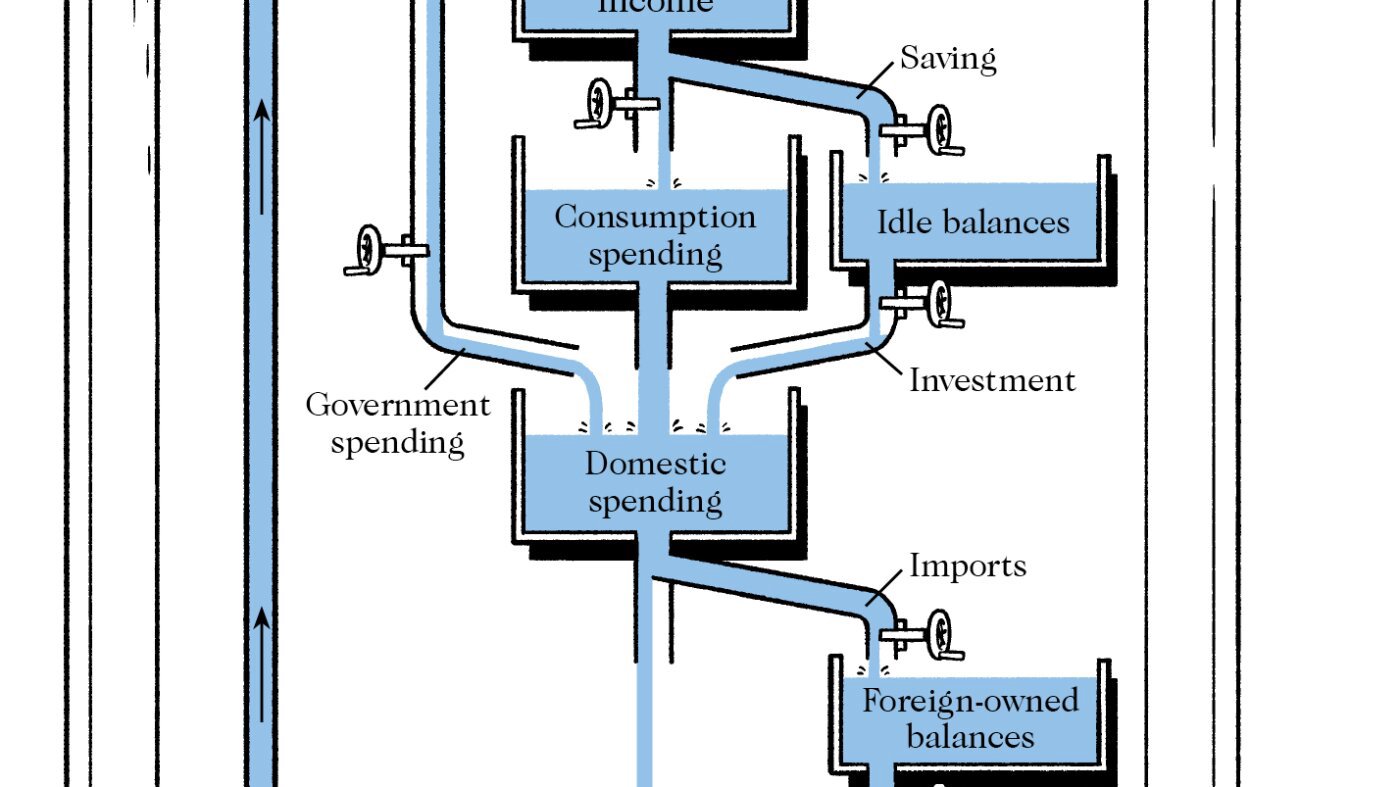
Let’s start with the episode that made me pull over to scribble notes. You’ve heard of supply and demand, maybe even the Phillips Curve. But have you ever seen a working model of the economy built from tanks, pipes, and flowing water? Back in 1949, a quirky New Zealand engineer named Bill Phillips did exactly that. He wasn't an economist. He was a guy who loved hydraulics. And his MONIAC (Monetary National Income Analogue Computer) used coloured water sloshing through plastic tubes to simulate how money circulates—spending, saving, taxing, all of it. The Federal Reserve even bought one. Hearing a deep-dive segment break down how a leaky valve could trigger a “recession” in that little machine… man, it makes you realise economics isn't a dry textbook subject. It’s plumbing. Bad plumbing can crash an entire system.
But here’s the thing about that same public radio network that I’ve never found anywhere else: they’ll follow a story about a 1940s water computer with a book recommendation that ruins your sleep (in the best way). And this spring, the lineup is absolutely stacked.
Three Books That Demand Your Attention Right Now
First up, The Frozen River. Don’t let the title fool you—this isn't some slow-burn literary exercise. It’s a riveting drama inspired by a real heroine, and I’d call it a must-read tale of courage and heart even if my editor wasn't watching. Set in 18th-century Maine, it follows a midwife who becomes the sole witness to a murder. The way the author writes about ice, childbirth, and frontier justice… you can feel the frost on your neck. I finished it in two nights.
Then there’s the strangest true story I’ve read in years: A Marriage at Sea: A True Story of Love, Obsession, and Shipwreck. Two people, a sailboat, and a Pacific crossing that goes so wrong you’ll want to yell at the pages. The “love” part is complicated. The “obsession” part is terrifying. And the shipwreck? Let’s just say I’m never complaining about a delayed flight again. What makes it sing is the audio diary excerpts—you hear the couple’s voices break as things unravel. A weekend broadcast segment ran a clip last Saturday, and my wife walked into the kitchen asking why I was just staring at the toaster.
- The Raven Scholar: If you miss the brain-teasing puzzles of The Name of the Rose mixed with a cutthroat academic competition, this one’s for you. An eccentric scholar, a deadly contest, and a mystery buried in ancient texts.
- The Compound: Claustrophobic, paranoid, and brilliant. A family locks themselves in a bunker after a vague “event,” and you slowly realise the biggest threat isn't outside the blast doors. It’s at the dinner table.
Why This Mix Only Works on Public Radio
You won’t find Bill Phillips’ waterlogged economics next to a review of a shipwreck memoir on any other platform. That’s the secret sauce. One minute you’re learning how a Kiwi used gravity to model inflation; the next, you’re gripping your steering wheel listening to a woman describe watching her partner drift away on a life raft. It’s the same voice, the same calm delivery, but your brain is doing backflips.
So do yourself a favour. Queue up that deep-dive economics episode about the MONIAC. Then go find The Frozen River. And if you see me at a coffee shop squinting at a page about a doomed sailboat, just nod. You’ll understand.