Guillaume Musso’s new novel storms the charts and captivates readers
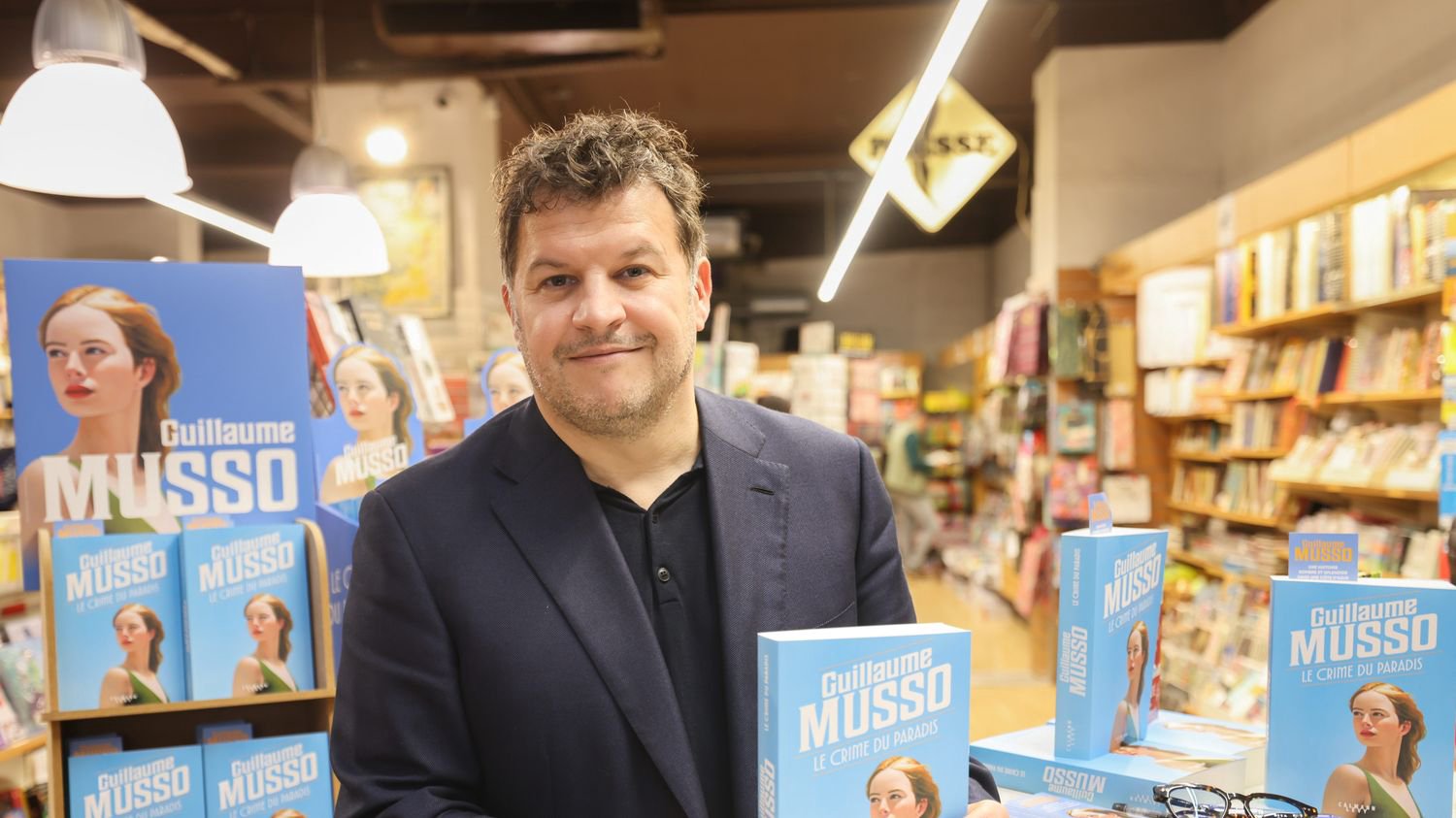
It only took Guillaume Musso a few days to reclaim his spot as the undisputed king of French bookshops. With his latest thriller, Le Crime du Paradis, the Nice-born writer makes a thunderous comeback, snatching the top spot on the bestseller lists and sweeping aside the competition of the new book season. In the queues for his signings, you'll find long-time female readers alongside newly converted fans, all gripped by this new instalment in which the author, so they say, pays a heartfelt tribute to the Queen of Crime. Behind the scenes, passionate booksellers admit they haven't seen such hype for a psychological thriller in years.
A spot-on tribute to Agatha Christie
The tone is set from the very first reviews. Those lucky enough to get early copies are talking about an immaculately crafted plot, a genuine 'in the style of Agatha'. It has all the hallmarks of a Musso novel: a razor-sharp plot, murky characters, and that unique ability to keep you guessing until the very last page. But what really stands out this time is a touch of class, almost a nod to his own storytelling roots. It's not like he's a novice, of course: millions of readers worldwide have already devoured Sauve-moi or La Fille de papier, and his books are gold dust in Germany, where Ein Wort, um dich zu retten (the German version of one of his masterpieces) is still available as an audio edition, including on CD for the purists.
What makes Musso so close to his audience is also his quietness mixed with a familiar presence. A few days ago, on the radio, he confessed to having resurrected the figure of his great-grandfather to crack a case in his story. When I was little, he said, he was the symbol of the hero with a short life. This family introspection gives his thrillers an almost visceral depth.
From Juan-les-Pins to paradise: the local connection
Guillaume Musso's influence extends far beyond the bookshelves. Take, for example, the Guillaume Musso Public Primary School (formerly Juan-les-Pins Gare). Yes, in his own lifetime, the writer has had a school named after him. The kids there learn to read, some with his youth novels, and might already dream of becoming the next masters of suspense. It just shows how much he's become part of the cultural landscape, even etched into the fabric of the nation.
And as if writing alone couldn't contain his universe, some of his phrases travel and find new life on other mediums. Recently, the quote "You'll stop causing harm when you stop hoping" was featured on a stretched canvas artwork by Guillaume Musso for the Astoria Grand brand. A way to see his words hung on walls, like an echo of his unputdownable books. Between the novels, the school, and the art object, Musso is patiently building a small empire of paper and sensibility.
What makes Musso so successful is a simple but devilishly effective recipe:
- Plots you just can't put down, blending suspense and emotion.
- Characters who are deeply human, often haunted by their past.
- A knack for pacing and twists that keeps the reader hooked until the very last line.
A phenomenon that's not letting up
A few weeks out from spring, the sales figures are dizzying. Le Crime du Paradis has literally swept the charts, bumping the heavyweights down to runner-up spots. This comes as no surprise to those who've followed his career since Et après...: every release is a major event. Readers know that with him, they're in for a gripping and emotional ride. Industry insiders are even talking about exceptional print runs to meet the demand from bookshops, which are having to restock their shelves daily.
So, if you haven't read it yet, get yourself to a bookshop. But be warned: once you're immersed in Le Crime du Paradis, you might be in for a few sleepless nights. And if you bump into Guillaume Musso at a signing, don't forget to ask him what he's still hoping for. Maybe he'll answer you, with that enigmatic smile of his: "You'll stop causing harm when you stop hoping."