Saudi Arabia Orders Iranian Military Attaché and His Team to Leave Riyadh: What Happened Behind the Scenes?
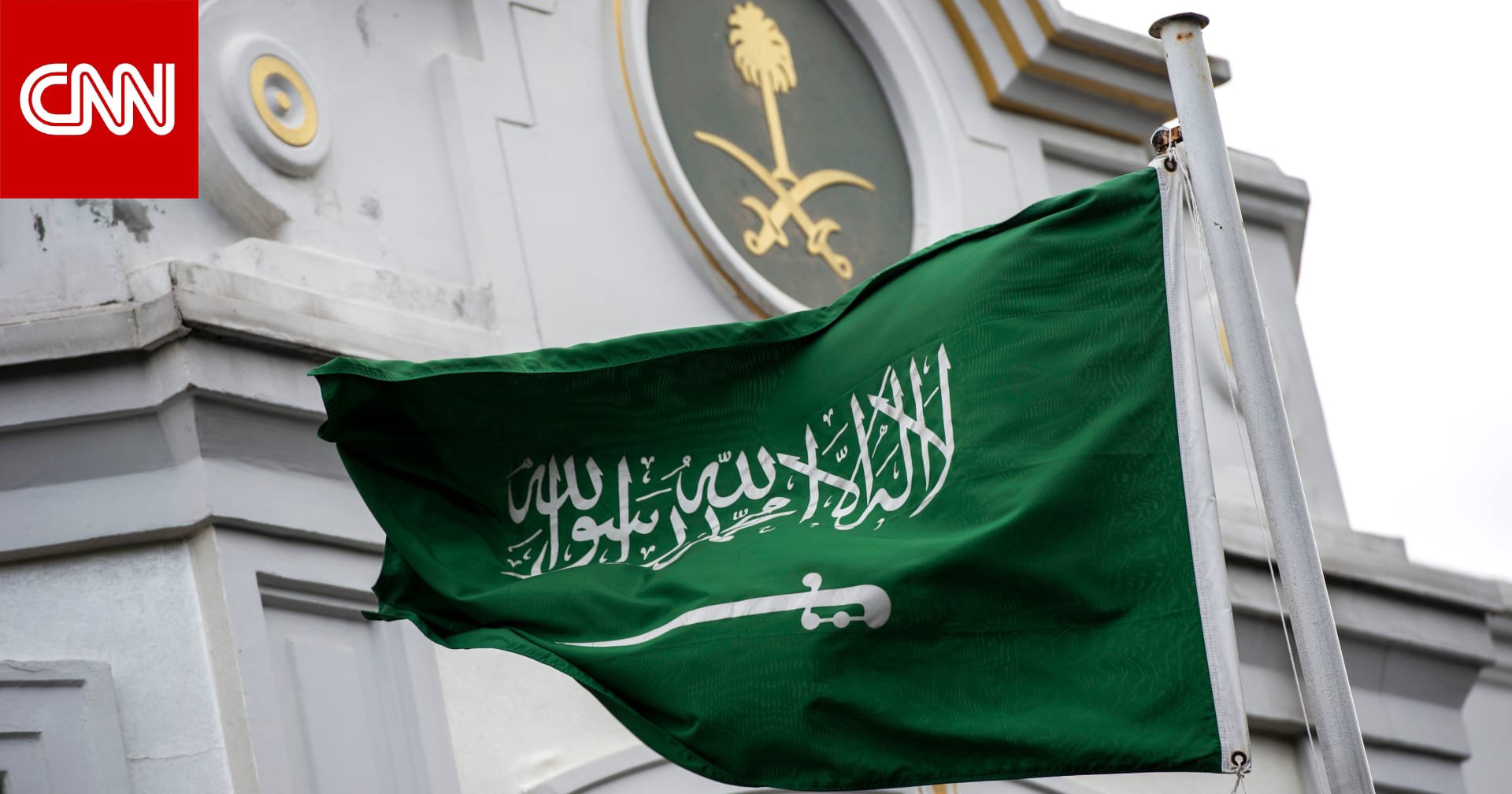
Folks, what went down in Riyadh today is no small, passing incident that we can just gloss over. The official decision to ask the Iranian military attaché and several embassy staff members to leave speaks volumes. It signals that things have reached a point beyond patience. As someone who has followed the region's political landscape for over two decades, I can tell you this move isn't just "diplomatic protocol"—it's a stark, unambiguous message.
What Exactly Happened? It's More Than Just a Routine "Review"
The chatter in diplomatic circles over the past few days has revolved around unusual behavior and activities from the other side. Many are wondering: why was the Iranian military attaché asked to leave? Simply put, activities inconsistent with his declared role were observed. This isn't the first time we've heard of something like this, but the difference today is that the decision was swift and decisive, serving as a clear guide for everyone: "Red lines exist and are taken seriously."
The matter didn't stop with the military attaché alone; it also involved members of the delegation. This indicates that the security assessment was thorough and comprehensive. In short, it was a full-scale review of conduct and performance, which led to a single, definitive conclusion.
Why Now? Reading the Timing
Personally, I believe the timing here is highly significant. We are in a phase where relations between Riyadh and Tehran have seen efforts to calibrate the rhythm, but it seems some parties are still operating on old playbooks. Today's decision reaffirms a core principle: "Neighbors are respected," but that respect doesn't mean it's a free-for-all without rules. What happened is essentially a lesson in "how to use the role of a military attaché" the right way—or, rather, a warning that any deviation from the agreed-upon path will be met with an immediate response.
Observers will notice that Riyadh is acting like a savvy state that knows the difference between protecting major interests and allowing transgressions to slide. Major relationships require mutual respect on the ground, not just in press releases.
- Message one: National sovereignty is a red line. No one is above the law.
- Message two: Successful diplomacy requires credibility and adherence to agreed-upon standards of conduct.
- Message three: Saudi national security is non-negotiable, and vigilance remains constant.
In the end, I see this step as necessary and well-timed. Being firm from the start is far better than dealing with consequences after it's too late. Anyone who understands politics knows that such measures are built on tangible realities and are taken to protect hard-won gains. We'll wait and see how Tehran actually responds, but one thing is certain: Riyadh has made its position crystal clear, and we'll see how it all unfolds in the coming days.