Bill Clinton Under Scrutiny: What the Epstein Testimony Reveals About Power, Networks, and the New Political Reality
The nine hours of video released by Congress over the weekend are more than just a political power play. For those of us who have followed American politics for decades, it's a rare glimpse behind the curtain of what happens when the government decides to put a former president on the spot. Bill Clinton is no longer just an elder statesman with his Clinton Foundation and a roster of speaking engagements. He is once again the central figure in a political drama with the potential to reshape the entire narrative surrounding the Epstein case.
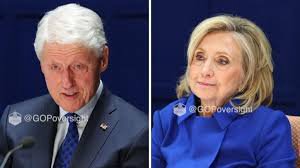
The Shadow of Impeachment and Clinton's Defense
Let's take a step back. The whole thing started as a classic political feud. Republicans on the House Oversight Committee, led by James Comer, subpoenaed Bill Clinton. At first, he refused, and for a moment, it smelled like impeachment. But Bill Clinton is a veteran. He knows that being held in contempt of Congress is bad for business, even for someone who has been through an impeachment trial before. So, he showed up in Chappaqua, New York, on February 27th, and sat for hours answering questions about Epstein, the flights, and what he knew.
He was clear on one thing: he claimed to know nothing about the crimes. He admitted to the friendship and the collaboration, especially for the Clinton Foundation in the early 2000s, and confirmed he flew with Epstein – something long known in closed circles. But he denied ever being on Epstein's island, and he denied seeing anything illegal. His defense was classic Clinton: "I was there, but I didn't see anything, and I cut ties long before it was revealed what kind of monster he was."
"The Clinton Affair" – More Than Just Politics
What makes this more than just a tedious hearing are the visual details that are now out. We're talking about photos that have been sitting in archives for years but are now part of the official evidence picture. One of the most discussed sequences was a photo from a hot tub, taken at a time when Bill Clinton was visiting Epstein. According to my sources in Washington, the room went ice-cold when that image was presented.
- The Hot Tub Photo: The image shows Bill Clinton in a hot tub with a young woman, partially redacted. His response was that he didn't recall that specific situation and that he never had an inappropriate relationship with her.
- Epstein's 17 White House Visits: He could do little but confirm what has long been known in intelligence circles: that Epstein visited the White House a full 17 times during his presidency. It's hard to argue these were just superficial acquaintances.
- 27 Flights: The number of trips on Epstein's plane, often called the "Lolita Express," was also a fact presented in the room. He insisted these trips were exclusively for humanitarian work and foundation fundraising.
There is no evidence that Bill Clinton committed any crimes, that must be said. But the network, the relationship of trust, and the amount of time spent with a convicted sex offender are uncomfortable. And for a man who survived impeachment in the 90s, it's an uncomfortable echo.
The Double Standard and Playing the Trump Card
This is where the dirty strategy comes in. Democrats present at the hearing used the opportunity to turn the tables. They demanded that Donald Trump also testify. And they have a point. Trump himself has claimed he broke with Epstein years ago for moral reasons. But Bill Clinton testified that Trump told him the split was actually over a real estate dispute, not morals. This was a political gift that leaked from the room within hours. It undercuts Trump's own narrative and shines a spotlight on the fact that both sides had close ties to the financier.
The entire hearing feels like a political zero-sum game where no one wins, but everyone bleeds. Hillary Clinton, who testified the day before, nearly stormed out after a committee member leaked a photo from the closed session. She called it "typical behavior" and "political theater" – and she has a point. It's a circus-like way to conduct an investigation, but it also reveals the deep-seated distrust in Washington.
What Does This Mean for the Business Elite?
For those of us who analyze markets and power, one thing is clear: Networks are no longer an innocent asset. In 2026, associations are a liability. Bill Clinton built his post-presidential life on his network – speeches, foundations, connections. But the Epstein case has put every single link, every flight, every meeting under a microscope. This creates enormous uncertainty for wealthy players who have traditionally sought proximity to power. Who will want to be associated with whom?
We are already seeing the outlines of a new era where "due diligence" isn't just about auditing books, but about digging through old passenger manifests and photographs. It's a costly and time-consuming process, but absolutely necessary. Companies and foundations that don't take this seriously risk being dragged into the spotlight.
Ultimately, Bill Clinton's testimony is about more than just one 79-year-old man's past. It's about whether the American power elite can continue to operate with one set of rules for themselves and another for everyone else. And for now, it looks like the bottom is still a ways off.
The only thing that's certain is that this story will keep resurfacing in the news, like a political boomerang, just when you least expect it.