Complete Guide to the 2026 Youth Allowance: How to Use It & Real Reviews
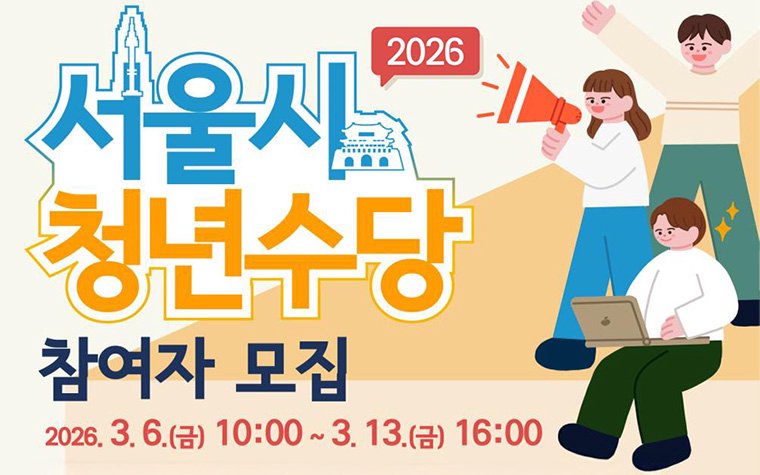
If you're a young adult living in Seoul, the hottest topic right now has to be the 2026 Youth Allowance. Right on schedule, applications opened in March. You've probably already heard people asking, "Did you apply?" or "How exactly does it work?" It's true—when you actually sit down to apply, the requirements can seem a bit tricky, and even if you get it, figuring out the best way to use the money can be a head-scratcher. As someone who's been around this block for a while, let me break down everything you need to know about this year's Youth Allowance. From the application process to honest reviews from people who've actually used it, we've got you covered.
What's New with the 2026 Youth Allowance?
The big news this year is that they're supporting a total of 21,000 young people. That's a decent increase from last year, meaning more of us can benefit. The allowance gives you 500,000 KRW per month for up to six months. Do the math, and that's 3 million KRW. No question, it's a huge help for job hunting or leveling up your skills. The application window is March 4th through the 20th. It's already open, so if you haven't applied yet, you need to get on it. Deadlines sneak up fast.
Am I Eligible to Apply?
There are a few boxes you need to tick to apply. It might seem like a lot, but if you go through them one by one, it's simpler than you think. Basically, you need to be a young adult aged 19 to 34 and live in Seoul. You also have to meet the income and asset criteria. Your household income needs to be at or below 150% of the median income, and your total assets must be under 260 million KRW. Since the exact numbers change depending on your household size, it's a good idea to do a quick simulation on websites like Government 24 or the Youth Info Hub (청년몽땅정보통). You can apply if you're a college (or grad school) student, on a leave of absence, job hunting, or even if you're working but are a short-term contractor or freelancer. Just be thorough—full-time employees or business owners are generally not eligible, so double-check the rules.
How to Apply: It's Easier Than You Think
You've got two ways to apply: online or in person. Most people handle it quickly online.
- Apply Online: Head over to the Youth Info Hub (청년몽땅정보통) or the Seoul Youth Portal. Just sign up, verify your identity, and fill out the application. Most of the required documents are pulled automatically, but it doesn't hurt to have them ready just in case. The first day of applications can get pretty crowded online, so if the servers seem slow, try avoiding the morning rush or apply on a less busy day during the application period.
- Apply In Person: If online isn't your thing, you can visit your local community service center (동주민센터). It's smart to give them a call first to check their hours for applications and what you need to bring. Make sure you have your ID and any relevant documents.
How to Use the Youth Allowance: The Lowdown
This is what everyone's curious about: how to actually use the Youth Allowance. Here's the deal: the money is paid out in cash. It lands in your bank account, and there aren't a ton of strict rules on where you can spend it. But, the key is to use it for what it's intended for. Most people put it towards job-hunting expenses. For example:
- Self-Development: Paying for language courses, certification exam fees, or online classes.
- Job Prep: Buying a suit for interviews, getting professional headshots, printing resumes, or paying for career consulting.
- Living Expenses: Helping with transportation, food, or housing costs.
Sure, some people might wonder, "Can I just use it as pocket money?" But let's be real, this is financial support meant to help you with your career and future planning. Remember, using it wisely is an investment in yourself.
Real Talk: Honest Reviews of the Youth Allowance
Let me share some honest feedback I've heard from people who've gotten the allowance. The general vibe is that it was a huge help for their job search. I know one friend who used it to buy a suit, which took a lot of stress off because buying new clothes for every interview was getting expensive. Another friend had been putting off studying for a certification test for months, but the allowance finally let them sign up for a class—and they passed! On the flip side, some people said they weren't sure what to spend it on after getting it, or they were a little disappointed that it just went toward everyday living expenses. Still, the overwhelming consensus is "I'm glad I applied." Beyond the money itself, it really makes you think about what you can achieve with that support.
Important Things to Know Before You Apply
Here are a few easy-to-miss points to keep in mind. First, applying doesn't guarantee you'll get it. There's a selection process. After you apply, they'll review your documents and might ask for an interview or additional proof. Second, never submit false documents or try to cheat the system. If you get caught, you'll have to pay back the money and could be banned from other government programs in the future. Third, you might need to keep track of your spending for a while. They could ask for receipts or proof of how you used the money, so hang onto those records. Finally, it takes time to hear back after you apply. If you're selected, the payments usually start the following month. Try not to stress while waiting—use that time to plan how you'll use the funds.
This is Your Chance, Don't Miss Out
Applications are open until March 20th, so there's not much time left. 21,000 spots might sound like a lot, but competition is still real. Even if you're on the fence about whether you qualify exactly, I'd say go ahead and apply. It's better to think, "I'm going to go for this opportunity," rather than assume it won't work out. And if you know a friend who hasn't heard about this yet, definitely share this article with them. As someone who's been in your shoes, I hope this helps all of us young people take one step closer to a better future.