US THAAD Interceptor Takes Down Iranian Missile Attack on UAE: The Final Moments Before the Blast in Abu Dhabi's Skies
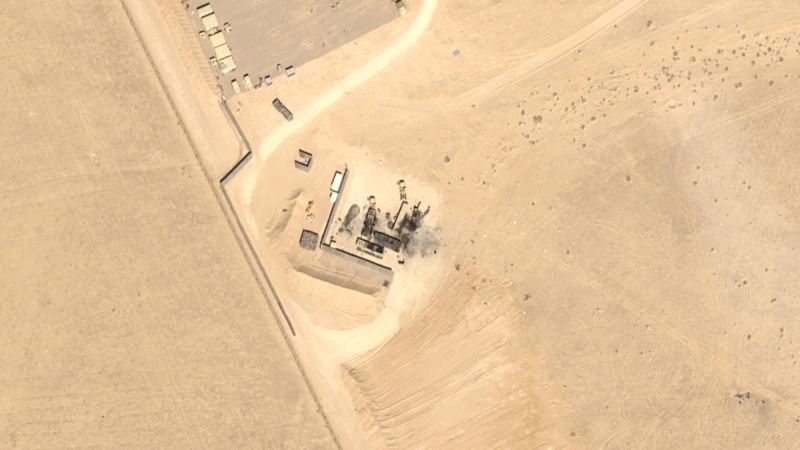
The skies over Abu Dhabi were clear, but the atmosphere in the region was charged with more than just dust. On that night in late February, residents of the capital had no idea they were in for a real-world test of the most advanced air defence system in the region. The Iranian missiles had already been launched, and within minutes, radar screens at Al Dhafra Air Base were plotting the trajectory of incoming fire from deep within Iranian territory, heading straight for the heart of the UAE.
The Moment of Truth: THAAD in Action
This wasn't the first time the nation faced ballistic threats, but it was certainly the most serious. The missiles were targeting Al Dhafra Air Base, which hosts the US Air Force's 380th Air Expeditionary Wing, one of the most critical operation hubs in the Middle East. The scene was set for a potential disaster, if not for a last-minute intervention. The THAAD system deployed in the UAE, which arrived as the first foreign military sales deal for the system a decade ago, locked onto the target. In what witnesses described as a "sudden flash in the sky," two interceptor missiles struck the incoming projectiles, destroying them mid-air before they could reach any vital asset.
The Watchful Eye: The AN/TPY-2 Radar
What happened that night wasn't a stroke of luck, but the result of years of technological integration. The heart of the system, the AN/TPY-2 radar, is the real unsung hero. This advanced X-band radar, capable of tracking small objects up to 2,000 kilometres away, was operating in "forward-based" mode. It sensed the missiles the moment they launched, distinguished them from thousands of other signals in the air, and guided the interceptors with microscopic precision. The data it fed to the THAAD system allowed it to make the interception decision in a split second – literally "before the target even began to manoeuvre."
Washington Moves: Unspoken Support
Days after the incident, Commander of US Central Command, General Kenneth McKenzie, revealed striking details. It wasn't just about the successful intercept. During his visit to the UAE, he confirmed that Washington is working on another layer of protection: the "Left of Launch" strategy, which means striking drones and missiles before they are even fired. In other words, shifting from passive defence to tracking down the threat at its source. He added that Washington swiftly deployed the guided-missile destroyer USS Cole, equipped with ballistic intercept systems, along with a squadron of F-22 fighters to help defend the skies. This isn't just military support; it's a clear message that the UAE's security is a red line.
Was the THAAD Radar Destroyed? Reading Into the Iranian Claims
Of course, as is often the case, counter-narratives emerged from the Iranian side. The Iranian Revolutionary Guard claimed in a statement that a precision missile from its Aerospace Force completely destroyed the THAAD radar in the Al Ruwais area. But the situation on the ground suggests otherwise. The system continued operating and intercepted other targets after that date, and with no official US or UAE confirmation of the radar being out of commission, these claims ring hollow as propaganda. The real-world test proved that the UAE's air defence systems, with American support, remain fully operational.
Beyond the Missile: The Peace Deal with North Korea and Deterrence Calculations
In a related context, this incident reopens a much broader issue: American missile defence and its link to global peace. The reports coming out of Washington about "acquiring the initial THAAD model" aren't just technical news. Some see the system's success in the UAE as a major boost for proponents of "peace through strength." In fact, some analysts are drawing a line between the effectiveness of US missile defence systems and the potential to revive peace talks, even with staunch adversaries like North Korea. The idea is simple: if THAAD can protect Washington's Gulf allies from a barrage of Iranian missiles, why can't these systems be developed to deter other threats and force serious negotiation at the peace table?
The recent strikes on Iranian targets in the Indian Ocean and the sinking of the frigate IRIS Dena prove the equation has changed. Iranian warships are no longer safe in international waters, and missiles can no longer easily penetrate the skies of Abu Dhabi. As one military official put it: "We are watching every missile, every drone, before it even thinks about taking off."
The Bottom Line: What Does This Mean for the Region?
The situation today is different from what it was a month ago. The key changes can be summed up as follows:
- Proven Effectiveness: The THAAD system has passed a real combat test, boosting allied confidence in the platform.
- Conflict Expansion: Attacks are no longer confined to the Gulf, having reached Cyprus and the Indian Ocean.
- Iranian Attrition: Continued US strikes have destroyed a significant portion of Iran's naval and missile capabilities.
- Stronger Alliance: Military cooperation between the UAE and the US has reached unprecedented levels of field coordination.
Ultimately, the situation in the region remains fluid with all possibilities on the table. But what happened in the skies over Abu Dhabi just days ago will be studied in military academies for years to come as a model of how deterrence works. The eye of the radar never sleeps, and behind it, watchful eyes remain fixed on the security of this land.