Drone Community Buzzes as DJI Avata 360 Clears Approval, NASA Tests New Systems, and Texas Passes New Drone Laws
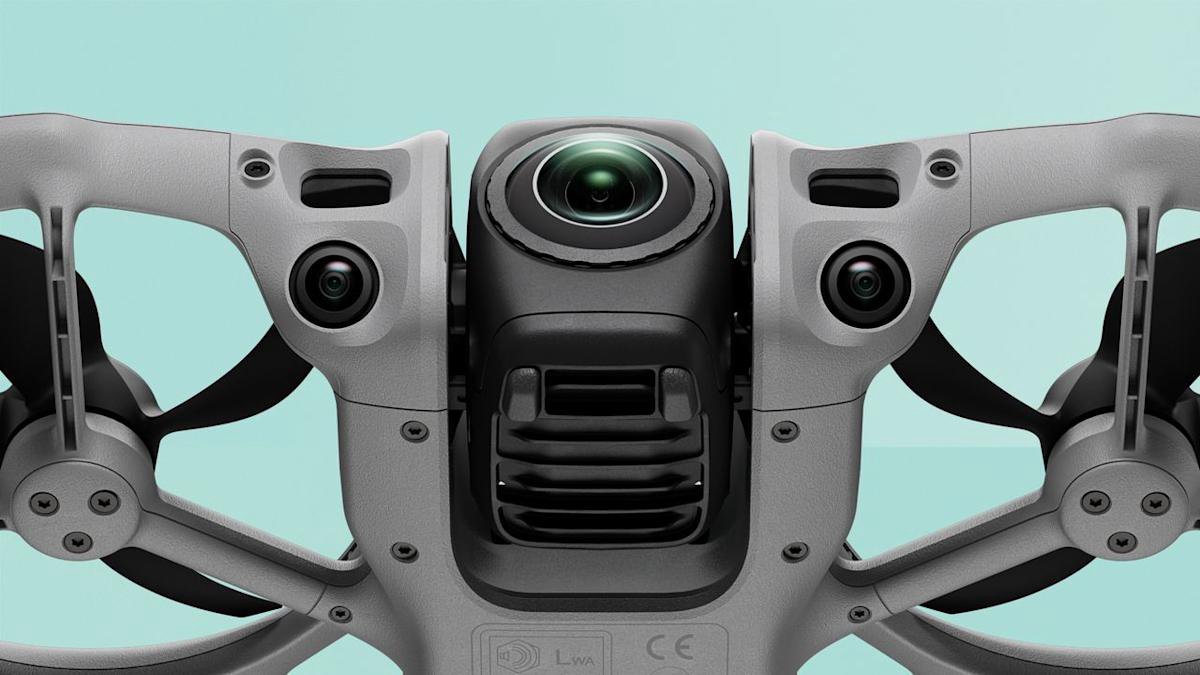
If you're in any drone groups, your chats have probably been blowing up the past few days. I've been getting non-stop messages asking, "Is that rumoured Avata 360 actually happening?" I was about to brush it off as another annual rumour, but then the official approval database got updated. It's real this time. In my ten years covering the drone market, once the documents are there, it's basically a countdown. It's not a matter of *if* it launches, but *when*.
Approval Docs Leak: A Look at the Key Specs
While the leaked documents don't reveal every single spec, the model number and circuit board layout tell industry veterans most of what they need to know. This new model, tentatively called the DJI AVATA 360, is clearly a major upgrade from the original Avata. The biggest highlight has to be the new 1/1.3-inch sensor. This means low-light performance should be a massive step up. And if it really supports 4K at 60fps or even slow-motion recording, it's an absolute dream for anyone who loves capturing dynamic, fast-paced footage.
- Image Quality Upgrade: A new-gen sensor promises significantly better night shots and dynamic range, marking the end of the era where FPV drones meant "good enough" image quality.
- Transmission System: It's almost certain to feature O4 (OcuSync 4.0) transmission tech. We're talking lower latency, longer range, and crucial interference resistance in complex environments.
- Battery Life: The leaked battery bay design suggests a larger capacity than before. If it can deliver 15-20 minutes of aggressive flight time, it'll be seriously competitive.
NASA Joins the Game? There's a Bigger Picture Here
If you think this is just about a new drone launch, you're missing the bigger story. At the same time, NASA is conducting the next phase of NASA Drone Testing with top drone manufacturers. This isn't just routine testing. They're simulating "future urban air mobility" scenarios. In simple terms, it's figuring out how our flight control systems will communicate with official management systems when there are thousands of drones and eVTOL air taxis in the sky.
As the market leader, DJI is sure to integrate its latest validated tech into the Avata 360. I'd bet that the flight control firmware on this machine already includes the interface to connect with NASA's UTM (Unmanned Aircraft System Traffic Management) system. This isn't a conspiracy theory; it's what every major tech company does—ensure hardware readiness so it can seamlessly adapt once regulations are in place.
Texas Clarifies Drone Law: Actually a Good Thing for Hobbyists
When many drone enthusiasts saw the news that Texas Clarifies Drone Law, their first reaction was probably, "Oh no, more restrictions?" Actually, it's the opposite. The new law in Texas helps define clearer boundaries. Before, laws were vague, giving authorities room to hassle you. This new law clarifies flight rights regarding "private airspace" and specifies when law enforcement can step in.
This is also a significant indicator for us in Singapore. When a major market like the U.S. clarifies its rules, moving away from blanket "safety hazard" accusations to concrete rules like "altitude limits" and "no-fly zones," it paves the way for healthier industry growth. Simply put, manufacturers are willing to invest in products like the Avata 360 because they see regulations becoming more transparent, pointing to a larger future market.
The Final Piece of the Puzzle Before Launch
Putting together the signals from the past few days: Drone News: FCC Approval For Avata 360 confirms the hardware is ready for sale. NASA Drone Testing ensures the tech is future-proof for the skies ahead. Texas Clarifies Drone Law clears up regulatory uncertainty. Three major developments hitting at the same time is no coincidence.
For anyone on the fence about diving into FPV drones, my advice is simple: get your wallet ready. The Avata 360 isn't just about packing in the latest hardware; it represents a turning point for the industry, moving from its "wild west" days toward mainstream, regulated use. In the past, FPV pilots were seen as a niche group operating in a grey area. After this launches, you'll see more and more people using it as a legit filming tool. This is a wave worth catching.