Arab Six-Party Statement: Key Details of the Joint Communiqué and Saudi Arabia’s Firm Response to Threats
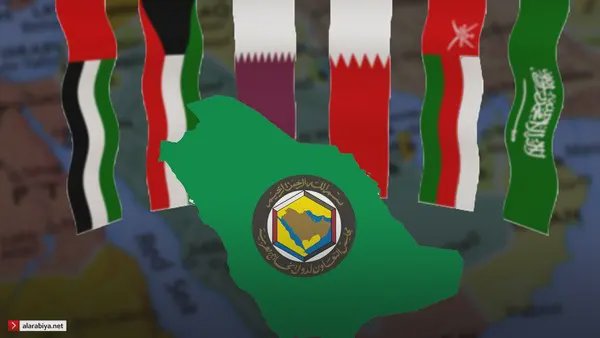
This morning, citizens in Saudi Arabia woke up to news that delivered a strong sense of reassurance. But at the same time, it confirmed something we've always known: when push comes to shove, the Gulf and the Arab world stand united. Yesterday saw the release of what’s widely known in the media as the “Arab Six-Party Statement,” a firm and decisive official position from six sisterly Arab nations: Saudi Arabia, Kuwait, the UAE, Bahrain, Qatar, and Jordan. The statement is a clear and unambiguous message to anyone who might consider compromising the region's security and stability.
Iran in the Spotlight: What’s in the Six-Party Statement?
What stands out about this Arab Six-Party Statement is that it’s a unified, joint declaration, as if spoken with one voice. This was no mere formality; it was a strong and unequivocal condemnation of the ongoing attacks carried out by Iran-backed militias against Gulf states. The six nations didn’t just voice their disapproval—they called on the entire international community to step up and shoulder its responsibilities. This statement marks a significant turning point, transforming the issue from a series of isolated provocations into a unified political and security matter that must be addressed with seriousness.
How to Read the Statement as Saudis? (A Quick Guide)
If you're looking for a quick and practical Arab Six-Party Statement guide, let me break down how it was received in political circles here in Riyadh. First, the statement reaffirms that the security of Saudi Arabia, Jordan, Kuwait, and the others is all interconnected. Second, the message to Tehran is crystal clear: this region is a red line, and we will not allow hostile scenarios to repeat themselves. Third, the statement affirms the right of these nations to self-defence, signalling that any future military or security deterrence would be considered legitimate.
4 Key Takeaways You Shouldn't Miss from the Joint Communiqué
To save you time, here are the most important points that form the backbone of this statement:
- Unequivocal Condemnation: The statement described the attacks targeting the territories of the GCC states as a "blatant violation" of sovereignty.
- Baghdad's Responsibility: It called on our sisterly Iraqi government to take immediate action to stop these attacks launched from its territory.
- Right to Self-Defence: It emphatically affirmed the right of the six nations to take necessary measures to protect their national security.
- Rejection of Interference: The statement contained a categorical rejection of Iranian meddling in the internal affairs of Arab nations.
Arab Six-Party Statement Review: How Did Markets and the Gulf Public React?
Regarding the Arab Six-Party Statement review, what we sensed in the Saudi public sphere was a feeling of confidence and reassurance. In the past, we would see individual statements from each country, but today the scene is different. This high-level coordination between Saudi Arabia and its neighbours sends a powerful message to the world: the Gulf states and Jordan possess a joint defence system and a political alliance that cannot be breached. This statement isn't just a reaction; it's a clear strategy to establish a new equation: regional stability is either for everyone, or it's for no one.
In short, if you're looking to understand how to use the Arab Six-Party Statement to grasp the current geopolitical landscape, consider this statement your new roadmap. Today, Saudi Arabia is confidently steering the ship, telling the world: either you respect our sovereignty and unified decision-making, or you will face the collective resolve of six nations who will not compromise on their security. And that’s the stance of those who stand firm.