End of an Era: Why Die Toten Hosen Are Leaving the Stage with "Alles aus Liebe"
There are moments when time stands still. For an entire generation of music fans in Germany, Austria, and Switzerland, one such moment arrived when the news broke: Die Toten Hosen are quitting. Not the usual "we're taking a break," no vague "maybe we'll do something again someday." No, this is the definitive end. Their next album will be their last. And this is more than just a headline – it's the closing of one of the most significant chapters in German-language rock history.
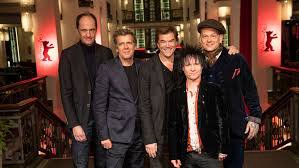
From Düsseldorf Punks to a National Institution
To grasp the magnitude of this decision, you have to look back. For over four decades, Campino, Kuddel, Andi, Breiti, and Vom have shaped the local music scene. They started as loud, unruly punk rockers in Düsseldorf but quickly became chroniclers of society. With albums like "Der Krach der Republik" or the masterpiece "Auf dem Kreuzzug ins Glück", they delivered not just music, but also an attitude. They filled stadiums, sang about love, death, football, and politics – and always connected with their fans as equals. They were never the aloof stars, but always the boys next door who just happened to write the world's best riffs.
"Alles aus Liebe" – A Gradual Farewell?
The fact that a work titled "Alles aus Liebe: 40 Jahre Die Toten Hosen" is to be the final point is more than just poetic coincidence. It's a retrospective, an embrace of their own history. The announcement that this album, due in May, will be their last studio album landed like a bombshell. But it's a farewell that suits them: loud, emotional, and uncompromising. In an era where bands often continue until they become a parody of themselves, Die Toten Hosen are drawing a line – at their peak, with dignity.
The Ultimate Setlist for the Final Chapter
What does this mean for the upcoming concerts? When a band of this stature says goodbye, every song becomes an anthem. You can already imagine the setlists: a firework display spanning 40 years of band history. Every fan has their own unforgettable moments with the band. For me personally, they include:
- "Einfach sein" – the anthem for self-acceptance.
- "Tage wie diese" – the song that's become an indispensable part of any stadium concert.
- "Hier kommt Alex" – the timeless classic that once catapulted them into the mainstream.
- "Alles aus Liebe" – the ballad showing that punk rock can also be vulnerable.
These songs will burn even brighter on the farewell tour. The noise of the republic ("Der Krach der Republik") will be properly loud one last time.
The Business Machine: Value and Legacy
Let's set aside the romance for a moment and look at the commercial dimension. A band like Die Toten Hosen is an economic force. Their albums sell millions, their tours have been sold out for years. With the announcement of the end, the value of their back catalog instantly skyrockets. Streaming numbers will go through the roof, the demand for tickets for the final tour will become unimaginable. For investors and the music industry, this is a wake-up call: the cultural influence of this band translates directly into hard currency. Brands and sponsors who can secure a partnership with the Hosen now are investing in the prestige of a legend. It's the final big deal with a phenomenon built over four decades.
Conclusion: The Applause Will Never Fade
So when Die Toten Hosen release their final album "Alles aus Liebe" in May and then bid farewell to the stage, they leave a gap that no one can fill. They didn't just make music; they provided a soundtrack for our lives. They were proof that punk rock can grow up without selling out. In Switzerland, where they always had a loyal fanbase, they will be missed just as much as in their home city of Düsseldorf. But one thing is certain: their records will keep playing, and the crusade for happiness ("Kreuzzug ins Glück") they shared with us on their albums is something no one can ever take away.