Caesium-137: The Tragic True Story Behind the New Netflix Series That’s Taking the World by Storm
There are stories that wound you because they are so real that even the best screenwriter couldn’t make them up. The new series everyone’s talking about on Netflix brings back an episode that seared itself into an entire generation in Brazil: the Caesium-137 tragedy. And trust me, this isn't fiction. It’s the kind of story that gets under your skin, literally, because that’s how it all began: with a glowing powder that looked harmless but was pure death.
A blue powder that changed everything
To grasp the impact, you need to travel back to September 1987, in Goiânia, a city that had little to do with radioactivity. Two scrap metal scavengers found an abandoned device in a ruined radiotherapy clinic. To them, it was just metal to sell. What they didn’t know was that inside was caesium chloride, a radioactive salt that, when handled, released invisible but lethal particles. The most chilling part? People, fascinated by the powder’s blue glow, shared it as if it were a gift. Entire families smeared this poison on their skin, children played with it, and one six-year-old girl, after eating a sandwich with contaminated hands, received a fatal dose that ravaged her body.
The series that will leave you shaken
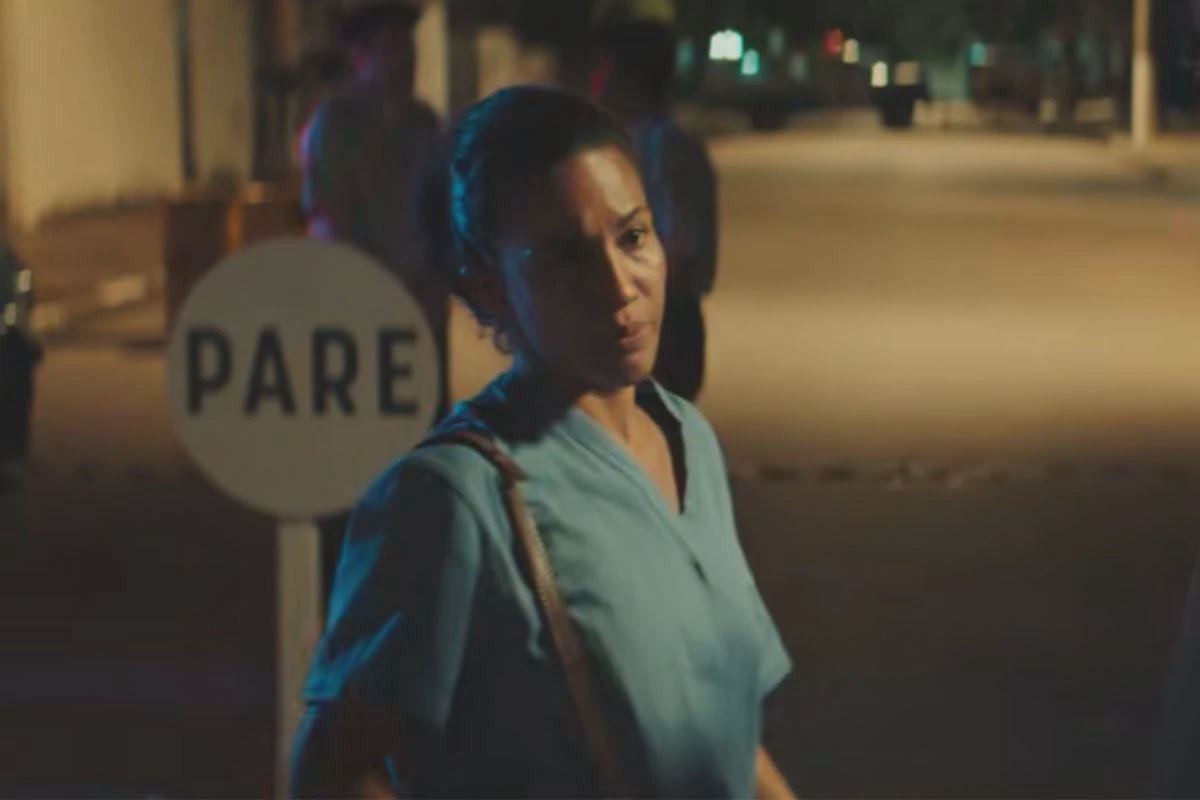
What’s interesting about this new production is that it isn’t just after morbid curiosity. I was recently chatting with some colleagues who have seen the first few episodes, and they all agree the focus is on the victims and the monumental negligence that allowed this to happen. And the cast has become a talking point in itself. One of the actresses from São Paulo, who plays a doctor in the series, confessed that to prepare, she had to dive into some intense research: she read testimonies, studied radiological emergency protocols, and most importantly, had to connect with the panic of a community that was isolated as if they were a plague. That’s what I find key: it’s not just a Brazilian story, it’s a story about how misinformation and poverty can create the perfect storm.
What almost no one talks about
Beyond the radioactive powder, Caesium-137 left a social scar that’s rarely mentioned. There was a clear before and after for the over 100,000 residents of Goiânia who had to be monitored. Homes were demolished, soil was removed, and survivors carried a stigma, with even their own neighbours afraid of them. Imagine being singled out for something you didn’t even know was there. That’s what the series seems to be portraying with raw honesty: the struggle of ordinary people against a system that didn’t know how to react. In fact, one of the actors revealed he didn’t even know any of this was real until he arrived on set. He came across the archives and was stunned to realise he was telling the story of real people, like little Leide das Neves, whose death shocked the entire nation.
- The origin: An abandoned radiotherapy machine that was sold for scrap.
- The youngest victim: Leide das Neves, a girl just 6 years old, was the most affected.
- The impact: Over 200 people were directly exposed, and dozens of homes were demolished.
- The legacy: Global nuclear safety regulations changed drastically after this accident.
For those of us who grew up hearing about the Goiânia accident in passing, this series arrives as an uncomfortable but necessary reminder. Because if time has shown us anything, it’s that disasters with radioactive material are not a thing of the past. Caesium-137 remains a relevant issue, and seeing it on screen with actors who prepared down to the smallest detail makes us wonder: are we really prepared for an emergency like this?
In the end, what strikes me most is how productions like this manage to make a generation that didn’t live through the event sit up and watch with their eyes wide open. And they do it because it’s not just a lesson in nuclear physics, but a lesson in humanity. So now you know, if you decide to sit down and watch this series, prepare for a lump in your throat. It’s not easy, but stories like this deserve to be told, and above all, not forgotten.