Zakat al-Fitr 2026: Your Complete Guide to Eid Charity in Ireland
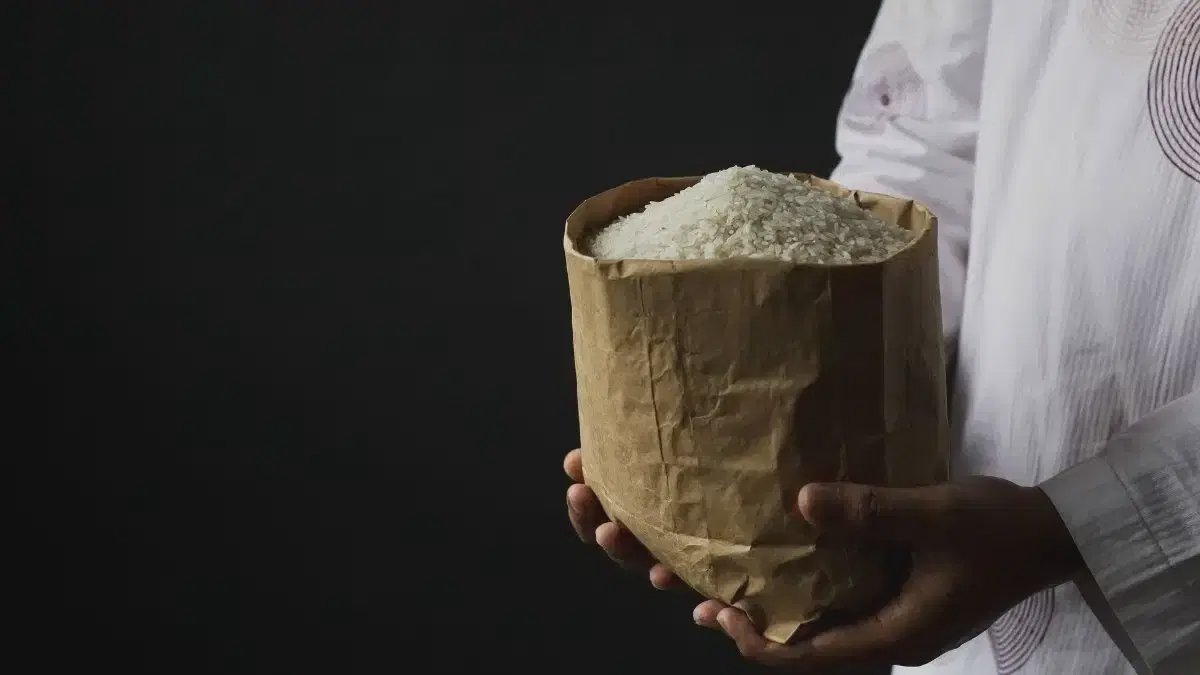
With the crescent moon of Shawwal expected to appear in just a matter of days, Muslims across Ireland are entering the final, most intense stretch of Ramadan. And if you’ve been so focused on your ibadah that you haven’t given a thought to Zakat al-Fitr yet, don’t worry—sure, you're not the only one. But time’s running out, and this is one obligation you really don’t want to miss.
I’ve been around long enough to see the same questions pop up every single year: How much do I pay? Can I give cash? What if I pay after the Eid khutbah? So let’s cut through the confusion and get it straight for 2026.
What Exactly Is Zakat al-Fitr?
Think of it as the spiritual polish for your Ramadan fast. The Prophet ﷺ made it compulsory—every Muslim, young or old, rich or poor, pays a small amount on behalf of themselves and their dependents. The idea is twofold: first, to purify any shortcomings in your fasting (those moments you lost the head or wasted time), and second, to ensure that our less fortunate brothers and sisters can also enjoy Eid without having to look for a meal. It’s often called Fitrana in Urdu-speaking circles, but whatever you call it, the ruling is the same.
How Much Are We Talking? (2026 Ireland Figures)
The traditional measure is one sa’a—about 2.5 to 3 kilogrammes—of staple food: wheat, barley, dates, or raisins. But in Ireland, very few of us are handing out bags of grain. Most scholars agree that giving the cash equivalent is perfectly acceptable, and it’s often more practical for the person receiving it.
So what’s the figure for 2026? Local mosques and Islamic centres usually set a recommended amount based on the price of flour or dates. This year, I’m hearing that most places are suggesting between €6 and €8 per person. Some are sticking to the lower end, others nudging up to €8 to account for the cost of living. If you want the exact number, your nearest mosque will have it pinned on their noticeboard or online—but honestly, anything in and around that ballpark covers the intention. If you can afford a bit more, it’s always rewarded.
- Per person: Approx. €6–€8 (cash equivalent of 3kg staple food).
- Family of four: €24–€32 total.
- Deadline: Must be paid before the Eid prayer (not after).
- Who pays? Every Muslim who has the means, on behalf of themselves and every dependent (including infants).
- Preferred time: The morning of Eid, before the prayer.
When and Where to Pay
Timing is crucial here. Zakat al-Fitr becomes due at sunset on the last day of Ramadan, but the preferred time is the morning of Eid, just before you head out for the prayer. In practice, though, you can pay anytime during the last few days of Ramadan—many people do it early to make sure it reaches those who need it in time.
Don’t pay it after the Eid prayer—if you do, it counts only as ordinary charity (sadaqah), and you’ve missed the boat on the special obligation. I’ve seen people scrambling to hand over money after the khutbah, thinking they’ve fulfilled it. Not at all. Get it sorted beforehand.
As for where, you’ve got options. Most Irish mosques collect Fitrana and distribute it locally. The big, well-known charities all run dedicated campaigns, and your local mosque will have a collection. Or, if you know a family in need personally, you can give directly—just make sure they’re genuinely in need. The recipients should be the poor and destitute, regardless of whether they’re relatives or strangers.
Common Mistake: Zakat al-Fitr vs. Zakat al-Mal
I overheard someone in the supermarket the other day saying, “I’ve already paid my Zakat, so I don’t need to pay Fitrana.” Wrong. They’re two completely different things. Zakat al-Mal is the 2.5% wealth tax on savings that have been held for a lunar year. Zakat al-Fitr is a head tax—everyone pays the same small amount, regardless of how much money they have. You can’t substitute one for the other. If you owe both, you pay both. Simple as.
A Quick Word on Intention
Like any act of worship, intention (niyyah) matters. When you hand over the cash or the food, have the intention in your heart that this is Zakat al-Fitr. You don’t have to say it out loud, but don’t let it be just another fiver you drop in the box. Think about the families who’ll be able to cook a decent Eid meal because of what you’ve given. That’s the spirit of it.
Ramadan’s almost over. Let’s make these last days count, and let’s make sure our Eid is one of generosity and connection. If you’ve got kids, get them involved—let them drop the coins in the collection. It teaches them early that giving is part of the celebration.
Eid Mubarak in advance, everyone. May your fasts be accepted and your Fitrana be the best you’ve ever given.