The energy to come: China's wind records, European battery chemistry, and Spain's solar challenge
The world of energy is moving faster than many people realise. And I'm not talking about promises or drawing-room debates. I'm talking about hard numbers, factories running flat out, and a race in which China has just left even its toughest rivals stunned.
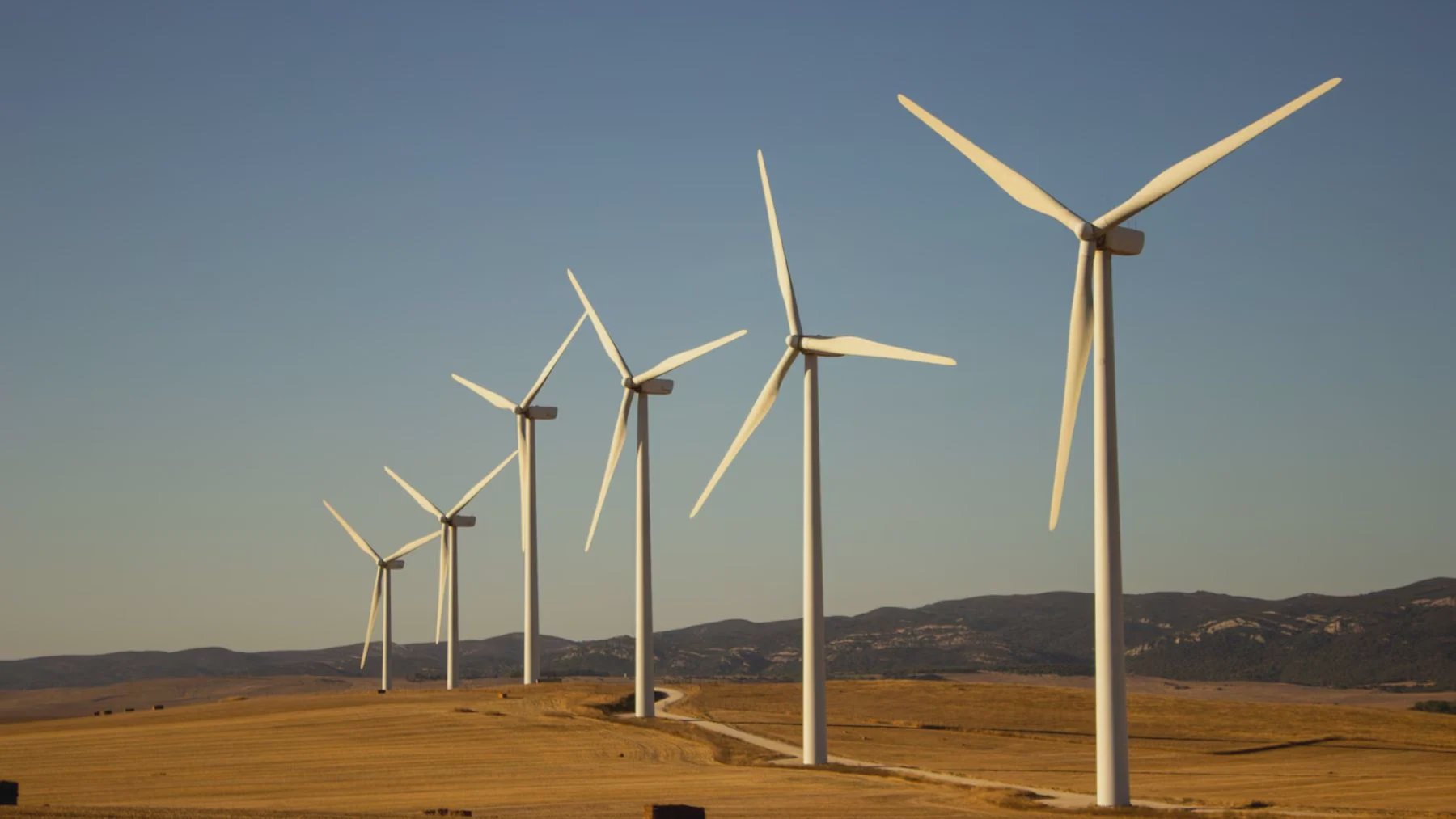
In 2025, Beijing installed more new wind capacity than the United States has built in its entire history. Yes, you read that correctly. A sheer energy unit so colossal it rewrites the rules of the game. While over there wind turbines pop up like mushrooms, here in Europe we're focusing on another crucial link: the chemistry of batteries for electric cars. Because generating renewable energy is pointless if we can't store it efficiently.
The quiet miracle of wind power – and what Spain can learn
What happened in China is no accident. They've been investing like crazy for years, but 2025 was a quantum leap. Nobody saw that level of intensity coming. And look, I'm not saying everything is perfect: China's massive renewables push also hides local tensions, debt, and increasingly tense geopolitics. But in terms of pure installed capacity, the gap is now a chasm.
And Spain? Here we have a resource they'd envy: the sun. Solar energy is enjoying a second youth, but we're still dragging our heels with grid problems, red tape, and planning that sometimes feels stuck in the '90s. Still, there are reasons for optimism. More and more homes and industries are opting for self-consumption, and panel prices keep falling.
- China dominates onshore and offshore wind: in 2025 it exceeded 400 GW of cumulative capacity.
- Europe is betting on new battery chemistry (lithium-sulphur, solid-state) to avoid dependence on Asia.
- Spain has the highest solar potential in the EU, but needs urgent reforms to its distribution grid.
The battery battle: Europe refuses to be left behind
While Beijing grabs headlines with its windmills, another key chapter is being written in German and French labs. The next generation of batteries for electric cars will look nothing like today's. I'm talking about cells with higher energy density, less cobalt, and a lifespan that could double what we have now. Several European manufacturers already have prototypes running in real-world conditions. The goal: that by 2028, an energy unit stored in Barcelona or Stuttgart can compete on price and performance with the best from China.
And why does this matter? Because renewable energy is intermittent. Without large-scale storage, we'll keep burning gas on days with no wind or sun. Battery chemistry, at its core, is the key that will finally shut the door on fossil fuels.
The reality behind the Asian giant – and our opportunity
Not everything is golden in the wind power empire. China's massive renewables investments also displace communities, cause local environmental impacts, and follow a logic of power that frightens Brussels. But denying their achievements would be as blind as it is ridiculous. What they've done in wind capacity in a single year would take Europe a decade to match.
So here we are, at a fascinating crossroads: on one hand, the necessary partner (China) selling us cheap panels and turbines; on the other, the urgent need to develop our own technology (batteries, smart grids) so we're not dependent forever. And in the middle, Spain, with its endless hours of sunshine and a wind industry that can still put up a fight.
The energy of the future won't be a single colour or come from a single country. It will be a blend of Chinese wind, European chemistry, and Spanish sun – as long as we get our act together. Because records are all well and good, but what really matters is that when you flick the switch five years from now, that electricity is cleaner, cheaper, and more genuinely ours.