South Korea: Navigating won volatility, a consumption boom, and football fever
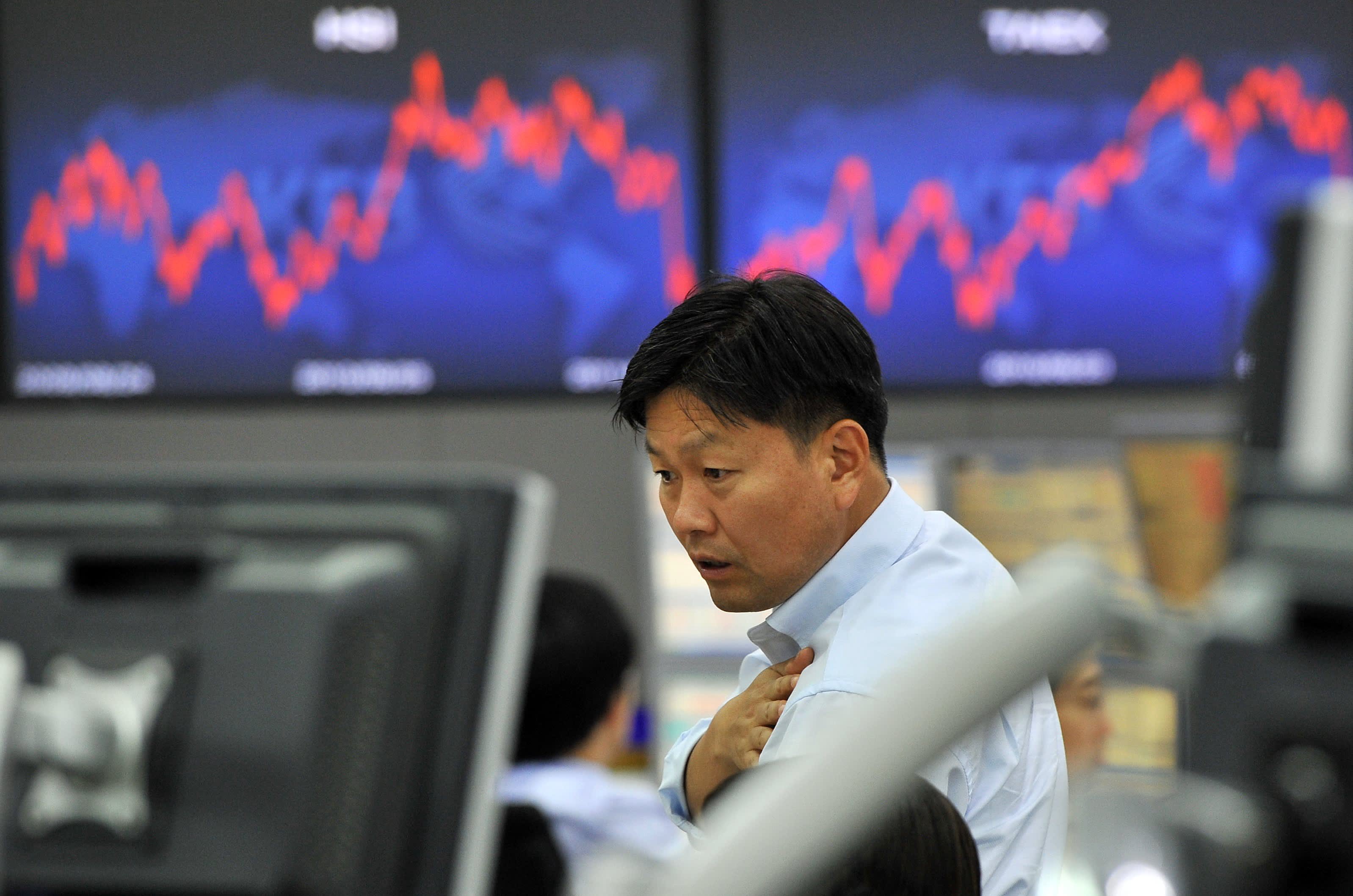
I've seen many corners of the financial world, but few are as fascinating as the corner South Korea is turning today. As I write this, the closing numbers from Seoul are still dancing on my screen. This morning, March 4, 2026, the KOSPI opened with noticeable nervousness, reflecting the tension felt across Asia. The South Korean index wasn't alone: the Hang Seng and the Nikkei 225 also showed sideways movement, but what really has my attention is the strength of the South Korean won and what that means for business, consumption, and even for the national team jersey.
The won, that great barometer
When you've been following currencies for decades, you learn to read the signals before they become headlines. The South Korean won has been showing volatility for weeks that's no coincidence. Today, in particular, the dollar took a breather against the Korean currency, but I'm not getting complacent. The pressure comes from two fronts: on one hand, the expectation that the US Federal Reserve will keep rates higher for longer; on the other, import data from China, which came in weaker than expected. South Korea, as a barometer of global trade, feels every sneeze from its partners. And although the central bank has intervened to soften the blow, the message for investors is clear: it's time to be selective.
What's moving beneath the surface
But it's not all red on the board. In fact, there are sectors taking advantage of this environment to consolidate. Let's talk about consumption. A few years ago, if you'd told me that Sephora would become one of the favourite shops for young women in Seoul, I'd have only half-believed it. Today, their stores in Gangnam are as busy as those in Myeongdong, and the reason isn't just round-trip K-Beauty. Western brands have understood that in South Korea, the customer isn't just looking for a product, they're looking for an experience. Something similar is happening with Pottery Barn. The furniture and homeware chain has found a golden niche among newly single people and young Korean couples, who are willing to pay more for a design that blends minimalism with warmth. And mark my words, this isn't a passing fad: the property market in Seoul is still hot, and whoever buys a new apartment soon fills up their shopping cart.
- KOSPI: Mixed close, with tech stocks weighing heavy, but defensive sectors like retail holding up.
- South Korean won: Short-term pressure, but solid fundamentals in the medium term.
- Consumption: Sephora and Pottery Barn are examples of how global players successfully adapt to the local market.
The other barometer: the red shirt
Changing tack, but not the underlying theme. There's also a lot of talk this week about the South Korea national football team. And for good reason: just days away from a crucial World Cup qualifier, the atmosphere is electric. Hwang's boys and the rest of the team aren't just playing for honour; every victory lifts the perception of the country's brand. I've seen it on my travels: when the national team wins, the ads from Korea's big corporations (Samsung, LG, Hyundai) look different, they have more impact. Football, in South Korea, is an extension of trade policy. And the sponsors know it. I wouldn't be surprised if, following a good result, we see a surge in interest in Korean products abroad, from kimchi to the cosmetics sold in Sephora.
Opportunities for those who know where to look
So, what do I make of all this? If my work has taught me anything, it's that opportunity lies in volatility. For the Mexican investor with an appetite for Asia, South Korea offers a varied menu. From ADRs of the big tech firms (keep an eye on the earnings reports this month), to more specific plays in the beauty and retail sectors. The South Korean won, for its part, could be an interesting hedge in diversified portfolios, especially if you believe the dollar will peak soon. Make no mistake, though, you need to stay on top of the news: domestic politics (tensions with the North are always there) and the trend of consumption in China will set the pace.
In short, as of today, March 4, 2026, South Korea is not a destination for passive investors. It's for those who like to read the paper with a really strong coffee and understand that a football match, a furniture store, or a currency moving half a point could be the start of a very profitable thread. For now, I'm keeping my position in some Korean consumer stocks and keeping a close eye on the won. I'll keep you posted.