Kash Patel’s FBI Tenure Rocked by Iran-Linked Hack: The Lowdown
Just when you thought Washington couldn’t get any more chaotic, news broke late on Friday that has the political world buzzing—and not in a good way. FBI Director Kash Patel, a figure who has never been far from the spotlight, is now at the centre of a major national security breach. Iranian-linked hackers have reportedly published a trove of his personal emails and photos, and frankly, the timing couldn’t be more explosive.
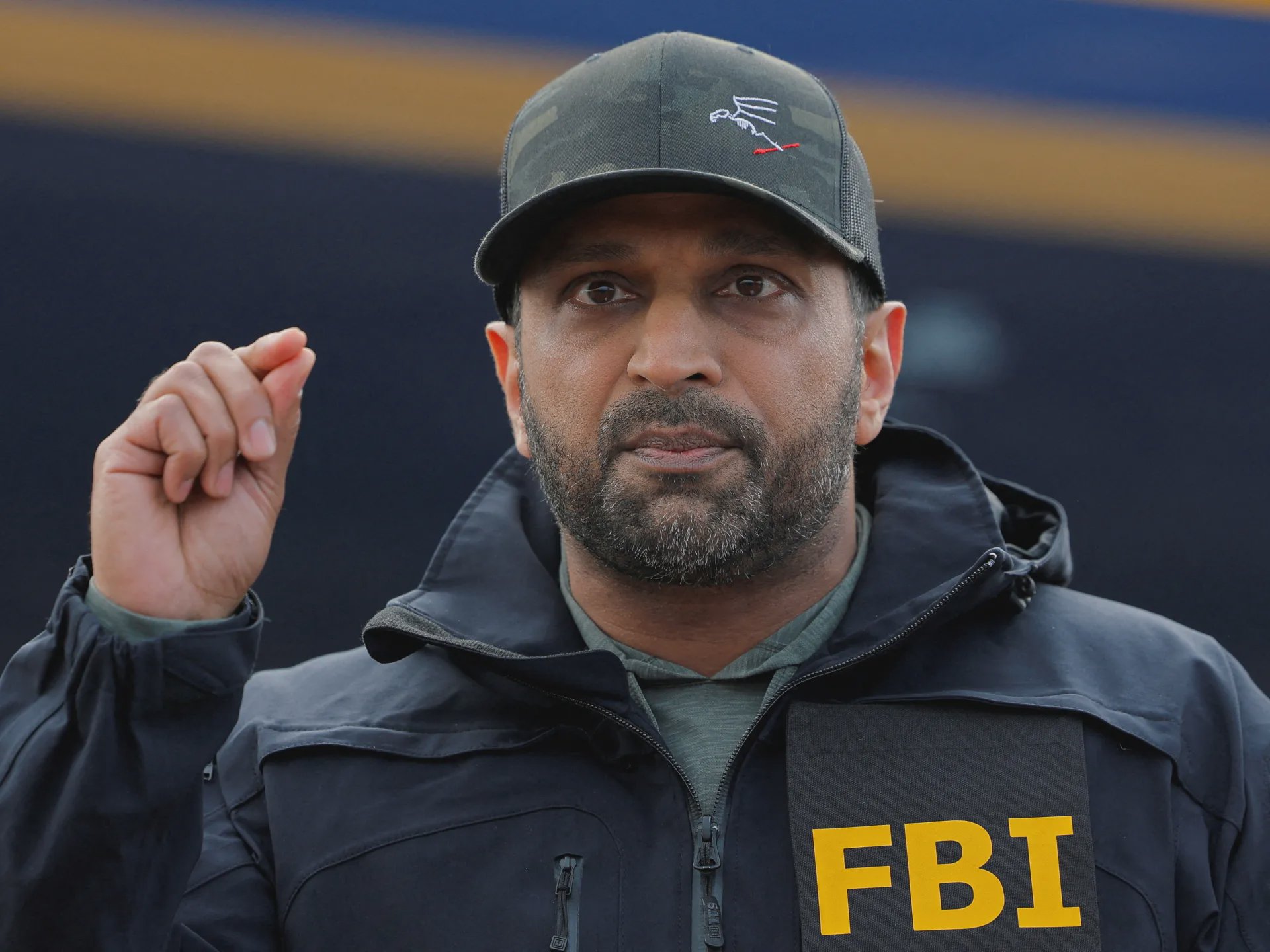
This isn’t just some random data dump. We’re talking about a group with ties to Tehran claiming responsibility for breaching the personal communications of the man currently running the FBI. The leaked material, which surfaced online, includes emails and images that, while unverified in their entirety, have already sent shockwaves through the intelligence community. It’s a stark reminder that in the digital age, even the nation’s top cop isn’t immune to sophisticated foreign adversaries.
The Hacked Timeline: A Recipe for Disaster
The timing of this leak feels less like a coincidence and more like a calculated move. Patel’s confirmation was a bruising Senate Vote: Kash Patel battle, and he’s been a polarising figure from day one. Now, with this hack coming to light, it throws everything into a new, murkier context. The hackers didn’t just grab data; they strategically released it to cause maximum disruption. The contents reportedly span years, touching on his time before taking the FBI helm, which inevitably drags his controversial past writings back into the headlines.
Beyond the Badge: The Man and His Manuscripts
To understand the weight of this, you have to look at the books Patel has authored. He didn’t just coast into this role. He wrote The Plot Against the King, a book that reads like a political thriller, and followed it up with Government Gangsters: The Deep State, the Truth, and the Battle for Our Democracy. These aren’t just dry policy papers; they’re aggressive manifestos about the very institutions he now leads. Another title, Rights and Freedoms in Peril: An Investigative Report on the Left's Attack on America, cemented his reputation as a firebrand. The irony is thick: a man who built a career exposing alleged deep-state machinations is now the victim of a very real, very foreign intelligence operation.
Inside sources familiar with the matter say the leaked emails are said to contain correspondence related to these book projects and his political ascent. For his supporters, this is a vindication—proof that he was such a threat to foreign interests that they resorted to hacking. For his detractors, it’s a distraction, raising questions about operational security at the highest levels. But for the rest of us, it’s a sobering look at the blurred lines between personal politics and national security.
What’s Actually in the Leak?
While the full extent is still being assessed by security analysts, the initial intelligence highlights a few key areas of concern. We’re not just talking about mundane memos. The dossier appears to include:
- Private Email Exchanges: Discussions that could reveal internal debates or political strategies from before his directorship.
- Personal Photographs: A move often used in these hacks to humiliate the target and humanise the breach, making it more relatable—and more damaging—to the public.
- Unverified Documents: Some of the released files are being flagged as potentially containing personal information, raising privacy alarms beyond just the political fallout.
The Geopolitical Chessboard
This isn’t a random act of cyber vandalism. Iran and the US have been locked in a shadow war for years. By hacking the FBI director, Tehran is sending a very clear message: no one is out of reach. It’s a psychological operation designed to embarrass the US government and undermine confidence in its leadership. The fact that these hackers managed to pull this off during Patel’s tenure is a massive black eye for the bureau he leads.
We’ve seen this playbook before. Hackers don’t just steal data; they weaponise it. The release is timed to dominate news cycles, sow discord, and potentially influence internal political dynamics. For a director who has spent so much time discussing the deep state and political persecution, being caught off guard by foreign operatives is a narrative twist no PR team could spin.
Looking Ahead
So, what happens now? The immediate fallout is a crisis of credibility. The FBI will have to conduct an internal review while simultaneously dealing with the external threat. Patel’s ability to lead is now under a microscope not just for his policies, but for his personal security habits. It also reignites the debate about the revolving door between political activism and top security posts.
For us in Singapore, watching this unfold, it’s a fascinating, albeit disturbing, case study. It underscores how interconnected—and vulnerable—global leaders are. Whether you view Patel as a crusader or a controversialist, one thing is clear: the line between the author and the authority has just been hacked wide open.