Emirates' latest update: Gradual return of flights amid ongoing airspace adjustments
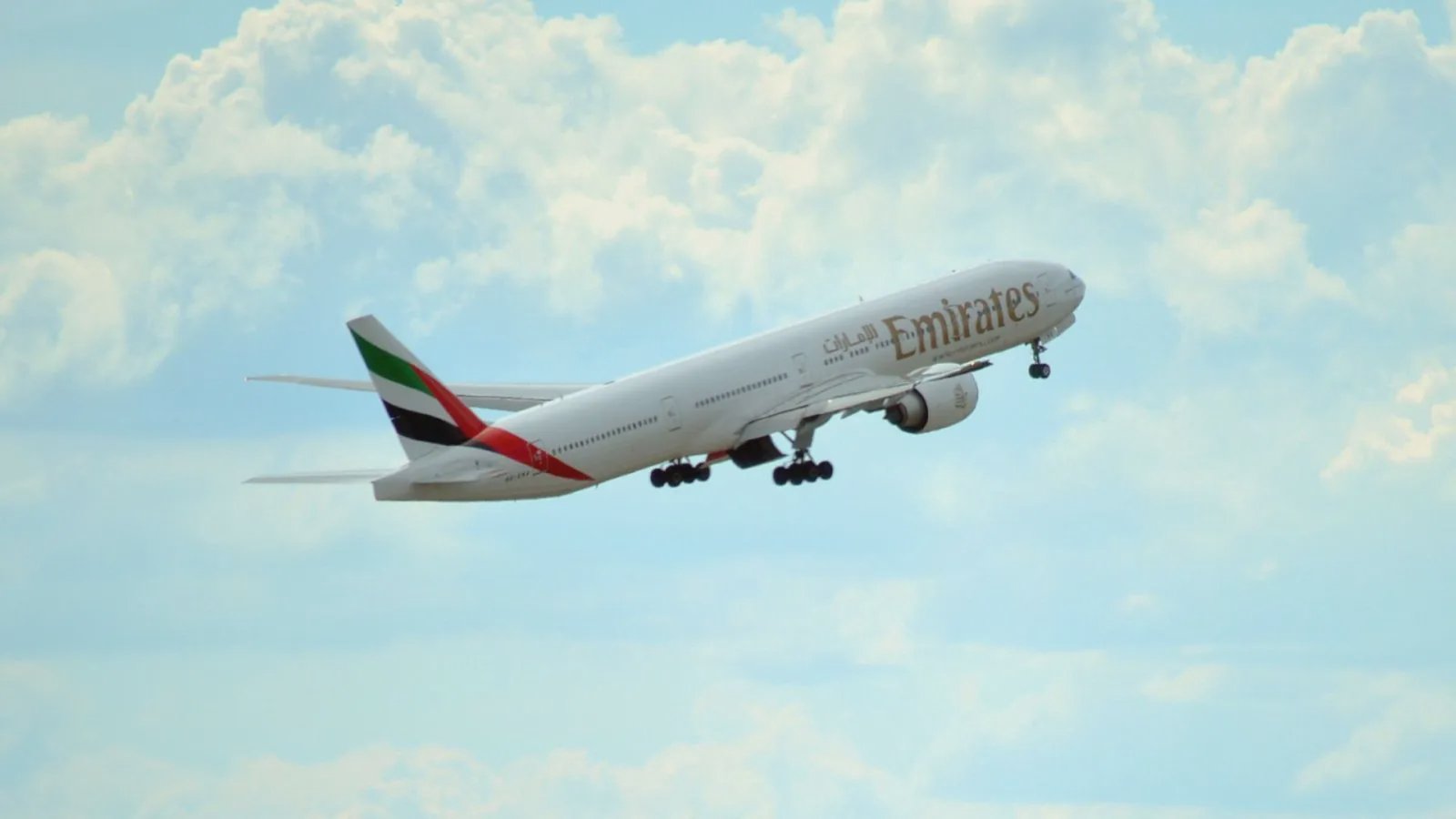
From early this morning, the UAE's skies have seen a flurry of activity quite different from the past few days. Following a period of suspended or diverted flights due to temporary airspace restrictions, several national carriers have begun operating their services again, albeit gradually and on a limited basis. I've been closely monitoring the situation since the early hours, and the figures indicate that Emirates is the most active in rescheduling its flights.
Emirates: The start of a return to select destinations
Dubai's flagship carrier, Emirates, resumed operating its flights this morning to a limited number of cities, with a clear focus on European and Asian destinations that don't require crossing complex airspace. Ground crews at Dubai International Airport are working hard to guide passengers, particularly those whose flights were cancelled over the past couple of days. I've noticed the airline is prioritising direct flights and avoiding air routes that might necessitate in-flight replanning.
Other national carriers: Etihad, flydubai, and Air Arabia
The situation isn't unique to Emirates; it involves all airlines operating in the UAE. Here are the key observations I've noted:
- Emirates: Partial operation of flights to Europe and Asia, with confirmation that priority is given to getting grounded aircraft back in the air. Passengers are advised to update their booking details on the website.
- Etihad Airways: The Abu Dhabi-based national carrier has announced it is operating very limited flights, focusing on New York, London, and Mumbai, while some flights to the Far East remain suspended until further notice.
- flydubai: The low-cost airline attempted today to restart most of its regional flights, especially to Gulf countries and India. However, some flights still face cancellations due to a lack of complete clarity on alternative flight paths.
- Air Arabia: Operating from Sharjah, Air Arabia has resumed flights to several airports in the region, with an expectation of increasing flight numbers over the next 48 hours if the situation stabilises.
What does this mean for travellers from Saudi Arabia?
For passengers travelling from Saudi airports or transiting through the UAE, the situation is changing by the hour. My personal advice is not to rush into cancelling flights, but rather to monitor the flight status continuously. The skies are beginning to calm, but restrictions imposed by some countries are still impacting air traffic. If you're flying with Emirates in the coming days, it's best to arrive at the airport early and ensure your contact details are up to date with the airline.
Outlook for the coming days
Everyone is awaiting a unified official statement from the General Civil Aviation Authority in the UAE to clarify the full picture. But for now, the phased return of flights means airlines are handling the situation flexibly, trying to minimise disruption and get stranded passengers to their destinations. I expect we'll see a noticeable improvement in flight schedules by the end of the week, provided the skies remain calm and no new restrictions are imposed.
The bottom line: Flights are returning, but it's a partial resumption. Patience is still needed, along with diligently checking the official airline websites. Passengers whose flights were disrupted are entitled to compensation or rebooking without extra fees—a measure most airlines confirmed today.