Dennis Quaid's Holy Marvels and Political Crossroads: What It Means for His Brand and the Canadian Audience
If you've been scanning entertainment headlines lately, you've likely caught the dual narrative swirling around Dennis Quaid. On one hand, he's out promoting his new History Channel series, Holy Marvels With Dennis Quaid, a deep dive into humanity's most mysterious and sacred artefacts. On the other, his name is popping up in political dispatches—most recently for hopping aboard Air Force One to appear at a Donald Trump rally in Texas, and for the sharp rebuke from his former co‑star and ex‑wife Lauren Holly, who publicly blasted his "crazy Trump support."
For a veteran actor with a filmography stretching from The Right Stuff to The Parent Trap, this collision of pop culture and politics isn't just tabloid fodder. It's a live case study in celebrity brand bifurcation—and a signal to advertisers, streamers, and Canadian viewers about where the real value lies in Quaid's name right now.
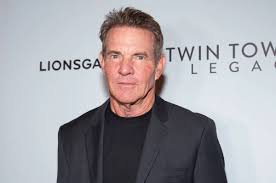
The Holy Marvels Factor: Quaid as Everyman Explorer
Let's start with the project that's currently on air. Holy Marvels With Dennis Quaid is a classic cable‑friendly docu‑series—part travelogue, part religious history lesson, wrapped in Quaid's affable, curious persona. He visits sites linked to the Ark of the Covenant, the Shroud of Turin, and other relics, speaking with historians and theologians. It's the kind of broad‑appeal content that historically drew a mixed audience of boomers, history buffs, and the faithful.
But in today's fractured media landscape, that tentpole appeal matters more than ever. Streaming platforms like Netflix and Amazon Prime are hungry for personalities who can anchor non‑fiction content without alienating any slice of the demographic. Quaid, with his easy Texas drawl and decades of everyman roles, fits that brief perfectly—until the political headlines start to colour the lens through which viewers see him.
The Political Ripple: Can a Star's Stance Sink a Show?
Lauren Holly's recent comments—calling out Quaid's support for Trump after his Air Force One appearance—put a spotlight on a dilemma that's become routine in Hollywood: does an actor's personal politics make their work unwatchable for half the audience? For Canadian viewers, who tend to lean more progressive than their American neighbours, the question is particularly acute. Will a Canadian commissioning editor at a broadcaster think twice before picking up Holy Marvels if it means alienating a liberal‑leaning subscriber base?
I'd argue the opposite. In a strange way, Quaid's polarising stance may actually clarify his commercial value. Brands that cater to conservative or faith‑based demographics—think streaming services like Great American Pure Flix, or even certain financial services and RV manufacturers—see a built‑in, loyal audience that trusts Quaid precisely because he isn't hiding his politics. For them, his appearance on Air Force One is a feature, not a bug.
Staying Gold: The Oral History That Bridges Divides
Then there's the nostalgia play. This year also saw the release of Staying Gold: The Oral History of The Outsiders, a comprehensive look back at Francis Ford Coppola's 1983 classic. Quaid, who played Dallas Winston, is a central voice in that book, reminiscing about the making of a film that has become a rite of passage for generations. For anyone who grew up with that movie—and that includes a huge swath of Canadian Gen X and older millennials—Quaid is forever linked to the greaser gang, not to any political rally.
That's the golden thread that advertisers can still pull. Nostalgia cuts across political lines. A 50‑year‑old in Vancouver who adored The Outsiders might have no interest in Quaid's current politics, but they'll still click on a YouTube clip of him talking about working with Patrick Swayze and Rob Lowe. The key is to target content where the political noise is irrelevant—and Quaid's filmography offers plenty of that.
What This Means for the Market
From a pure business perspective, here's where I see the opportunity for brands and platforms targeting the Canadian market:
- Faith‑based and family‑focused streaming services should aggressively court Quaid for original programming. His Holy Marvels persona is a natural fit for networks like UPtv or even religious broadcasters looking to expand their footprint north of the border.
- Legacy media companies can capitalise on the Outsiders nostalgia by bundling his classic movies into curated collections—perfect for the Criterion Channel or a CBC Gem retrospective on 80s Hollywood.
- Podcast and audiobook platforms might consider Quaid for narrating history or Americana titles. His voice carries authority without being preachy, a rare commodity in today's media.
- Political advertisers—yes, even in Canada, with our own conservative media ecosystem—could leverage Quaid's image for campaigns targeting older, culturally conservative audiences.
The Bottom Line
Dennis Quaid has entered that phase of a career where the man himself becomes a brand, separate from the characters he plays. That brand now carries a political charge, but it's not necessarily a negative. In a fragmented market, clarity of audience is gold. Whether it's through Holy Marvels With Dennis Quaid, the oral history of The Outsiders, or even the buzz from his Trump rally appearance, Quaid is giving advertisers a very clear signal of who he reaches—and that reach, while not universal, is deeply loyal.
For Canadian media buyers and content strategists, the lesson is simple: don't shy away from the controversy. Instead, place your bets on the segments where his authenticity—political and artistic—resonates loudest. That's where the real return on investment lies.