Marty Supreme: Triumph and Tragedy – Why Timothée Chalamet's Masterpiece Went Home Empty-Handed at the 2026 Oscars
Picture this: You step onto the stage of the Dolby Theatre in Hollywood, your heart pounding in your throat. Your name has been called nine times tonight – and every single time, you go home empty-handed. That's exactly what happened to Timothée Chalamet with his film Marty Supreme at the 98th Academy Awards. What sounds like the plot of another drama was the brutal reality of Oscar night 2026.
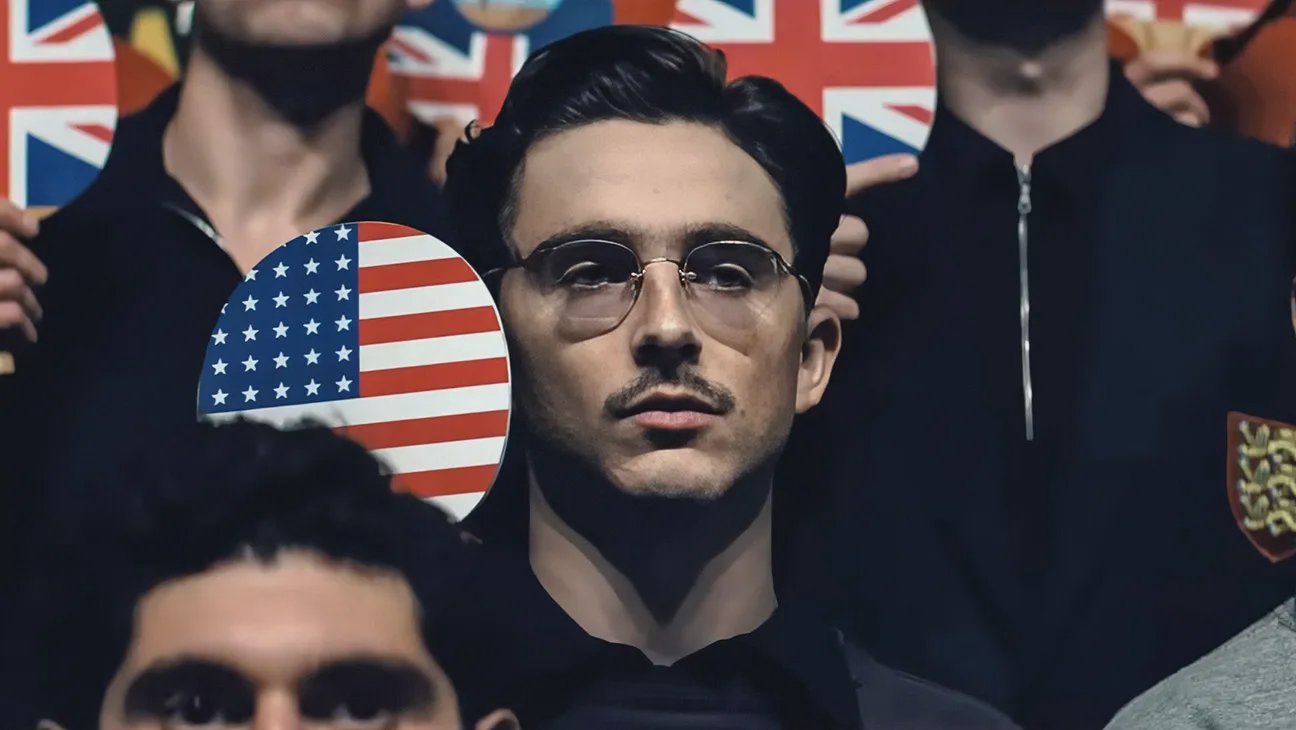
The frontrunner that wasn't
It was supposed to be the big night for Josh Safdie's table tennis epic. Nine nominations – including Best Picture, Best Director, and Best Actor – spoke volumes. The reviews were rave, the box office was booming worldwide, and Timothée Chalamet delivered the performance of a lifetime as eccentric ping-pong hustler Marty Mauser. But then came the ceremony on March 15th, and it brought nothing but frustration for the A24 masterpiece.
While One Battle After Another went home with six golden statuettes and Sinners managed to snag four, Marty Supreme ended the night with zero. A historic shutout, placing the film in an infamous league with heavyweights like Gangs of New York or The Irishman, which also went home empty-handed despite double-digit nominations.
The man behind the myth
What many don't know: the film that just spectacularly crashed and burned is based on one of the most colourful figures in sports history. Marty Supreme is loosely inspired by the life of Martin "Marty" Reisman (1930–2012), a New York legend who dominated table tennis in the '40s and '50s.
Reisman, nicknamed "The Needle" by friends, wasn't just a champion with over 20 major titles. He was a hustler, showman, and dandy who refused to play by society's rules. With his elegant attire, his signature Borsalino hat, and his razor-sharp wit, he roamed the smoky table tennis halls of Manhattan, where high-stakes gambling was the name of the game.
The anecdotes are legendary:
- He measured the net height with hundred-dollar bills – "Why be cheap?" he later asked a U.S. newspaper.
- He toured for three years with the Harlem Globetrotters, wowing 75,000 spectators in Berlin by playing "Mary Had a Little Lamb" on frying pans.
- At 67, he became the oldest national champion in any racket sport – and he did it using the old "hardbat" paddle, long after everyone else had switched to sponge rubber. "Sponge rubber insults my dignity," he said at the time.
The big disappointment
So, what exactly did Marty Supreme lose out on during that memorable night? The list of missed opportunities reads like a who's who of the Academy Awards:
- Best Actor: The golden statuette went to a surprising newcomer, while insiders had fully expected Chalamet's intense performance to finally bring him the long-awaited recognition.
- Best Adapted Screenplay: The Safdie brothers, known for their electric dialogue, had to concede defeat to a more conventional love story.
- Best Production Design: The lovingly detailed reconstruction of 1950s New York lost out to the evening's opulent period drama.
Social media was on fire. "Timothée Chalamet went too deep into the method – what happens in the movie just happened to him on the Oscar stage," joked one user on X. Another was pessimistic about the future: "He's going to lose to Tom Cruise next year too."
Adding insult to injury: the defeat came just weeks after Chalamet made some ill-advised comments about ballet and opera in an interview. "I don't want to work in areas where people say, 'Hey, keep this thing alive, even if no one's really interested in it anymore,'" he had said. It didn't sit well with everyone – and after the Oscars snub, he had to face questions about whether it had cost him favour with Academy members.
A film like its hero
Maybe it's paradoxical, but in a way, this defeat suits Marty Supreme. The real Marty Reisman was also someone who always swam against the current. Who refused to take an office job ("No one was ever less suited for a steady job than me"), who preferred smuggling (nylon stockings to England, 400 per cent profit) and gambling over conforming.
In his autobiography The Money Player, he wrote that the best table tennis players had to be either "players or smugglers." He was both. And at the end of his life, at 82, after lung and heart problems, he left behind a daughter who was proud of him.
Whether Marty Supreme has an Oscar or not – the story of the man who could slice a cigarette in half with a ping-pong ball and played for 75,000 people in Berlin remains. And maybe, in the end, that's worth more than any golden statuette.