Marine Traffic in the Gulf: Live Vessel Tracking Amid Regional Escalation
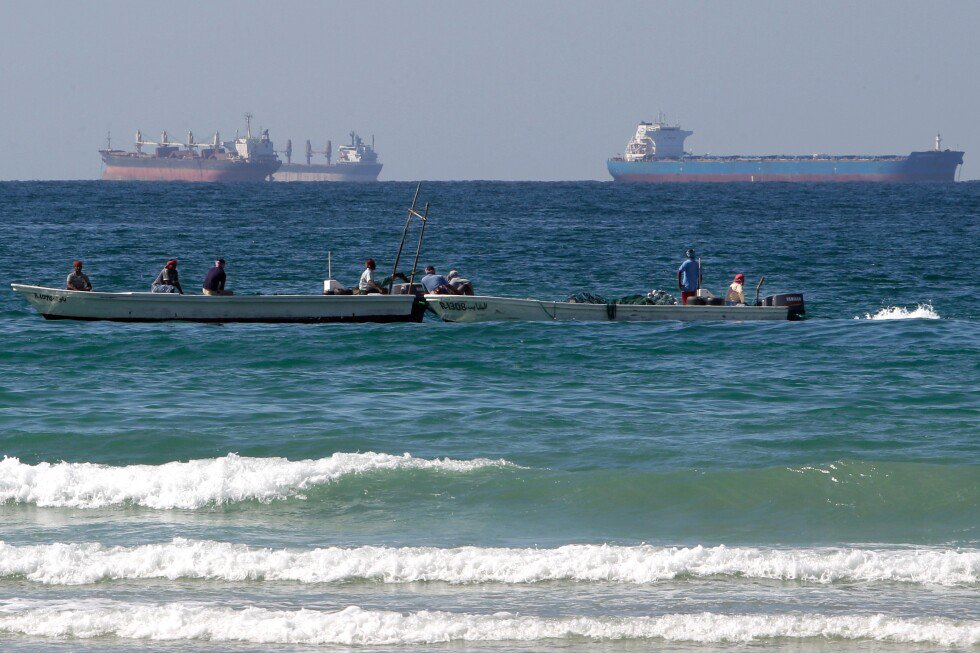
For decades, the Arabian Gulf has been a vital artery for global trade. But in recent weeks, with heightened tensions in these strategic waters, computer screens have transformed into windows onto the world's most critical economic sector. Gone are the days when we relied solely on news wires. Now, anyone in Vancouver or Toronto can pull up Marine Traffic Live and watch the shipping lanes redraw themselves in real time.
Why Did Shipping Giants Hit Pause on New Bookings?
Behind the scenes, there's an unprecedented level of disruption. Some of the world's largest container lines have temporarily stopped accepting new bookings on certain Middle Eastern routes and are rerouting vessels away from potential hotspots. It wasn't an easy call, but it came down to a careful assessment of insurance risks and crew safety. I've personally been glued to the Marine Traffic maps, watching these massive ships change course mid-journey, as if they're feeling their way through the dark.
Keeping an Eye on Ports from Jebel Ali to Halifax
For us, ports are the economic engines that keep things moving. Jebel Ali, Khalifa, Zayed—these are critical logistics hubs that can't stay out of the loop. Using Live Marine Traffic, you can easily track giant oil tankers or cargo ships as they approach our waters, or spot those choosing the longer haul around the Cape of Good Hope. It's like having an open radar that tells you what's heading for store shelves weeks in advance.
What's Lighting Up the Tracking Screens Right Now?
One thing that stands out these days is the unusual level of activity from naval vessels, or ships that have gone dark by switching off their Automatic Identification Systems (AIS) to avoid scrutiny. But even the public data is a goldmine. By digging into Marine Traffic, you can spot:
- Traffic jams building up near the Strait of Hormuz or the Suez Canal.
- The types of cargo on incoming vessels—whether it's electronics, cars, or food supplies.
- Estimated arrival times and the delays caused by these detours.
- The movement of LNG carriers, which is crucial for the energy sector.
How Global Shipping Affects Your Daily Life
This might all sound like complex, dry data, but it trickles down to our everyday lives. Any change to a ship's schedule means delayed goods, higher freight costs, and ultimately, higher prices at the checkout. When you follow Marine Traffic and see first-hand the backlog of vessels held up by regional risks, you start to understand why your Amazon order is delayed or why the cost of certain staples has gone up. It's all one chain, and the first link is playing out right now on our maritime maps.
Ultimately, keeping tabs on Gulf shipping is an essential tool for anyone trying to make sense of the real economy, beyond just the financial headlines. The world is shifting, and the sea is the most honest mirror of that change.