Emily Gregory Stuns the Political Landscape: How an Unknown Candidate Beat Trump in Florida
The sun had just set over Palm Beach when the first results started trickling in. I was sitting in the Blue Moon Diner right on US-1, nursing my third coffee, listening as the mood in the room shifted from shocked silence to a rumble of disbelief. Emily Gregory. A woman who, just weeks ago, was considered a huge underdog had just won the seat for Florida's 91st House district. Not only that—she had stormed Donald Trump's seemingly impenetrable fortress.
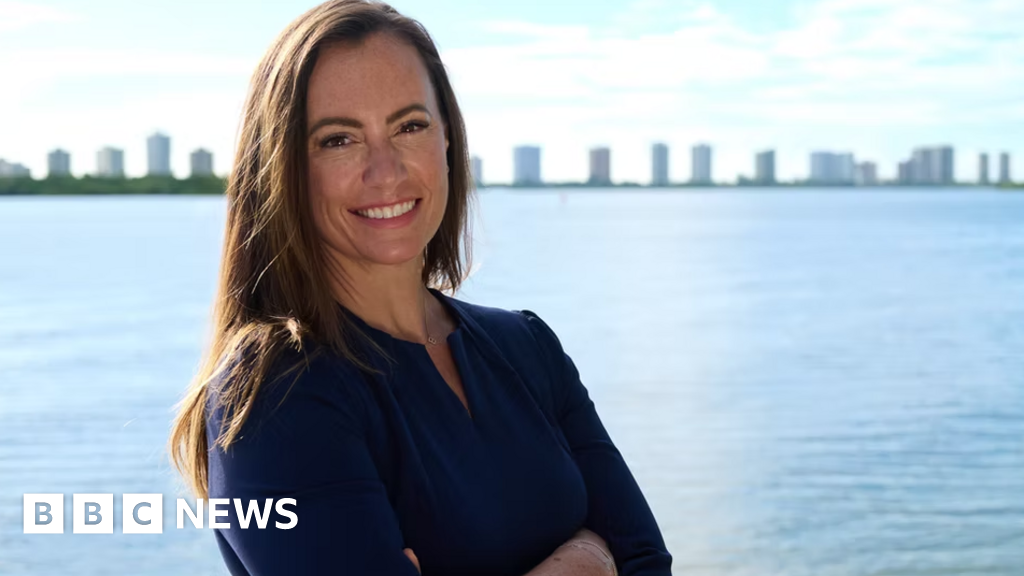
So who is this Emily Gregory Smith, as she's listed on the local voter rolls? Until recently, almost nobody here knew her. She wasn't a career politician, didn't have a famous last name, and had to make do without the massive campaign donations that usually flow through party channels. Yet she managed to do what many thought was impossible: she beat the candidate backed by the Trump machine in his own backyard, just a few miles from Mar-a-Lago. This isn't just an election result; it's a political earthquake with a clear message: the embers might still be smouldering under the ashes of the Republican party, but voters here have had enough of the freak-show antics that have become the norm in South Florida.
The numbers speak volumes. Gregory won with a narrow but decisive margin of 2.3 per cent. This in a district that Trump carried by nearly ten points in the presidential election. How did she pull it off? I spoke with some of her campaign volunteers and people on the ground. It wasn't some slick, centrally-managed campaign operation. It was a return to the fundamental principles of democracy. Let's break down the key factors:
- The door-to-door strategy: In the final weeks, Gregory knocked on over 3,000 doors. In person. She listened, not just talked.
- Focusing on the cost of living: At a time when insurance premiums and rents are skyrocketing across Florida, she zeroed in on these local issues—instead of getting drawn into the culture wars Trump so loves to stoke.
- A surprising coalition: Many moderate Republicans and independents, tired of the constant polarization, quietly switched sides to back Gregory. One of them told me last night: "I voted for Emily, not against Trump. But yeah, I never thought I'd hear myself say that out loud."
The Republicans are now left to pick up the pieces. The party's big names, from the DeSantis faction to Trump's inner circle, had poured all their campaign infrastructure into the district. There were rallies, mass mailers—the standard, cookie-cutter political stuff, generic and soulless. Gregory, on the other hand, gave people a real audience. In an era where politicians often just scroll through their feeds, she took the time to actually listen—whether it was about a neighbour's concerns or the broader unease over the local issues weighing on people's minds.
For us here in Canada, often watching the American political system with a mix of fascination and bewilderment, this win shows something fundamental: people are hungry for authenticity. Gregory didn't run expensive TV ads; she spread her message through social media and direct conversation. She tapped into the deep divisions in the country, not through confrontation, but by offering a genuine alternative. She proved that you can win in a district considered deep red if you focus on the right issues and make people feel like their vote truly matters.
What does this mean for the future? Donald Trump had planned to use this win as proof of his enduring power. Instead, he's facing a defeat that feels like a warning sign. The moderate middle, which had been so quiet in recent years, found its voice here. It's just one special election, yes. But big shifts often begin with these small, seemingly minor events. And Emily Gregory? She won't be forgotten around here anytime soon. My coffee at the Blue Moon Diner this morning tastes just a little bit better.