Vasabladet, conditionally one of 'Us' – How a local paper is perceived by minority groups
What makes a newspaper truly feel like 'one of us'? That’s the question that keeps popping up whenever we talk about the future of local media. Conversations have been buzzing all across Ostrobothnia lately, and one particular piece has got plenty of people rethinking their own connection to Vasabladet. It’s an article called "Vasabladet, Conditionally One of 'Us' : A Study of Print Media, Minorities and Positioning Practices", and it hits like a bucket of cold water for those of us who think we already know our local paper inside out.
It doesn’t shy away from the tough questions either. The study shows that even though Vasabladet is the region’s voice, its status as 'our' paper isn’t a given. It’s conditional. It demands certain things – certain perspectives and choices – for a reader to genuinely feel part of that 'us' the paper is made for. That’s particularly interesting around here, where the Swedish-speaking minority has historically built its identity on a strong foundation of media support.
What’s happening in Vaasa and Närpes? Everyday events as a mirror
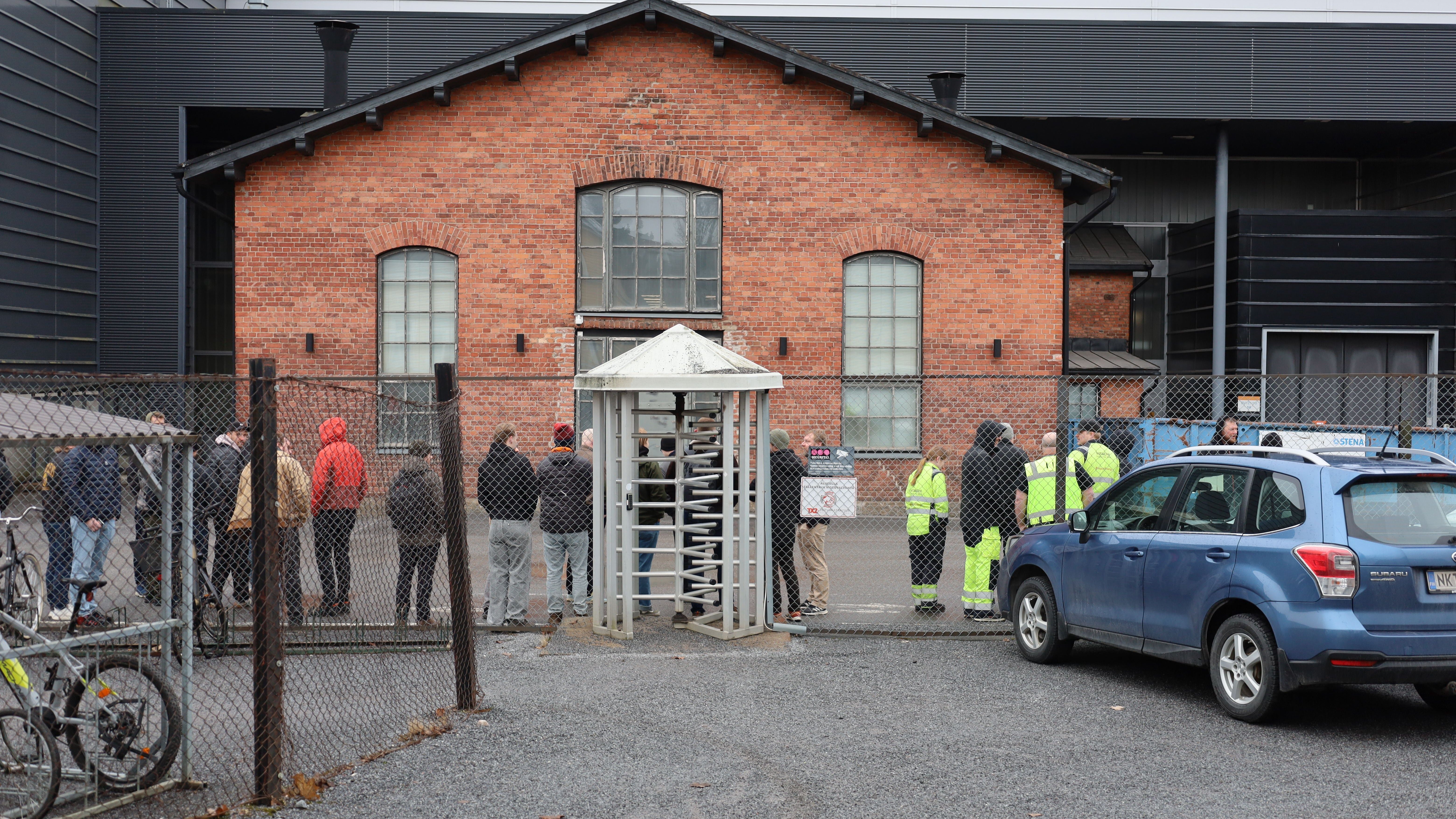
Follow Vasabladet’s coverage, and those observations start to feel pretty real. Take last week, for instance. The editorial team had to evacuate their city-centre office because of a fire alarm – an everyday sort of event, but one that shows how quickly a paper’s own operations can grind to a halt. It’s also a reminder that media is, after all, a workplace for real people, not just some abstract institution.
Then again, look towards Närpes and the wolf population has been a hot-button issue. Several new wolves appeared during the quota hunt. That’s a big deal around here, dividing opinions and stirring up deep-rooted feelings between rural and urban folk. Vasabladet often becomes the arena where these arguments play out. But who really owns that arena? Whose voice carries the furthest? That’s right at the heart of the study.
- Conditional belonging: A local paper can treat different minorities in different ways, and getting into the 'us' circle often means going along with majority norms.
- The boundaries of localness: Who decides what counts as an important local issue? The wolf debate in Närpes versus urban development in Vaasa – which gets more space, and what tone is used?
- The identity game: Vasabladet isn’t just a news deliverer; it’s an active player that helps build and reinforce our ideas about who 'we' are and who 'they' are.
Tens of wolves and one big question about identity
Let’s talk numbers for a moment. Last season’s wolf quota hunt saw more than eighty wolves culled. To be precise, nearly half of them had already been identified by local authorities beforehand. That figure tells us not only about strategic population management but also about the enormous responsibility of media like Vasabladet. It needs to present the facts without picking a side – whether that’s hunters, landowners or city dwellers.
And that’s exactly where "Conditionally One of 'Us'" drives its point home. It argues that a completely neutral position is impossible. A newspaper is always, in some way, tied to the mainstream perspective, and minorities – whether a language minority, rural residents or other groups – often have to adapt to how they’re perceived just to get their voices heard at all. It’s a harsh thought, but one we have to live with.
In the end, Vasabladet is like a mirror. But that mirror is never completely neutral. It’s angled a certain way, reflecting the reality we live in just a little bit skewed. The value of this study is that it forces us to look in that mirror and ask: who really decides what we see?