Abortion Pill Now Available Online: Does It Give Women More Autonomy, or Is the Quality of Care at Risk?
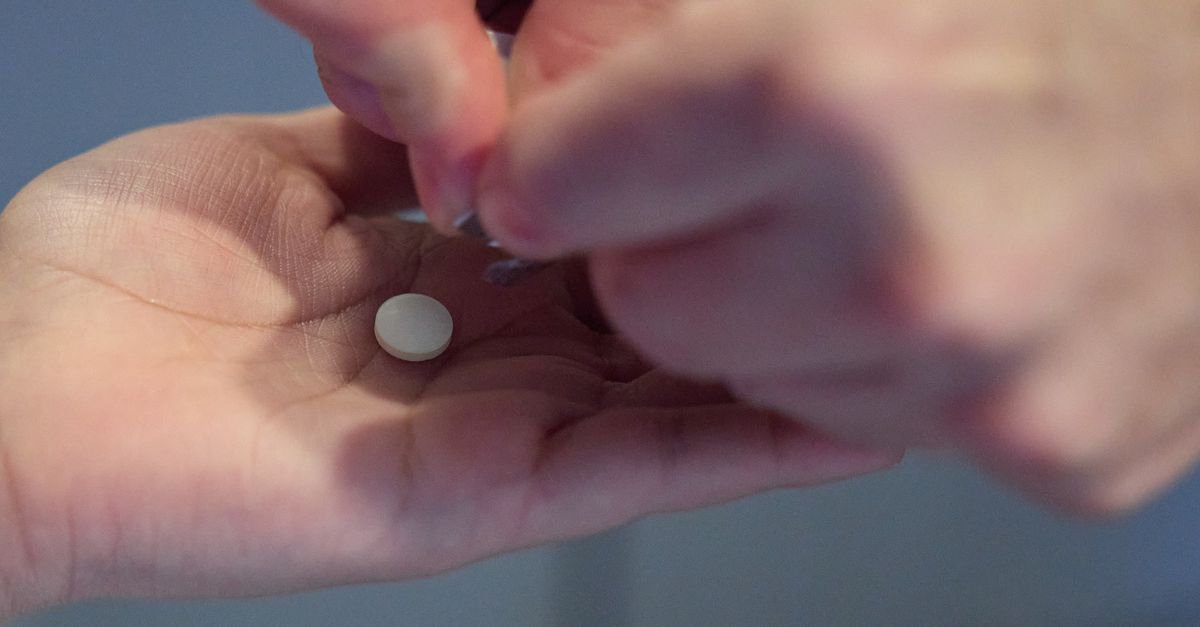
It's finally happened. As of this week, the consultation room no longer holds all the power. The abortion pill, a combination of Mifepristone and Misoprostol, can now be officially prescribed online by your GP. For many women, this is a long-awaited step towards greater autonomy. But at the same time, I'm hearing a clear concern in discussions and media reports: isn't this putting the quality of care at risk? It's a debate that’s heating up, and I can see both sides.
A Digital Doctor's Appointment: What Does That Actually Mean?
Let's start at the beginning. What does 'prescribed online' actually mean in this context? It's not like you're just adding a packet of painkillers to your online grocery order. The process is considered. You still need a consultation with your GP, it's just that this conversation takes place via a secure video link. It's what's called a digital consult. You explain your situation, the doctor asks the necessary questions, and if there are no medical reasons against it, the medication is sent to a pharmacy near you or delivered directly to your home.
We're talking about a medication that has been used worldwide for decades and is considered safe and effective. The pill is effective up to nine weeks of pregnancy. The thinking behind it is simple: why should you have to sit in a busy waiting room for such a significant, yet common, decision if a good, trusted conversation with your own GP can happen remotely?
Two Sides of the Coin: Freedom vs. Safety
The introduction of the online abortion pill hasn't happened without a bit of a fight. There are two opposing camps, and you can feel the tension right across the country.
On one side, you have the supporters, and I have to say, I find their arguments very compelling. They see this as a huge step forward for women's autonomy. Removing barriers like travel time, finding a babysitter, or the fear of being judged in the waiting room can, for some women, be the difference between a timely procedure and a late one, which is often emotionally heavier. It gives control back to the person it matters most for.
On the other side, there’s a legitimate concern that I’ve read in several opinion pieces. Critics call it a "worrying low point." Their biggest issue is the lack of physical contact. In an in-person appointment, a GP sees more than just words. Non-verbal cues, an uncertain posture, hesitation you might not say out loud – all of that is harder to pick up on a screen. The question is whether quality of care and personal attention are being traded for efficiency. Can a digital conversation offer the same safeguards as a physical consultation, where you make one of the most significant choices of your life together with your doctor?
What Does This Mean in Practice?
I think it's important to look at what this will actually mean for the average woman in Australia. It's not that anything goes from now on. There are some clear pros and cons, and we can just lay them out.
- Fewer barriers: For women in rural areas, or those with a packed schedule, the distance to care has literally and figuratively become smaller.
- Privacy: You can have the conversation from your own trusted environment, without worrying about curious onlookers.
- The role of the GP: Your own GP, who you might have known for years, remains the first point of contact. That's a big advantage over an anonymous online clinic.
- Missed signals: The biggest pitfall remains the inability to read body language as easily. An experienced doctor can pick up a lot via video call, but not everything.
- Remote care: It's a new skill for many GPs. The challenge is to make the digital appointment just as humane and thorough as an in-person one.
The Future of Women's Healthcare
We're at the start of a new chapter. The online abortion pill isn't a revolution, but it is a logical step in a healthcare landscape that's becoming increasingly digital. It's up to GPs to show that quality isn't tied to a location, but to the quality of the conversation itself. For women, it simply means more choice: the choice of whether they'd prefer to talk with their doctor from the couch, or in the familiar, but sometimes sterile, consulting room. Ultimately, it comes down to one thing: that every woman facing this difficult decision receives the best, most personal care available.