PrSM Missiles Make History: First Combat Use Against Iran and How It's Reshaping Gulf Defenses
In the early hours of March 3, 2026, Iran's skies held more than just surveillance drones; they became the stage for the first real-world test of the Pentagon's newest tactical game-changer. Informed sources at the Pentagon have confirmed the first-ever combat use of PrSM missiles (Precision Strike Missiles) in strikes targeting locations inside Iranian territory. Moving beyond dry official statements, what happened marks a turning point in the concepts of deterrence and surgical strikes, especially for Gulf nations watching every development next door.
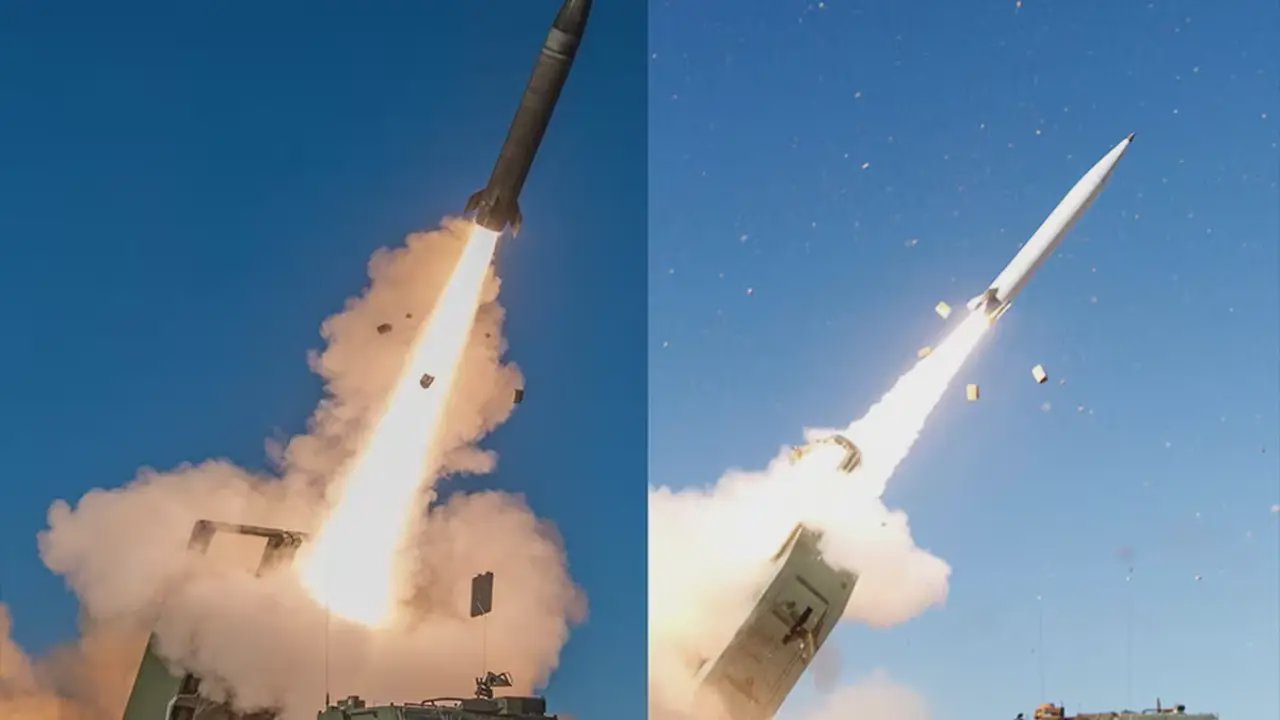
Why PrSM Missiles Jolted Tehran Awake
Tactical ballistic missiles aren't new to the region, but PrSM missiles are different. This generation replaces the older ATACMS, but it brings a whole new combat philosophy. We're talking about a missile launched from the familiar HIMARS platforms, but with a range jumping to 500 kilometers and accuracy within just a few meters. In the strike on Iran, distance wasn't just a number; the missiles flew at relatively low altitudes, and their warhead mass was enough to destroy fortified facilities without risking pilots.
For those interested in a detailed review (PrSM review) of the event, consider the speed of execution: Strategic B-1 Lancer aircraft prepped the theater first, then the PrSM missiles moved in for the "dirty work." This coordination shows the Pentagon is no longer interested in random strikes; it wants to eliminate targets at the push of a button.
A PrSM User Guide: From HIMARS to the Heart of Iran
If you're a military enthusiast looking for a practical PrSM guide, what happened on the ground is the best explanation. The missile is designed to operate within a "networked cluster" concept. Simply put, the HIMARS crew doesn't need to update target coordinates during flight; the missile receives updates via satellites or reconnaissance aircraft. In the attack on Iran, it seems the target was either moving or heavily fortified, yet the missile destroyed it with terrifying precision. Anyone following the operation's details will notice that the "how to use PrSM" question has become an open field manual for military leaders in the region.
- Speed and Agility: The missile can be launched within minutes of the platform arriving on site.
- Integration: It works with advanced US command and control systems, sharing information with F-35s and drones.
- Versatility: Its future anti-ship variant will turn the Red Sea into a small lake.
What This Means for Saudi Arabia: An Unmissable Strategic Opportunity
For Riyadh, the PrSM message is twofold. First: America possesses tools that Iran currently cannot counter, which strengthens the deterrence factor. Second: Saudi Arabia already has HIMARS platforms in its arsenal, meaning the path to acquiring PrSM missiles is wide open. This isn't just another arms deal; it's a quantum leap in air and ground defense. Imagine a Houthi drone launch from Saada, and the response comes from a Saudi HIMARS platform with a PrSM missile, needing no heavy air cover, hitting the site with pinpoint accuracy you'd see in a video.
The potential sale of PrSM to Saudi Arabia would be the largest in the program's history. Lockheed Martin is waiting for the green light from Congress, and the coming days might see shuttle diplomacy visits to Riyadh. This highlights the commercial dimension: we're not just talking about a weapon, but an integrated system requiring training, maintenance, and partial industrial localization aligned with Vision 2030. Saudi Arabia doesn't just want to buy missiles; it wants to build parts of them, and that's a strong negotiating point.
Conclusion: The PrSM Firewall Changes the Rules of Engagement
What happened in Iran days ago isn't just another news item. It's an announcement that America is back to playing with a new piece, and its Gulf allies can sleep a little easier – but the price tag will be hefty. Anyone looking for a comprehensive PrSM review will find that this missile has written the end of the era of exposed air bombing and begun the era of smart ballistic strikes from unassuming launch platforms. The region is now facing a new arms race, and Saudi Arabia has a golden opportunity to ride the wave before it builds further.