HDFC Bank share analysis: Stock dips after chairman's resignation amid economic headwinds
HDFC Bank (HDFCBANK) shares are experiencing sharp volatility in Friday's trading session, 20 March 2026, extending losses for a second straight day amid cautious market sentiment. This uneven performance follows the sudden resignation of the bank's non-executive chairman, Atanu Chakraborty, which raised near-term questions about governance but was met with swift moves by management and the central bank to contain the situation.
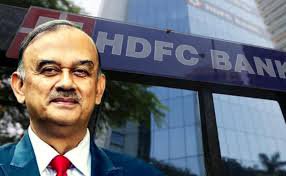
Stock dips despite central bank support
The stock opened today's session down about 1.7% at 784.75 rupees, extending losses from the previous session's 5.1% decline. This drop came despite a notable recovery in key BSE indices, with the Sensex climbing over 700 points at the open, suggesting the pressure on the stock is primarily due to internal factors.
Chakraborty's resignation, with his term originally set to run until May 2027, was based on "differences in values and ethics," without providing specific details about particular practices within the bank. However, swift intervention by the Reserve Bank of India (RBI) was crucial in preventing a deeper sell-off. The central bank issued a statement reassuring investors that "there are no material concerns regarding the bank's governance or conduct," describing it as a systematically important bank with sound financial performance and professional management.
Crisis containment and interim leadership appointment
Management didn't just rely on the central bank's statement; they moved quickly to fill the leadership void. Approval was granted for the appointment of Keki Mistry as interim non-executive chairman for three months, starting 19 March, to ensure business continuity and board oversight during this transition. In a call with analysts, Mistry described the resignation as "a bit puzzling," suggesting it likely stemmed from "personal relationship differences" between Chakraborty and the executive management rather than a fundamental governance issue.
Meanwhile, Managing Director and CEO Sashidhar Jagdishan affirmed that the bank will proactively review all procedures, stressing that "any large institution may have errors due to oversight, but there are no material violations." These comments helped curb the stock's downward trend.
Brokerage views: Cautious optimism amid the dip
Despite the pressure on the stock, most brokerage houses maintained their positive long-term view, with slight reductions in near-term expectations. Here's a comparative look at how some major private banks are faring according to recent analyses:
- One brokerage maintained a "Buy" rating with a target price of 1,240 rupees, implying a potential 55% upside from Thursday's levels, arguing that the "bank's governance is not at risk" and leadership continuity will ease concerns.
- Another investment firm trimmed its target price from 1,175 to 1,100 rupees, while keeping a "Buy" rating, believing the central bank's affirmation on governance provides comfort to investors.
- A third brokerage's analysis suggests the stock will remain under near-term pressure due to leadership uncertainty, but retains a "Buy" with a 1,080-rupee target.
- A report from analysts a week prior had indicated an "Outperform" rating with a 1,200-rupee target, projecting core operating profit growth of 18% annually between 2026 and 2028.
Estimates suggest the vast majority of analysts (45 out of 47) continue to recommend buying, reflecting confidence in the bank's strong long-term fundamentals.
External pressures: Rising oil and FII outflows
HDFC Bank's stock performance can't be viewed in isolation from broader market factors. March is witnessing heavy selling by Foreign Institutional Investors (FIIs) in financial stocks, with net sales exceeding 31,000 crore rupees in the first half of the month. This is driven by escalating geopolitical risks in the Middle East and rising crude oil prices above $110 per barrel. This flight to safety is weighing on all banking sector stocks across the board.
When comparing the performance of HDFC Bank and ICICI Bank under these conditions, the latter has shown relatively better resilience according to some technical indicators, with analysts noting ICICI is in a structurally stronger position for the near term. However, both banks remain strong long-term investment candidates due to robust capital adequacy ratios and healthy asset quality. Some brokerage estimates suggest both stocks are capable of delivering returns exceeding 25% over the next 12 months.
HDFC SKY: Smart tools for navigating volatile markets
Amidst the current volatility, reliable analytical tools become even more critical for investors. The HDFC SKY platform offers the "SKY Signals" feature, which integrates market data, technical indicators, fundamental analysis, and news into a single, user-friendly interface. This tool helps investors make evidence-based decisions rather than relying on informal tips or emotions – crucial during times of uncertainty like the present.
The platform also offers "Good Till Triggered" (GTT) orders, valid for up to 365 days, allowing investors to precisely set entry and exit points without needing to monitor the market daily – an ideal strategy for navigating the current swings.
Conclusion: Outlook remains positive despite near-term clouds
HDFC Bank remains a long-term bet. While the chairman's sudden resignation has created near-term uncertainty, and macroeconomic pressures from rising oil prices and FII outflows add to the challenges, the picture is not all bleak. The explicit backing of the central bank, the swift appointment of an experienced interim leader, and the bank's strong fundamentals in terms of profitability and asset quality (with gross NPA ratios at just 1.24%) all point towards a recovery once the current fog lifts. Investors will be watching for the announcement of a permanent chairman and the renewal of the current CEO's term in October – two events that will be key to fully restoring confidence.
Disclaimer: The information in this analysis is for educational purposes only and does not constitute investment advice. Investors are advised to always consult with a certified financial advisor before making any investment decisions.