STF ruling on Daniel Vorcaro: Majority votes to uphold arrest as Federal Police allege an 'armed wing'
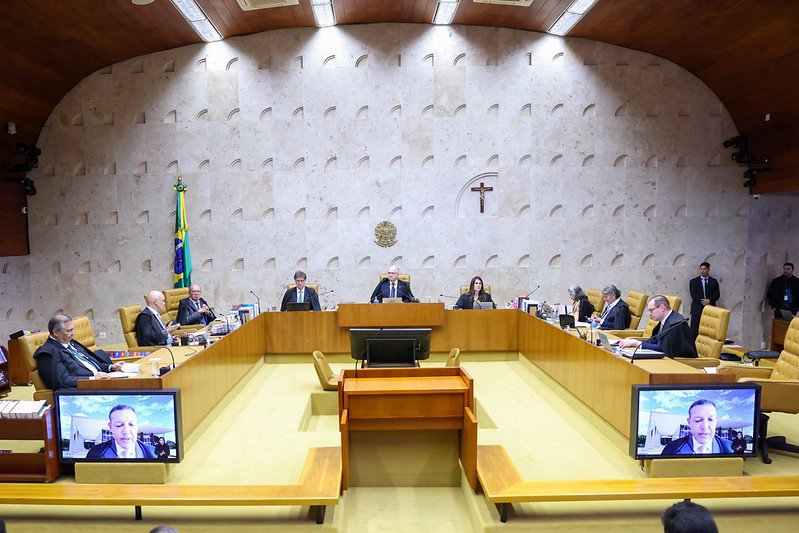
The virtual plenary of the Supreme Federal Court (STF) formed a majority this Friday (13th) to uphold the arrest of Daniel Vorcaro, who is under investigation in the so-called Master Case. The ruling, which began overnight, has already seen seven votes against the defence's bid to overturn the pre-trial detention order issued by the Federal Court in São Paulo.
What stands out at this stage of the proceedings is the content of the Federal Police report that underpinned the justices' decision. According to the Federal Police, Vorcaro is not just a businessman with financial troubles – he allegedly orchestrated a veritable 'armed wing' to intimidate opponents and adversaries. The group, investigations suggest, was planning violent actions against individuals linked to the businessman's commercial and political disputes.
How the justices voted
So far, the tally stands at 7 to 0 in favour of upholding the arrest. They followed the vote of the reporting justice, Gilmar Mendes:
- Gilmar Mendes (reporting justice): Argued for the legality of the pre-trial detention, citing the concrete gravity of the facts and the need to halt the activities of the armed group.
- Alexandre de Moraes: Highlighted the risk to public order and the dangerousness evidenced by the clues gathered by the Federal Police.
- Edson Fachin: Followed the reporting justice, emphasising that the elements presented justify the precautionary segregation.
- Luís Roberto Barroso: Also voted for upholding the arrest, mentioning the "strong probability of reoffending".
- Dias Toffoli, Cármen Lúcia and Luiz Fux complete, for now, the formed majority.
Votes are still pending from Nunes Marques, André Mendonça, and Cristiano Zanin. As the ruling takes place in the virtual plenary, the final result is expected by early next week.
The 'armed wing' and the next step: a plea bargain?
Based on information gathered during the investigation, the Federal Police have already mapped conversations and suspicious movements involving Vorcaro and individuals linked to organised crime. The alleged aim was to "resolve" disputes with rivals through threats and even commissioning attacks. This scenario has made pre-trial detention an essential tool for the investigation to continue.
For those seeking a complete guide to the Master Case, it's important to know that, with the STF trending towards upholding the arrest, the defence is now likely to pursue another avenue: a plea bargain. Sources close to the case have revealed that discussions about a potential plea deal have started gaining traction in recent days. Vorcaro is said to have shown a willingness to negotiate, in an attempt to reduce any potential sentence and, perhaps, secure the benefit of serving his time under house arrest.
Experts consulted assess that, given the volume of evidence and the seriousness of the accusations, a plea deal might be the only viable way out. The catch is that, to be accepted, it needs to bring new and consistent information that genuinely helps dismantle the criminal structure identified by the Federal Police.
What this ruling tells us about the country's political and legal landscape
More than an isolated case, the STF ruling on Daniel Vorcaro lays bare how the Brazilian justice system has been handling investigations involving high-powered business figures and suspicions of links to militias or death squads. By endorsing the arrest, the apex court sends a clear message: even defendants with economic influence won't escape pre-trial detention when there's a concrete risk to society.
For the average person, how to use the information from this ruling? Simple: keep an eye on how the plea bargain unfolds. If Vorcaro really spills the beans, new names could emerge, and then the case could take on even more explosive contours – potentially implicating politicians, businesspeople, and even public officials. It's the old maxim: when the walls come tumbling down, more than one person gets buried.
Follow our full coverage and understand why this ruling is one of the hottest of the year at the STF. The trend is that, even with a majority formed, the remaining votes might bring heated debates about the limits of pre-trial detention and the use of plea bargains in highly complex cases.