Israel-Iran Ceasefire Holds After Twelve-Day War – But Is the Truce Built to Last?
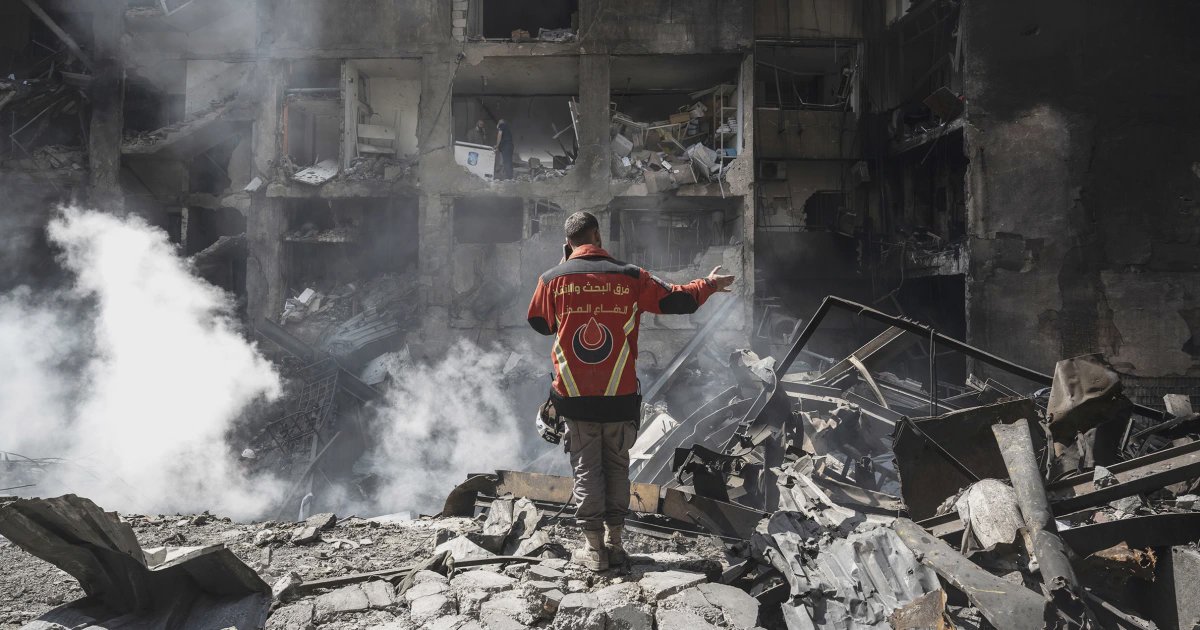
Just past midnight local time, the guns went quiet. After twelve days of back-and-forth that turned Beirut’s southern suburbs into a no-go zone and sent oil prices spiking past $150 a barrel, a Israel-Iran ceasefire has finally been hammered out through Qatari and Omani intermediaries. But anyone who followed the 2025 Iran–Israel war ceasefire knows the drill: the real question isn't whether the bombing stops, but for how long.
Let’s call this conflict what it already is in military cables and internal strategy memos: the Twelve-Day War. It started not with a bang but a blockade. On March 29, Iran’s IRGC navy tightened its shadow stranglehold on the Strait of Hormuz, stopping three Greek-managed tankers linked to Israeli-owned firms. Israel answered with a cyber-strike on Tehran’s power grid. Within 48 hours, Hezbollah rained 200 rockets onto the Golan, and the Israeli Air Force was gutting air-defense sites near Isfahan. By Day 4, the fighting had a new front: Lebanon.
That’s where the ground truth gets ugly. If you’ve been flipping through The War on Lebanon: A Reader — the newly compiled collection of field reports and satellite imagery that dropped last week — you’ll notice a chilling pattern. Almost every escalation since 2024 has followed the same playbook: Iran tests a maritime red line, Israel strikes a Revolutionary Guard commander, and Lebanon’s civilian infrastructure pays the bill. This time, the toll is staggering. The Lebanese health ministry counts 412 dead, a third of them women and children. Over 90,000 displaced from Tyre to the southern slopes of Mount Hermon.
So why did Tehran agree to pull back now? Simple: the oil weapon cut both ways. The U.S. Fifth Fleet didn’t just watch. After the USS Bataan took minor damage from a drone near Fujairah on Day 9, the Trump administration quietly notified both sides that any tanker hit within 50 miles of the UAE coast would trigger a direct American response. That changed the math. Iran’s supreme leader doesn't fear Israel’s F-35s as much as he fears a U.S. carrier group parked permanently off Qeshm Island. By Day 11, back-channel talks in Geneva had a draft.
Here’s what the ISRAEL-IRAN CEASEFIRE actually says — stripped of diplomatic fluff:
- Immediate halt to all strikes on Iranian nuclear and military sites, and reciprocal halt on Iranian drone/missile attacks on Israeli soil or shipping.
- Hezbollah must pull heavy rockets 20km north of the Litani River — a provision straight out of UNSCR 1701, but now with real-time drone verification.
- Lifting of Iran’s de facto Hormuz blockade within 72 hours, verified by Qatari observers.
- No formal agreement on Iran’s uranium enrichment — that’s the ticking bomb left for next month’s Vienna talks.
Walking through the rubble of Dahieh yesterday, you could feel the exhaustion. Shop owners were already sweeping glass. Hospital generators hummed on diesel smuggled from Syria. One old man selling coffee from a thermos looked at me and said: "We’ve had 50 ceasefires. This one feels like the 51st." He’s not wrong. The Israel Iran Ceasefire? question mark is doing heavy lifting. Because the underlying drivers — Iran’s nuclear drive, Israel’s undeclared red lines, and the political vacuum in Beirut — haven't moved an inch.
I’ve covered this beat long enough to spot the difference between a real off-ramp and a tactical pause. This is a tactical pause. The IDF is already restocking precision-guided munitions. The IRGC is moving missile launchers back into hardened tunnels. Both sides are catching their breath, not changing their minds. The only winner right now is global oil traders, who watched Brent crude dump $12 a barrel on the news. And maybe the people of Beirut, who get to bury their dead without the sound of supersonic booms overhead.
For how long? Watch the Strait of Hormuz. If Iranian fast-attack boats go back to "routine" harassment within two weeks, you’ll know the ceasefire is already dead. Until then, the Twelve-Day War is a closed chapter. But the book of 2026 is still being written — and it’s not a happy read.