Stormy Seas in the Strait of Hormuz: What the 'Athe Nova' Attack Means for You and Your Investments
It's not every day you get a call from sources in the shipping community with news that one of the vessels on the watchlist just took a drone to its hull. This morning was one such day. The image you see above – smoke rising from a blazing ship in the Strait of Hormuz – isn't a scene from a video game. It's the remains of the tanker Athe Nova, struck in what now appears to be a coordinated Iranian operation to choke the world's energy supply.
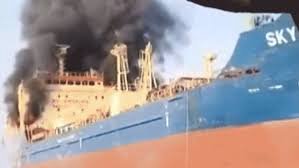
This is Stormy Seas for real. For those of us who track the undercurrents of geopolitics and commodities, this is the moment we've feared and prepared for over the years. Iran's Revolutionary Guard hasn't just sunk a ship; they've sent a signal that no one is safe anymore in the world's most crucial oil passageway. After the news of Ayatollah Khamenei's death and the massive Israeli-American airstrikes broke, it was only a matter of time before Tehran responded. And they struck where it truly hurts: the wallet of the entire Western world.
Robert Kagan's nightmare scenario unfolds
I've sat in several meetings with heavyweights like Robert Kagan – both in Washington and in closed seminars in Oslo. His main point has always been that when hegemony crumbles, power vacuums emerge that are filled with chaos. What we're seeing in Hormuz right now is the definition of chaos. Iran isn't just closing the strait with words; they're doing it with kamikaze drones and ships set ablaze. Internal sources describe the attacks as "indiscriminate" – they target anything that floats, aiming to create a psychological barrier so high that shipowners pull out. And it's working.
The insurance shock no one is talking about openly
Let's dive into the mechanisms making the markets tremble. Following the attacks on the Athe Nova and a couple of other vessels in the area, war risk premiums have exploded. We're talking about an increase from 0.2 percent to over 1 percent of a vessel's value – in under 48 hours. For a fully laden tanker, that means hundreds of thousands of dollars extra per voyage. But the worst part is that several leading insurers are now refusing to renew war risk coverage for these waters. From next week onwards, you're effectively self-insured if you go in there, unless you pay what they call "sky-high premiums." The consequence? Over 150 ships are already anchored and waiting. They don't dare move into the burning unknown.
What this means for you and your money
- Fuel Prices: Brent crude jumped over 13 percent overnight. This isn't trader speculation; this is physical fear that 20 percent of global oil supply is wiped off the map. Expect to see the price of diesel and petrol rise immediately.
- Freight Rates: The cost to ship oil from the Middle East to Asia is now at its highest in over six years. This extra cost will hit us all, whether it's on our electricity bills or on the goods in the store.
- Security Policy: Europe is once again caught with its pants down. The US "shadow fleet" of sanctioned ships is also becoming a target, making it even harder to replace the missing energy.
"Sarah Strong Postgame Nova" – when the market talks
It's in moments like these that I always listen to the real insiders. The headlines buzzing around financial chat rooms – "Sarah Strong Postgame Nova" and especially "MUST LISTEN: Our Stock Watchlists Are On Fire!" – aren't random noise. They're an echo of a market condition where half are panic-selling, while the other half (the one making money) looks at their watchlists and thinks: "Where are the opportunities?"
Just like Sarah Strong delivers in crucial moments on the court, there are now some sectors that are really showing their muscle. Defence companies? Yes. Energy firms with production outside the Middle East? Absolutely. But also the shipping companies that own the few vessels that actually dare to sail, and who can demand premiums previously unthinkable. This is the brutal reality of our time: geopolitical risk translates directly into cash flow for those willing to take it.
Conclusion: The new normal
We've talked about the scenarios for years. Now they're here. The attack on the Athe Nova is more than just a news story; it's a turning point. The world can no longer rely on the Strait of Hormuz being open 24/7. This means higher prices on everything, and it means we have to rethink how we trade, invest, and plan. Those who listen to what the market is really saying – those who have their ears to the watchlists – will find the way. The rest will just watch the fire burn.