Sid Rosenberg's Apology and the High-Stakes Gamble of Talk Radio
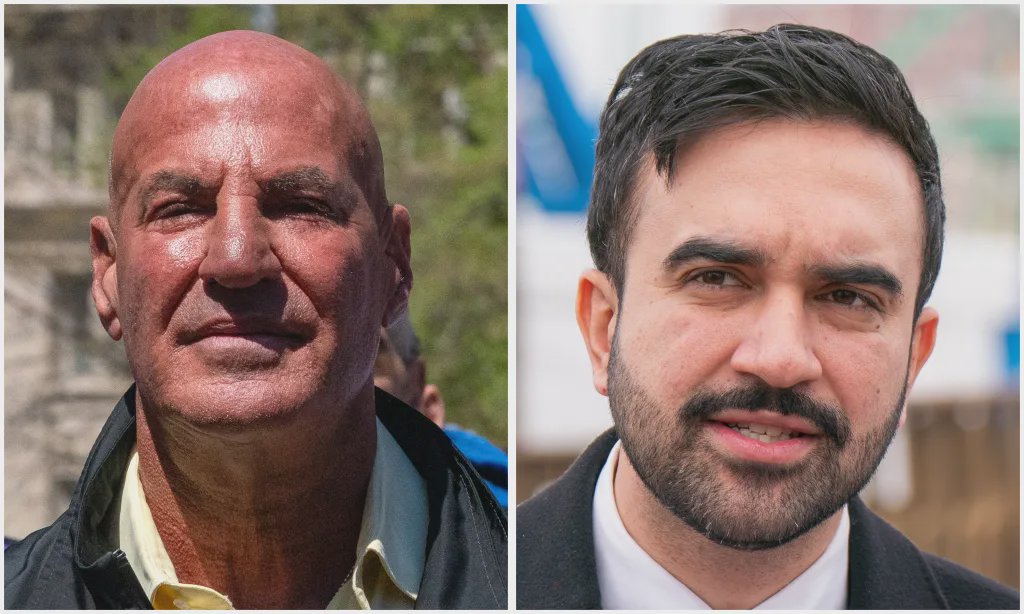
Let’s be honest for a moment. If you’ve ever tuned into New York radio—or anywhere across the country where straight-talking, working-class commentary still thrives—you know Sid Rosenberg. You recognise the voice, the rhythm, the guy who sounds like he’s yelling at the TV from his easy chair while you’re stuck in traffic. He’s been a staple on the airwaves for decades, and his current home at WABC fits him like a glove. But this week, the Sid Rosenberg Show became the headline itself, and not for reasons his programme director would have hoped.
By now, the soundbite has spread through every political newsletter and newsroom chat group in the city. Sid took aim at Mayor Mamdani. And this wasn’t just a disagreement over policy or a questioned decision. He went after the man personally in a way that felt less like political commentary and more like a public takedown. The language was sharp, the tone aggressive, and the target unmistakable. It was the kind of raw, unfiltered segment Sid’s fans love. But this time, the backlash was instant. Mayor Mamdani didn’t let it slide; he hit back, condemning what he called the "bigotry" of the right-wing radio host. He made it public, stating clearly that he found the comments not just offensive, but dangerous.
And here’s where things get real for anyone in this industry. For a brief moment, WABC drew a line. They defended their man. That’s what good stations do. You back your talent, especially someone like Sid who commands a loyal audience—listeners who spend money with advertisers that buy time on his show. It’s a simple, sometimes uncomfortable equation: ratings equal revenue. But then, something changed. Public pressure, advertiser concerns, the sheer scale of the backlash—it became a story that wouldn’t fade. Which brings us to today, and the headline no one expected on Tuesday morning: Sid apologises.
I heard the apology this morning. You could hear it in his voice. This wasn’t the usual "I'm sorry if you were offended" routine you get from politicians. This was a man who looked in the mirror and perhaps didn’t like what he saw. He didn’t just read a prepared statement; he wrestled with it on air, turning the microphone on himself in a way rarely seen in today’s media echo chambers. He essentially asked: What’s The Furthest Place From Here? Where do you go when your own words become the story? For a broadcaster, the answer is often a quiet room with a programme director and a suspension letter. But Sid got a second chance—at least for now.
This entire episode, from the initial attack to the station’s defence, and finally today’s admission of fault, exposes the tightrope walk that defines modern talk radio. It’s an industry built on passion and outrage, but at the end of the day, it’s still a business. And that business model is under pressure. Let’s break down the forces at play:
- The Talent Factor: Sid Rosenberg is the product. His personality, his strong opinions, his ability to make you feel something—that’s what keeps the commercials profitable. A station can’t simply replace that chemistry with a syndicated feed and expect the same numbers.
- The Advertiser Equation: Ad buyers don’t care about free speech; they care about returns. When a host becomes a magnet for controversy, the risk of brand association starts to outweigh the reach. That’s when the sales team’s phones start ringing.
- The Audience Expectation: Sid’s listeners tune in because he voices what they’re thinking. If he holds back, if he softens his act, does he lose the very thing that makes him valuable? An apologetic Sid is a quieter Sid, and a quieter Sid is a less profitable Sid.
The fact that WABC initially stood by him, and that Sid felt compelled to walk it back himself, says everything about the shifting foundations beneath this industry. It’s a reminder that in the attention economy, the line between a ratings winner and a PR disaster is thinner than a production assistant’s CV. The mayor’s office got its satisfaction, and the Sid Rosenberg brand took a serious hit. But in the unforgiving world of New York media, the real question is never about the apology. It’s about the ratings six months from now. Will his base forgive him for backing down? Will the advertisers return if he does?
This isn’t just a local squabble. It’s a case study. For every media executive looking at their own roster of talent, the Mamdani-Rosenberg episode is a cautionary tale. How do you harness the fire without getting burnt? How do you defend the fortress while the moat is filling with fuel? For now, Sid is back behind the microphone, the apology lingering in the air like smoke after a fire. The embers are still hot, and in this business, you learn to watch your step.