The Day Robert Morales Went from Hero to Villain in Five Seconds
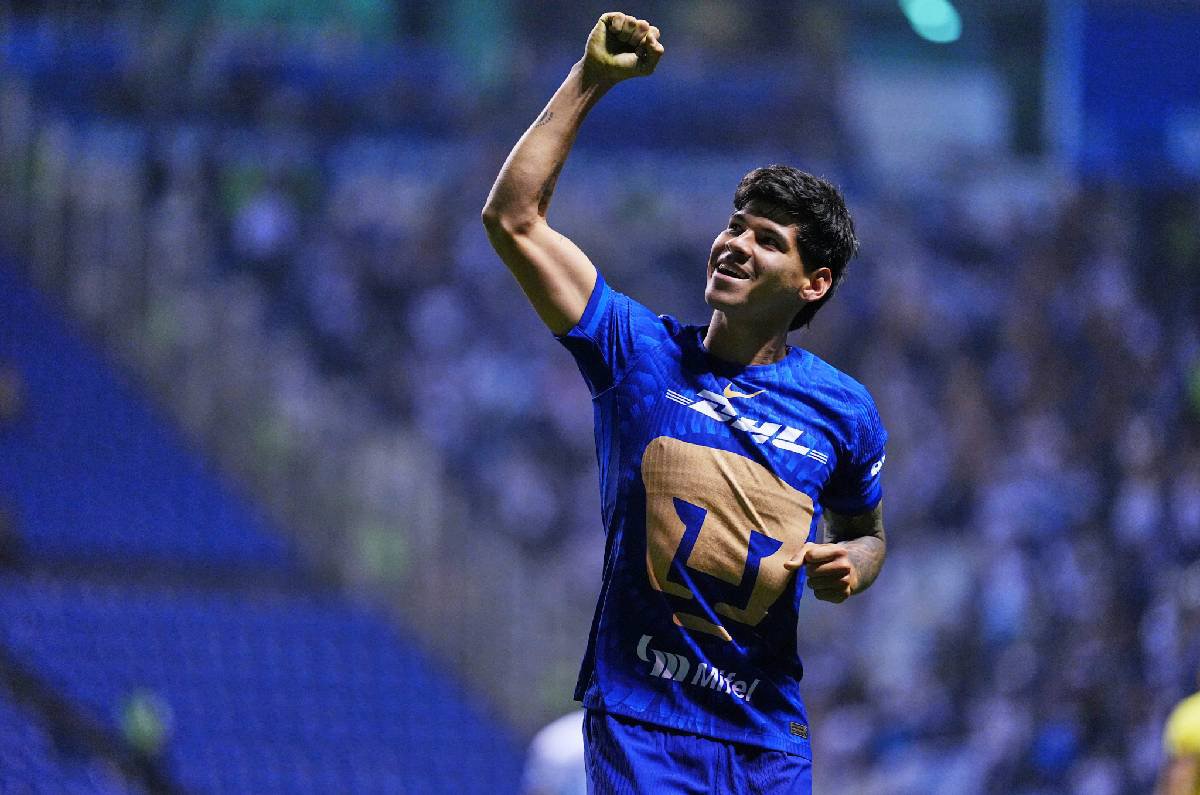
There are images that get etched into the collective memory of Mexican football. The sight of Robert Morales missing an open goal, in the dying seconds of the match against Toluca, is one of them. In less than five seconds, the Pumas striker went from being the hero who could snatch victory to becoming the villain of the night, his name trending all across Mexico. But behind the meme and the easy headline, there's a far more complex story that deserves to be analysed with the coolness of a surgeon and the passion of a fan.
The moment that defined a match and a season
It was the 94th minute at the Estadio Olímpico Universitario. Pumas were losing 2-1, but they had one last chance: a perfect cross that left Robert Morales all alone, in front of an empty net, with no goalkeeper. What looked like a certain equaliser turned into one of the most incredible misses in Liga MX memory. Morales's shot went wide, and with it, the hopes of an entire team. The footage went viral: media outlets in Argentina, Spain, and the US all picked up on Toluca's "miracle."
The cruelest part is that, up until that moment, Robert Morales had been having a decent game. He had fought for every ball, held off the scarlet defence. But football is ungrateful: one second lifts you to Olympus, the next buries you in hell. The question everyone's asking is: how does a player bounce back from something like that?
Hero, villain, or victim of the media monster?
In the corridors of the Estadio Olímpico Universitario, the whispers haven't stopped. Some defend him, others condemn him. I got a tip that, in the privacy of the dressing room, words like "shameful" were among those echoing loudest. But I refuse to boil this down to a simple guilty verdict. Behind every mistake lies a web of pressures, expectations, and, above all, a mental well-being that professional football often conveniently forgets.
Remember that old myth Mary Shelley immortalised in Frankenstein; or, The Modern Prometheus: the scientist creates a monster and then flees from it. Something similar happens in football. The media, the fans, and the clubs build up figures, idolise them, and at the first mistake, turn them into beasts. Robert Morales isn't a monster; he's a human being who missed a goal. But the current narrative is devouring him.
The cost of a mistake: from millions to the personal notebook
The impact of this play goes far beyond the emotional. In the boardrooms, Pumas' directors are already crunching the numbers. According to sources close to the club, the institution was planning to negotiate a contract improvement for Robert Morales based on his performance and interest from other teams. That potential raise, which would be in the millions, now hangs by a thread. What's the market value of a striker who misses an open goal at the crucial moment?
But there's also a human cost that doesn't show up on the balance sheets. I found out from a friend who works in the dressing room that after the match, Matteo, Robert Morales's young son, asked him why everyone was angry with daddy. The striker, I'm told, could only hug him and say tomorrow would be another day. That scene, so intimate and far from the cameras, made me think about the need for a Dr. Robert Morales, MD, a mental health specialist working side-by-side with footballers, not just to overcome these traumas, but to prevent the pressure from crushing them in the first place.
Because in the end, every player carries their own notebook, their personal diary where they jot down their fears, frustrations, and dreams. If only there was a guide, like that "It's a Baker Thing: Personalized Notebook Journal with Name Blank Lined Customized Diary Logbook Gifts" I saw online, but personalised for each footballer, where they could write down their nightmares and turn them into lessons. Because this isn't just any baker's dozen; it's a matter of professionals needing the tools to manage adversity.
Lessons for Pumas and for Mexican football
The Pumas board now faces a crossroads. They can let Robert Morales sink under the weight of criticism, or they can rally around him and turn this into a success story. If the club has any memory, they'll recall that great figures have gone through similar moments. What defines a great isn't the absence of errors, but the ability to rise after them.
- Protect the player: Shield him from the external noise, surround him with his family, and give him public confidence. One mistake doesn't erase a career.
- Invest in mental health: Bring in sports psychologists permanently, not just when crises hit. The mind is the most important muscle.
- Don't make rash decisions: Wait for the storm to pass before sitting down to negotiate his future or contract. Decisions made in haste are usually the worst.
In my opinion, the real failure wasn't Robert Morales's; it was a system that doesn't protect its players, that exposes them to public ridicule without a safety net. Liga MX urgently needs to implement psychological support programmes, and clubs must understand that investing in the mental health of their squads is as important as signing a goal-scorer.
Meanwhile, the striker will have to deal with the memes, the criticism, and the weight of disappointed fans. But if there's one thing I've learned in all my years covering football, it's that this sport always offers second chances. I'd bet that Robert Morales will get his. And when he does, I hope we all remember that before being a villain, he was a human being who deserved another opportunity.
Football is this cruel and this wonderful. It gifts us moments of glory and infamy, and reminds us that, in the end, we are all Robert Morales: vulnerable, imperfect, and yet, always in search of redemption.