Ramses and the Pharaohs‘ Gold: Is London’s Biggest Exhibition of 2026 a Cultural Triumph or a Commercial Cash-Grab?
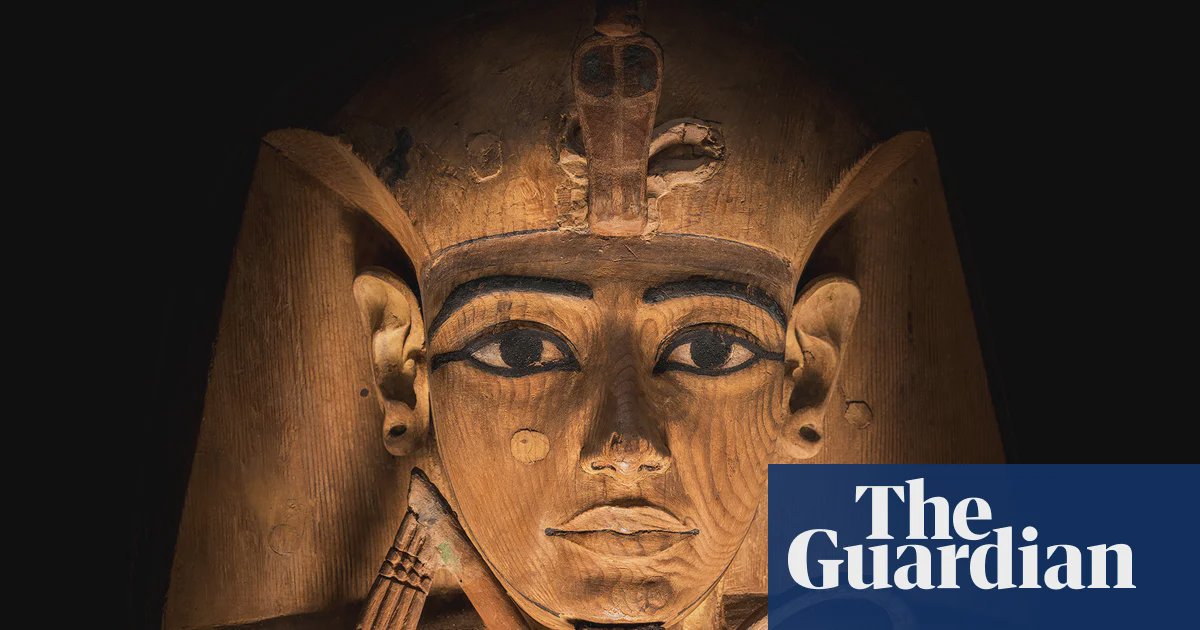
Walk past the Battersea Power Station’s towering art deco chimneys these days, and you’ll notice a different kind of crowd. They’re not just here for the overpriced flat whites in the turbine halls or a spot of shopping; they’re here for a king. Not a chart-topping one, but Ramses II, the Pharaoh of Pharaohs. The Ramses and the Pharaohs‘ Gold exhibition has landed, and if the Google search data is anything to go by—with Londoners frantically searching for "06:00 PM" slots and "12:00 PM" admissions—this is the ticketed cultural event of the season. But as I stood in the queue last week, listening to a father explain to his daughter that they were about to see "the real-life Moses guy," I couldn’t shake the feeling that we’re witnessing a fundamental shift in how we consume history. This isn’t just an exhibition; it’s a business model.
The Pharaoh as a Product
Let’s get one thing straight from the outset: the sheer audacity of what’s on display is staggering. We’re talking about 180 ancient Egyptian treasures, many of which have never left the soil of Egypt before. The centrepiece, the original wooden coffin of Ramses II himself, hits you with a weight that no VR headset can replicate. It’s a moment of genuine, profound historical connection. But the journey to that moment is meticulously engineered. This show, produced by Neon (the same outfit behind the blockbuster Tutankhamun exhibition a few years back), understands that the modern audience doesn’t just want a museum; they want a spectacle. The lighting is theatrical, the galleries are moody, and the narrative—voiced by the ever-present historian Dan Snow—is sweeping and cinematic. It’s designed for the 'gram as much as for the scholar. And you know what? That’s not inherently a bad thing. If it takes the low lighting and the gold-glinting displays to get a family through the door on a rainy Tuesday at 03:00 PM, then so be it. The key artefacts, from the gilded mask of Pharaoh Amenemope to the colossal stone torso that greets you at the end, are undeniably world-class.
The Economics of Entry: Decoding the Time Slots
This brings us to the elephant in the room—or rather, the pricing structure in the ticket portal. The search for "London: Ramses and the Pharaohs‘ Gold Exhibition Ticket" isn’t a simple transaction. It’s a strategic decision. Why? Because the cost of witnessing the splendour of the 19th Dynasty varies wildly depending on when you choose to pay your respects.
- Peak Times (e.g., 12:00 PM, Weekends): You’re looking at up to £32 for an adult. This is the premium experience for tourists and those who value convenience above all.
- Off-Peak Slots (e.g., Mid-afternoon, Weekdays): Prices drop to around £24.90. This is the savvy local’s window.
- The School & Community Initiative: The organisers have earmarked 5,000 complimentary tickets for local schools and 10,000 off-peak tickets at £15. This is a crucial, and often overlooked, part of the story.
It’s a textbook case of dynamic pricing applied to culture. The model ensures the venue hits capacity during slow periods while maximising yield when demand is insatiable. For a family of four looking at the weekend matinee, the math is brutal. By the time you add the audio guides (an extra cost that feels particularly cheeky) and maybe the VR experience, you’re pushing £150 faster than you can say "Ozymandias."
More Than Just Bling? The Cultural Dividend
So, where does the value lie? This isn’t the British Museum, where you can wander in for free and see the Rosetta Stone. This is a privatised, touring blockbuster with a clear commercial mandate. Yet, to dismiss it as mere bling is to miss the point. The exhibition is intrinsically linked to the brand-new Grand Egyptian Museum (GEM) in Giza, which opened last year and is currently drawing nearly 19,000 visitors daily. The proceeds from this global tour are funding current excavations and conservation back in Egypt. When you buy that ticket for the Battersea Power Station show, you’re effectively subsidising the preservation of the very civilisation you’ve come to admire.
Furthermore, there’s an undeniable diplomatic layer here. The exhibition acts as an "ambassador" for Egypt, a soft-power play designed to whet the appetite for the real thing at GEM. And judging by the crowds murmuring with awe around the animal mummies and the intricate amulets, it’s working.
The Verdict: A Date With Destiny (and a Pricing Algorithm)
The Ramses exhibition is a mirror reflecting the current state of the cultural sector in London. It is spectacular, immersive, and deeply commercial. If you go expecting a quiet, academic afternoon with a few dusty shards of pottery, you’ll be disappointed. But if you surrender to the theatre of it all—if you let the low lights and the golden treasures transport you—there is genuine magic to be found.
My advice? Treat it like a West End show. Book ahead, choose your time wisely, and ignore the upselling. The London: Ramses and the Pharaohs‘ Gold Exhibition Ticket is your passport to a version of ancient Egypt that is bold, loud, and unashamedly rich. Just like the Pharaoh himself, it understands the power of a grand entrance and the value of a lasting impression. Just be sure to check if your chosen slot is the 32-quid version of history, or the 24-quid one. The artefacts won’t know the difference.