Eye Emergency Care: How ASST Lariana’s 3D Surgery and Immediate Visits Are Revolutionising Treatment
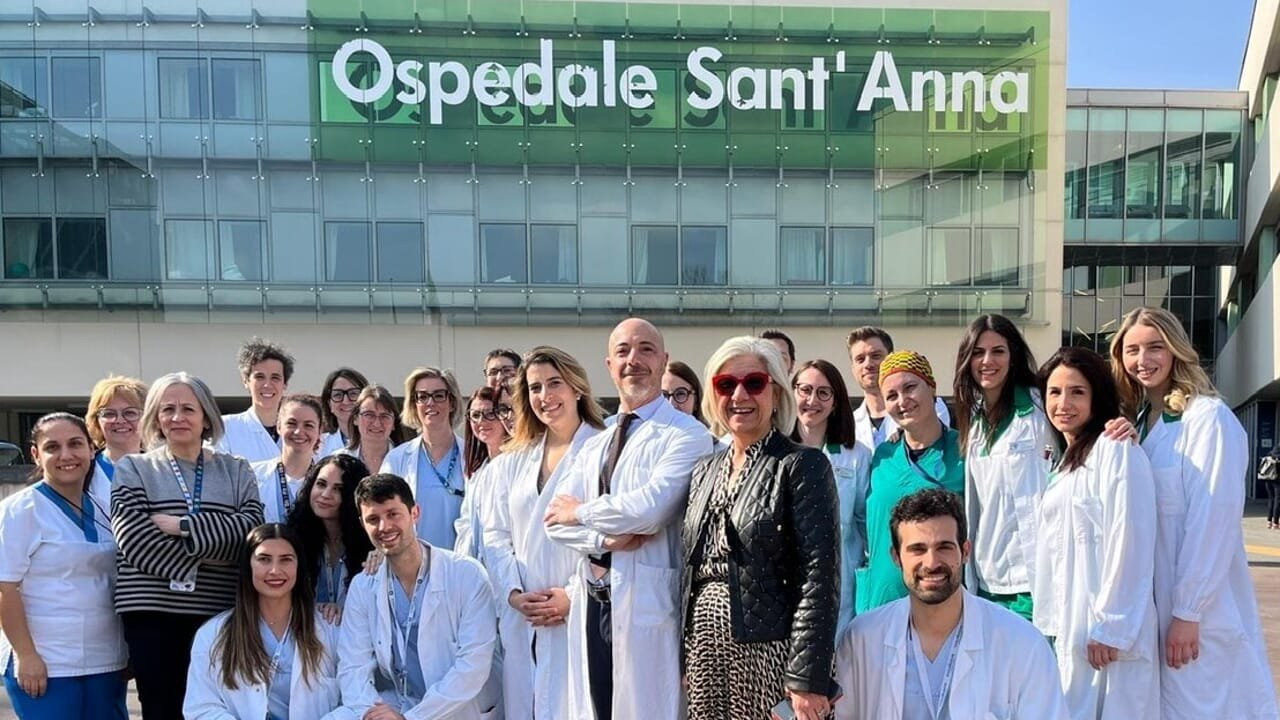
If you’ve ever spent endless hours in a general emergency room with a red eye or a foreign object stuck in it, you know the wait can be torture. But from today, for those living in Como and Valtellina, things have changed for the better. ASST Lariana has just raised the bar for local healthcare: the first dedicated eye emergency service is now open, with technology that would make any international centre jealous.
Why a Dedicated Eye Emergency Service?
The answer is simple: time. In traditional triage, a non-bleeding eye injury is often downgraded compared to a heart attack or an open fracture. But a retina that’s detaching won’t wait. With this new model, ASST Lariana has created a dedicated pathway at the Como facility, with operational extensions in Sondrio. No more chaos, no more referrals: patients are quickly directed to specialists who can diagnose in minutes.
How to Use the New Eye Emergency Service: A Step-by-Step Guide
If you’re wondering how to make the best use of this facility, here’s a quick practical guide. First, you don’t need to go through the general emergency room triage. There’s a separate entrance (just check the signage – it’s clearly marked). Bring your ID and any referral from your GP – though it’s not mandatory in an emergency. Once inside, a nurse specialising in ophthalmology will give you a quick vision test and measure your eye pressure. Only then will you be seen by a doctor, who may decide to prescribe treatment, a short hospital stay, or, in more serious cases, 3D surgery.
Review of the New Technologies: Why 3D Surgery Is a Game-Changer
Now let’s talk about the real crown jewel (pun intended). ASST Lariana has installed a 3D vitreoretinal surgery system that allows the surgeon to operate while looking at a 4K monitor instead of a traditional microscope. What are the benefits? Based on early feedback and internal reports, here’s what stands out:
- Less fatigue for the surgeon, meaning more precision during long procedures.
- Up to 40% wider field of view compared to a standard microscope.
- Ability to record the surgery in high definition for training and review.
- Less invasive for the patient, with faster recovery times.
This isn’t just a lab promise: the first emergency procedures for retinal detachment and vitreous haemorrhage have already been successfully performed. Patients were able to go home after just 24–48 hours, regaining good vision in record time.
Emergency Care Reviews: What Early Users and Specialists Are Saying
I’ve gathered some informal feedback from people who have already used the service. One woman from Como, brought in by her husband because of a sudden spot in her vision, commented: “I was expecting a night on a stretcher, but within two hours I’d had all the tests and a consultation with the head doctor. Absolutely out of this world.” The doctors are equally enthusiastic: separating eye emergencies from the general chaos has reduced staff workload and improved diagnostic quality.
The Future of Healthcare in Lariana: Shorter Waits, More Technology
ASST Lariana’s investment doesn’t stop here. In the coming months, new equipment for outpatient laser therapy and a telemedicine system to connect peripheral facilities in Valtellina and Valchiavenna will arrive. The goal is clear: to ensure that any resident, even in the mountains, can access a high-level eye emergency service without having to travel all the way to Milan. If you want advice from someone who has followed this sector for years: keep an eye on this model. Because what starts today in Como could become the standard across Italy tomorrow.