Paraná Pesquisas poll shows Flavio Bolsonaro leading Lula: Here are the numbers and what to expect
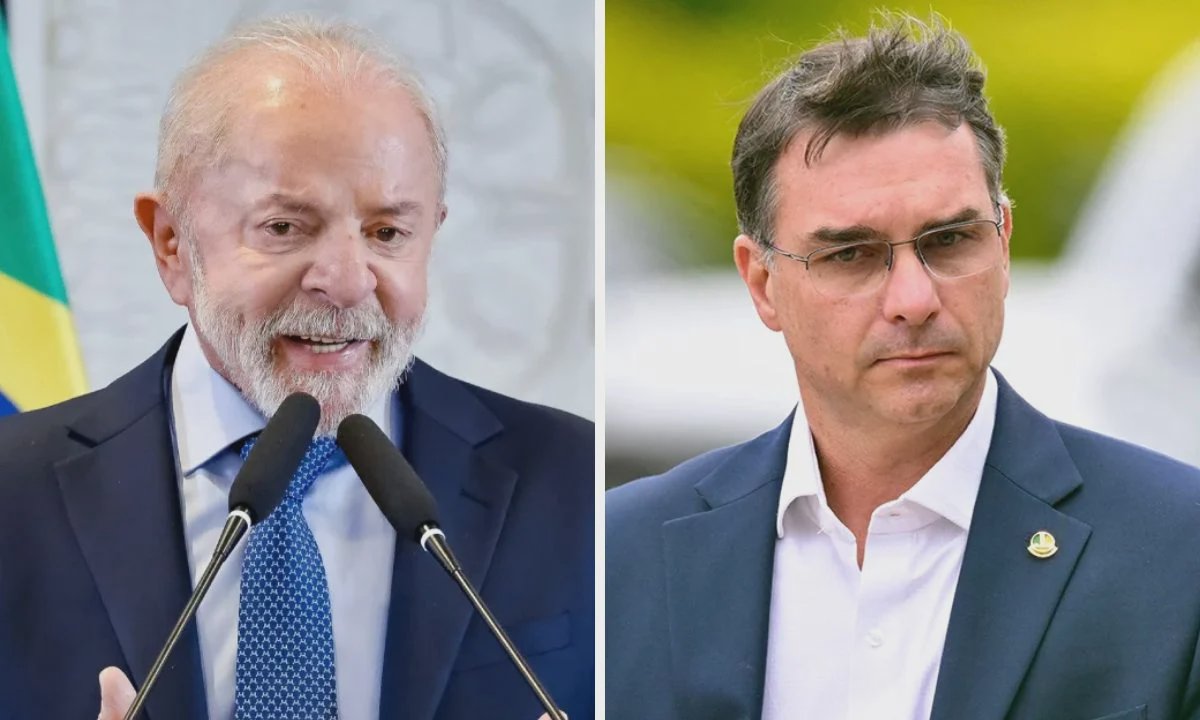
It looks like the electoral race has just gotten another one of those juicy chapters we love to dissect. Behind the scenes, the survey making the rounds in political circles this March reflects what people on the ground have been feeling: the contest between Flavio Bolsonaro and current President Lula is tighter than ever, but with a slight tilt in the balance that deserves attention.
According to the data circulating in Brasília, the runoff simulation puts Flavio Bolsonaro at 45.2% of voting intentions, against 44.1% for Lula. It's a small difference, technically within the margin of error, but it carries immense symbolic weight. When I see a move like this, especially coming from Paraná Pesquisas, a polling institute known for having its finger on the pulse of the street, it reminds me that elections are won on the finer details.
What do the Paraná Pesquisas numbers actually mean?
You can't just look at the final score. You have to dive into the breakdowns. This specific result—45.2 to 44.1—shows something interesting: Flavio Bolsonaro isn't just withstanding government pressure; he seems to have found a way to consolidate the base he was missing. In previous polls from the same institute, the scenario was a complete statistical tie. Now, there's a slight edge for the opposition candidate. And let's be honest, that changes the tone of the campaign.
This is where the analysis that strategists are doing behind the scenes comes in. My take is this: the strategic vote, which many bet would naturally flow to Lula in the runoff, appears to be moving differently now. The moderate voter base, the one that decides in the final days, is looking at Flavio and seeing a viable alternative. It's no longer just an "anyone but him" vote, but rather a vote "for" something.
The factors behind this silent shift
If you're lost in this sea of numbers and want to understand how to use this information, think about the points that analysts are pointing to as decisive behind the scenes:
- Regional Breakdown: Paraná Pesquisas captured significant growth for Flavio in the interior of São Paulo and in the South, where rejection of the federal government is more entrenched. Lula's base shrank in these areas compared to the last survey.
- Economic Breakdown: Among those earning up to two minimum wages, Lula's advantage is still large, but Flavio drastically closed the gap. This shows that the governance message is resonating where it was previously thought untouchable.
- Gender Breakdown: The poll shows a statistical tie among men, but Flavio appears numerically ahead among female voters in some age groups—a phenomenon that has even surprised the strategists themselves.
The warning sign and the trend
For Lula's side, these numbers serve as a red flag. The scenario is no longer the "calm seas" of months ago. The government has been trying to tarnish Flavio's image, but Paraná Pesquisas shows that strategy hasn't been able to break through the candidate's vote ceiling so far. On the contrary, the movement is one of consolidation.
For Flavio Bolsonaro, the major challenge now is to keep the momentum going. In politics, a slight advantage released too early can breed complacency. What this March survey does is provide fuel for the campaign to stay on the offensive, showing that victory is within reach. It's that classic "if things are like this now, we can grow further" moment.
It's worth remembering that there's still a long way to go until October. But if there's one thing I've learned covering elections in Brazil, it's that this institute often has a keen sense for capturing the underlying currents before they become a tsunami. For now, the message is clear: this election will be decided in the trenches, in the details, and above all, in each side's ability to convince that 10% who are still undecided. And if this latest poll is anything to go by, Flavio is heading into the final stretch with the wind at his back.