King Fahd International Airport: Your Gateway Navigating Flight Changes and Pioneering Services
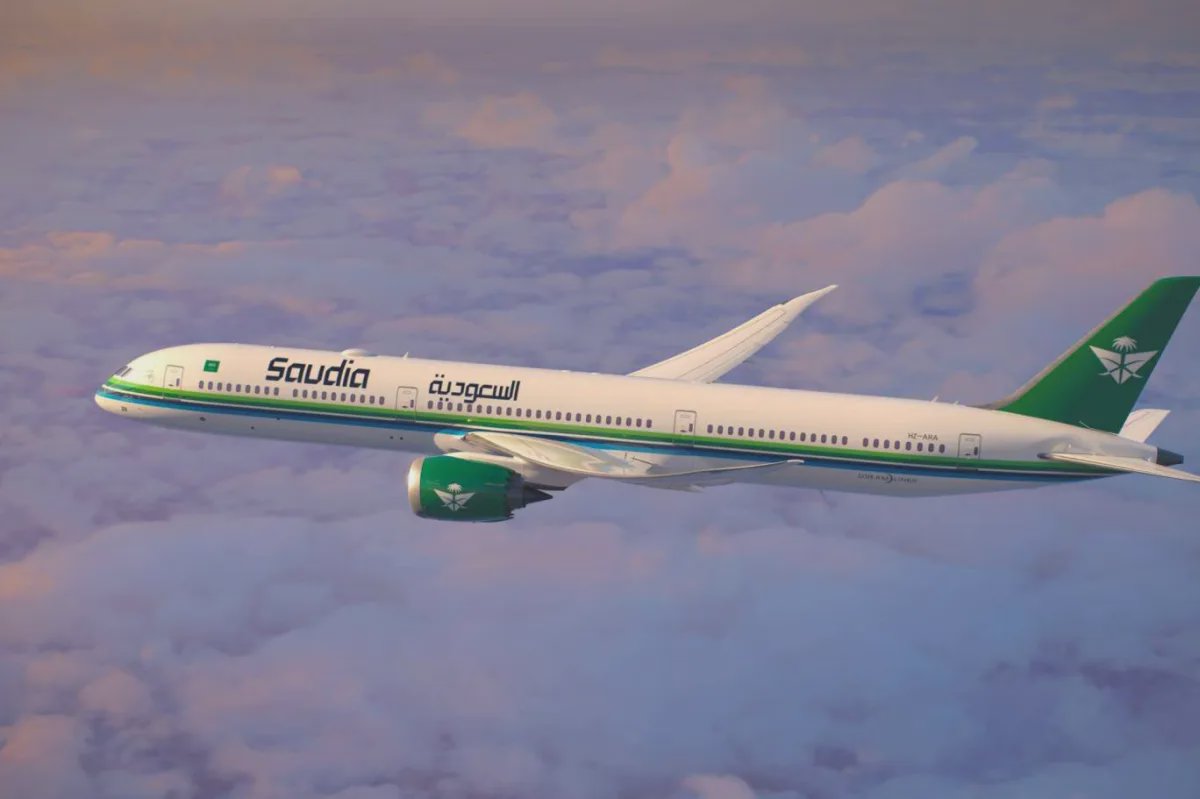
Amidst the rapid transformations in the regional aviation industry, King Fahd International Airport in Dammam remains a vital hub for air traffic in the Kingdom. In recent days, with Saudia announcing an extension of its suspension of flights to several Gulf capitals, attention has turned once again to this bustling airport. It's seen not merely as a transit point, but as a comprehensive destination reflecting the evolution of the travel experience in Saudi Arabia. Beyond the headlines, let's read between the lines to understand where the Eastern Province's major airport stands today.
Navigating Challenges and Operational Strategy
The recent operational decisions, though seemingly temporary, present a real test of flexibility for King Fahd International Airport. Shifts in flight schedules, whether to Kuwait, Abu Dhabi, or Doha, directly impact traveller flow, from business professionals to families. What's noteworthy here is the airport's ability to maintain service levels despite these changes. The airport's massive infrastructure, designed to handle millions of passengers, positions it as a pivotal point for any flight redistribution during contingencies. We're not just looking at runways, but an integrated logistical ecosystem that adapts to every regional shift.
Alfursan Lounge and Hilton Hotel: When Waiting Becomes an Investment
The frequent flyer has always been the focus of development in global airports, and here the role of the Alfursan Lounge at King Fahd International Airport comes to the forefront. This lounge is no longer just a waiting area; it has transformed into a fully integrated workspace and relaxation zone. I recall speaking last week with an investor in the Eastern Province's tourism sector, who emphasised that a lounge of this calibre has enhanced the airport's appeal for hosting impromptu meetings for business travellers with just a few hours between connecting flights.
Complementing this is the Hilton Hotel at King Fahd International Airport. The hotel, directly connected to the arrival and departure halls, is no longer a secondary option but a core part of the airport's strategy to accommodate passengers whose flights might be delayed or suddenly cancelled. The experience of stepping off the plane and entering your hotel room without leaving the airport is a welcome luxury, especially for families and senior citizens. Given the current climate, we can expect increased collaboration between the airport administration and the hotel to offer special packages for travellers affected by flight changes.
Customs: The Kingdom's Premier Gateway in the East
The arrival experience in the Kingdom is incomplete without going through Customs at King Fahd International Airport. Here, we witness a significant shift towards facilitation without compromising on thoroughness. Customs work is no longer just about stamping passports; it has become a smart process relying on data and automated systems. During my last visit to the airport, I noticed passengers flowing smoothly through the customs gates, except for instances requiring manual checks. This efficiency strengthens the airport's reputation as one of the easiest air entry points into the Kingdom, aligning perfectly with Vision 2030's goal to attract millions of tourists and investors. The customs administration must continue developing these systems, especially with anticipated traffic increases once regional conditions stabilise.
Crystal Ball Gazing: Promising Business Opportunities
From an investment perspective, the current developments at Dammam Airport signal positive trends. Operational fluctuations create a pressing need for greater flexibility in support services. Promising areas right now include:
- Quick-Service Hospitality: More cafes and restaurants operating 24/7 within the departure lounges.
- Temporary Workspaces: Small, fully equipped offices with high-speed internet available for hourly rent, particularly near the Alfursan Lounge.
- Smart Connectivity Services: Connecting arriving passengers with premium transport services instantly, via apps integrated with the airport.
- Duty-Free Retail: Redesigning duty-free zones to include a mix of local and international products catering to the tastes of both Gulf and international travellers.
All these sectors can thrive by understanding the behaviour of the new-age traveller, who is more demanding and less willing to compromise on comfort due to schedule changes.
Ultimately, King Fahd International Airport in Dammam remains a true icon of infrastructural and service development in the Eastern Province. The passenger's journey begins and ends within its premises, and the impression they carry away is the culmination of efforts by everyone operating there – from airlines to hotels to customs officers. In an increasingly turbulent world, stable and resilient airports become safe havens for both business and tourism.