Gas Price Shock 2026: New Cost Explosion Looms Due to Iran War – What You Must Know Now About the Gas Price Brake
Just as we were recovering from the last record-breaking years, the next major shock is on the horizon. Let's be straight with you: Your next gas bill is going to hurt. If you've glanced at your recent utility bills, you might already feel it – but the real hammer is yet to drop. The war in Iran, escalating for weeks now, has a tight grip on our energy supply. And this time, it's going to get really expensive.
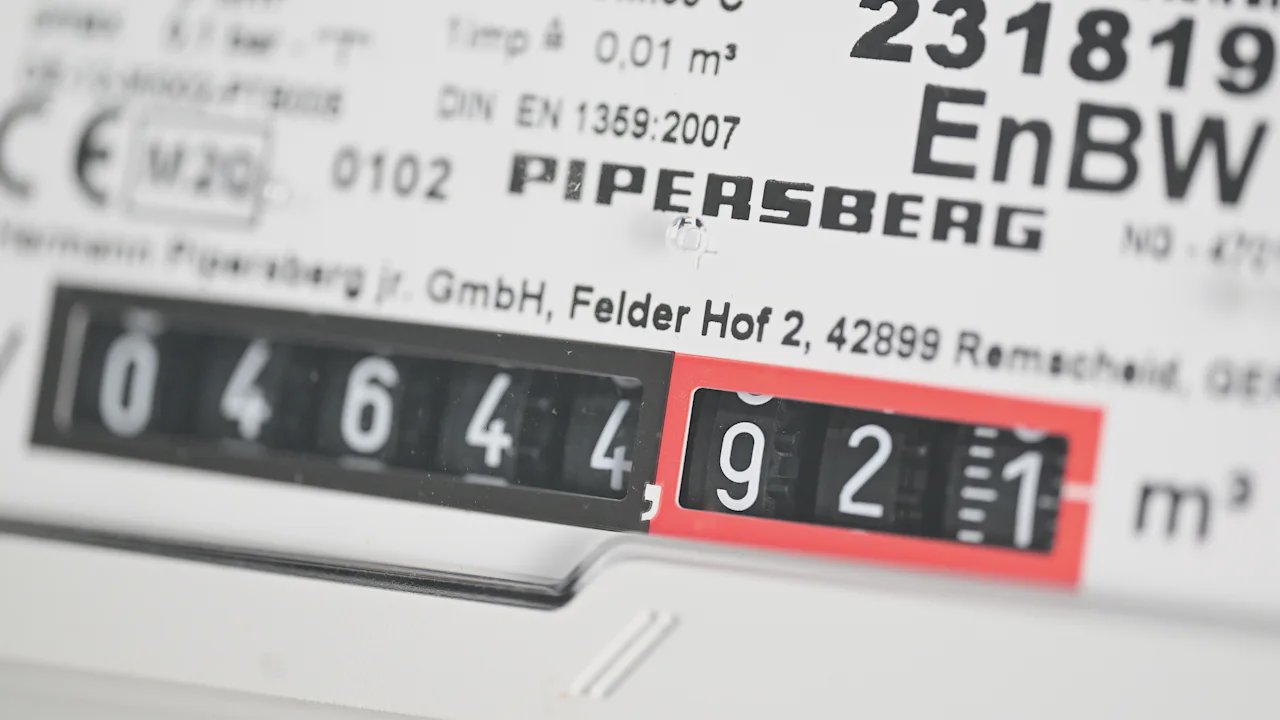
Why the Iran War Is Driving Up Gas Prices So Extremely
Iran is no small player in the energy market. Vast gas fields lie beneath its neighbouring countries, and many crucial pipelines run through the region. And these have now become targets. Ever since military actions have been extended to critical energy infrastructure, the flow has been severely disrupted. Sure, Germany doesn't get its gas directly from Tehran – but the global market is a small village. If a million cubic meters are missing somewhere, the big players snap up the alternatives, and prices shoot up. Traders and suppliers are already raising the alarm: Prices could double in the coming months if the situation isn't defused.
Experts are already calculating an increase of at least 35 percent – and that's just the beginning. The really critical part: While storage levels are quite good after the mild winter, by the time the next heating season arrives, every bit of that stored gas will have come at a high price. The alternative would be LNG from the US or Qatar, but that's not only more expensive but also logistically complex. The terminals in Wilhelmshaven or Brunsbüttel are operational, but they can't even come close to covering the demand.
What's Happening with the Gas Price Brake?
Remember this? The gas price brake was introduced to cushion the worst effects of the last crisis. It was supposed to protect us. But now, with the market going haywire again, policymakers are facing a dilemma: The brake was never designed for peaks like these. It caps a basic quota, but for everything above that, you pay the full price. And when the base price itself explodes, even the best cap offers only limited help. The debate is already heating up: Will the brake be extended? Will it be tightened? Honestly, I doubt that the current government – or whoever is in charge after the elections – will find a solution quickly enough to cushion the blow for every household.
Energy suppliers, in any case, have already announced significant price hikes towards autumn. Many consumers will then receive letters that will simply take their breath away. And unlike in 2022, people's savings are depleted. Inflation has left deep scars.
What Else Is Driving Up Prices?
It's not just the war alone. Several factors are now coinciding, creating a perfect storm:
- Destroyed Infrastructure: Direct attacks on Iranian pipelines and production facilities are causing millions of cubic meters of gas to be lost.
- Risk Premiums: Traders factor in risks – and they are high. Every new escalation sends prices soaring on the exchanges.
- Demand from Asia: China and India are heavily buying LNG, further tightening already scarce capacities.
- Weak Domestic Production: Norway and the Netherlands are supplying steadily, but they cannot compensate for the shortfall from the Middle East.
All of this adds up. Anyone who has to sign a new contract now is often paying double compared to last year. Even existing customers won't be spared – the basic suppliers will follow suit.
What Can You Do Now?
We're not ones to spread panic, but burying your head in the sand won't help. There are a few levers you can pull yourself:
First: Check your tariff. Many people are still on expensive basic service tariffs. Compare! Even though prices are high, there can be differences of several hundred euros per year. Second: Save energy wherever you can. Sounds trivial, but every degree you lower the room temperature saves real money. Consider turning down the heating at night or keeping rarely used rooms cool. Third: Budget proactively. Increase your monthly installment now, otherwise, you risk a hefty back payment. Better to pay an extra 50 euros each month than to end up with a hole in your pocket.
And of course, it's up to the politicians. The gas price brake urgently needs to be adapted to the new reality. Proposals are on the table: greater relief for low-income households, faster aid for businesses fighting for survival. Whether they'll come is written in the stars. Until then, it's time to roll up our sleeves and get through the winter – with the firm hope that reason will prevail in the end. And that the Iran war doesn't end up bombing all our wallets.