Winterthur City Buses on the Brink of Collapse: What the Looming Strike Means for the City
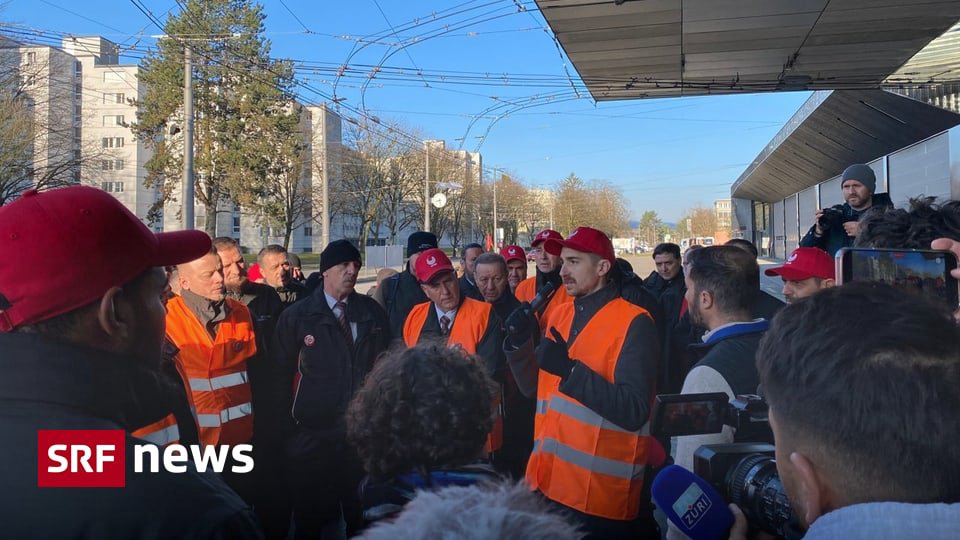
It's Friday morning, 6:30 AM, and the bus on route 2 in Winterthur stays in the depot. Not a familiar sight. Tensions have been simmering for weeks at Winterthur City Buses, and what began with heated words could escalate next week: a full-day strike is looming. This wouldn't just bring public transport to a standstill; it would noticeably slow the very pulse of the city.
From Warning Strike to Full Stop
Relations between the drivers and management are at an all-time low. The warning strike a few days ago already brought the system to a crawl, but now it's all or nothing. An experienced driver, who wished to remain anonymous, told me yesterday: "If nothing changes by the next round of negotiations, operations will stop completely." The unions have reached their breaking point – their demands for better working conditions have been ignored for too long.
On the other side is Stefan Fritschi, representing the employers. Off the record, he's reportedly said: "I don't have to sit here and listen to insults." A statement that perfectly reflects the entrenched positions. It's no longer just about pay increases or shift schedules; it's about respect and recognition for a job that often remains invisible – until it's not there.
What's at Stake
The Winterthur City Buses fleet carries tens of thousands of people daily: schoolchildren, commuters, senior citizens. A full-day strike wouldn't just cripple traffic; it would send economic shockwaves through the region. Particularly affected would be:
- City centre retail: If staff can't get to work on time, shutters stay down.
- Restaurants and pubs: Short-staffed without service crew who rely on the bus – the lunchtime trade suffers.
- Event organisers: The "Discover Winterthur" exhibition could lose visitors who can't get there.
- Suppliers: Small businesses whose drivers use the bus will have to postpone deliveries.
These aren't hypothetical scenarios – I've spoken with dozens of people affected over the last few days. The situation is real, and nerves are frayed.
Systemic Failure or Isolated Incident?
Pointing fingers solely at the parties in conflict misses the bigger picture. Winterthur City Buses is a prime example of a nationwide issue in Switzerland: pressure on public transport is mounting while resources are shrinking. Drivers are desperately needed, workloads are often excessive, and appreciation is lacking. At the same time, cities demand more frequent services, cleaner drives, and lower costs. It just doesn't add up.
I remember conversations with transport operators in Zurich and Bern – the same story everywhere. But Winterthur is special: the largest city in the canton of Zurich meets a densely populated catchment area, and expectations for punctuality are enormous. If a strike goes ahead now, it could send a signal – to other cities grappling with similar conflicts.
Looking Ahead
One thing is clear: without a swift agreement, Winterthur City Buses will become a magnifying glass for the crisis in the mobility transition. Politicians are called upon, not just to mediate, but to find structural solutions. Perhaps a taskforce for public transport is needed to rethink working conditions and funding. Or an image campaign that portrays drivers not just as service providers, but as the backbone of the city.
Until then, it's a case of hold your breath and hope that common sense prevails in Winterthur. But after all the conversations in recent days, I'm not sure if common sense still has a seat on the bus – or if it got off long ago.